Human quality of life

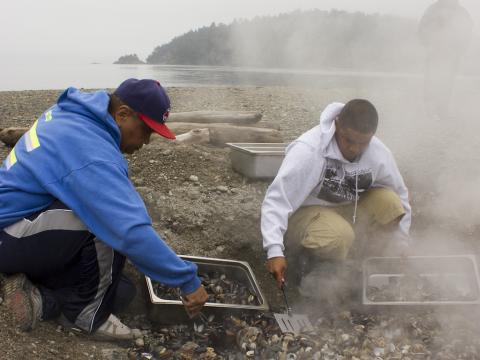
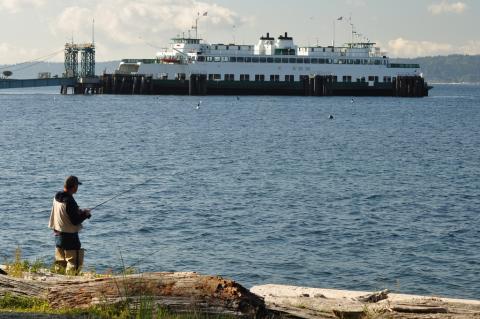
Human quality of life is sometimes described using the term human wellbeing. Human wellbeing (HWB) is multi-faceted and can be enhanced, or negatively affected, by our daily experiences, such as the quality of our work life and personal relationships, our engagement in physical activity and adherence to a healthy diet, and opportunities to participate in cultural activities. Many facets of wellbeing are directly related to the health of the natural environment such as the ability to release stress in a peaceful forest or a thriving local economy derived from sustainable shellfish harvesting. The status of our wellbeing can influence the way we make decisions that affect the environment and the status of those resources, in turn, can affect our wellbeing. In many cases, this perspective is left out of ecosystem recovery. Because of a growing understanding of the relationship between HWB and the status of natural resources, planning for and monitoring human wellbeing as a component of ecosystem recovery is a growing trend. Within the Puget Sound specifically, the Puget Sound Partnership has adopted a series of quality of life indicators.

Sources:

Developing Human Wellbeing Indicators for the Hood Canal Watershed, a report by Kelly Biedenweg, Ph.D., Stanford University and Puget Sound Institute and Adi Hanein, UW School of Marine and Environmental Affairs (2013).

Related Articles

The state of Washington estimates that the Puget Sound area will grow by more than 1.5 million residents within the next two decades. That is expected to have profound effects on the environment as more and more people move to undeveloped areas. The race is on to protect this critical rural habitat, but planners say what happens in the cities may be just as important.

The Puget Sound Ecosystem Monitoring Program (PSEMP) is an independent program established by state and federal statute to monitor environmental conditions in Puget Sound. 

Social scientists around the Salish Sea are predicting the effects of environmental change through the lens of culturally important foods.

A 2016 paper in the journal Society and Natural Resources looks at the creation of human well-being indicators across three regions in the Puget Sound watershed. The author suggests that overarching domains for these indictors might be applied more broadly in other environmental contexts. 

This content initiates a description of the social dimensions of the Puget Sound system with a short list of facts about population growth trends, how humans interact with and depend on the Puget Sound ecosystem for their wellbeing (in the broadest sense), and the large-scale policies and individual human activities that have the greatest potential impact on the Puget Sound ecosystem. 

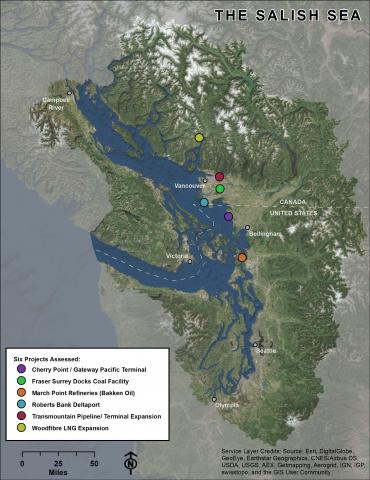
A 2015 paper in the journal PLoS ONE identifies ongoing and proposed energy-related development projects that will increase marine vessel traffic in the Salish Sea. It evaluates the threats each project poses to natural resources important to Coast Salish first nations and tribes.