Human quality of life

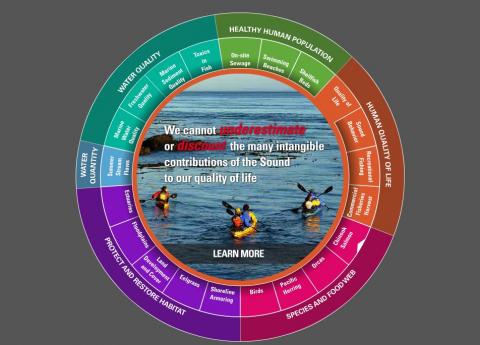
Human quality of life is sometimes described using the term human wellbeing. Human wellbeing (HWB) is multi-faceted and can be enhanced, or negatively affected, by our daily experiences, such as the quality of our work life and personal relationships, our engagement in physical activity and adherence to a healthy diet, and opportunities to participate in cultural activities. Many facets of wellbeing are directly related to the health of the natural environment such as the ability to release stress in a peaceful forest or a thriving local economy derived from sustainable shellfish harvesting. The status of our wellbeing can influence the way we make decisions that affect the environment and the status of those resources, in turn, can affect our wellbeing. In many cases, this perspective is left out of ecosystem recovery. Because of a growing understanding of the relationship between HWB and the status of natural resources, planning for and monitoring human wellbeing as a component of ecosystem recovery is a growing trend. Within the Puget Sound specifically, the Puget Sound Partnership has adopted a series of quality of life indicators.

Sources:

Developing Human Wellbeing Indicators for the Hood Canal Watershed, a report by Kelly Biedenweg, Ph.D., Stanford University and Puget Sound Institute and Adi Hanein, UW School of Marine and Environmental Affairs (2013).

Related Articles

This paper appears in the July 2014 issue of the journal Coastal Management, which focuses on the role of social sciences in Puget Sound ecosystem recovery.

The July 2014 issue of the journal Coastal Management focuses on the role of social sciences in Puget Sound ecosystem recovery. Articles range from political ecology to the development of human wellbeing indicators and directly address current Puget Sound restoration efforts. Guest editors include Encyclopedia of Puget Sound topic editor Kelly Biedenweg and Puget Sound Science Panel co-chair Katharine Wellman. The journal is co-edited by Patrick Christie of our editorial board. Extended abstracts of the articles will be available on these pages in coming weeks.

Marine Protected Areas (MPAs) have been present in Puget Sound since the early 1900s, although most were established after the 1960s. By 1998 there were at least 102 intertidal and subtidal protected areas in Puget Sound, created and managed by at least 12 different agencies or organizations at the local, county, State and Federal level.

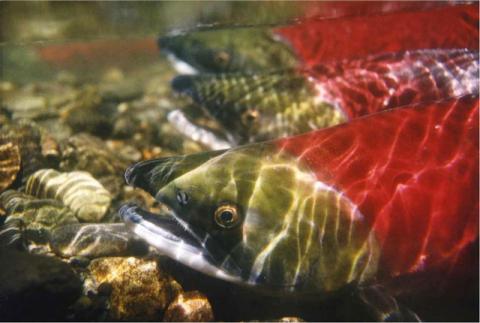
A 2014 report describes a study of socio-cultural values associated with blueback salmon in the Quinault Indian Nation. The blueback salmon (Oncorhynchus nerka) is a unique strain of sockeye that returns primarily to the Quinault river system.

A report by the University of Washington Puget Sound Institute describes a 2013 workshop to integrate the social sciences into Puget Sound ecosystem monitoring. Social scientists will focus in part on several of the Puget Sound Partnership's designated ecosystem indicators, including categories such as Healthy Human Population and Human Quality of Life.

Every two years the Puget Sound Partnership is required to assess the status of scientific research relating to the recovery of Puget Sound, in a document knows as the Biennial Science Work Plan (BSWP). Among other tasks, this entails making an inventory of all ongoing research projects in the current biennium (2011-2013). We are posting this (draft) inventory of recovery-relevant research projects here to make the information generally available.