

All Articles
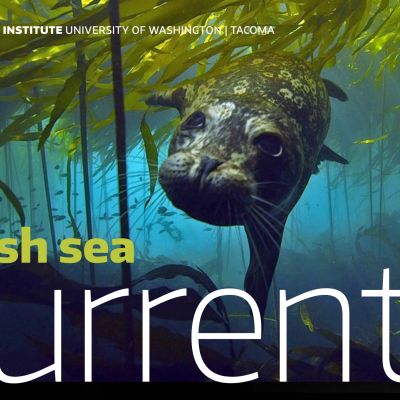
Salish Sea Currents yearly report 2020
We have published a yearly round-up of stories from our magazine Salish Sea Currents. The 2020 edition focuses on the impact of climate change on the Salish Sea and includes a special section on the effect of global warming on infectious diseases in the ecosystem.
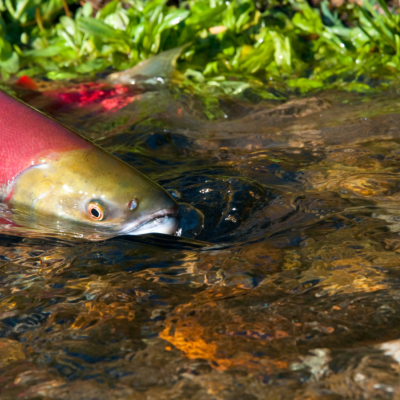
Disease may play significant role in salmon declines
Few environment problems in the Salish Sea have been studied more than the steep decline in salmon populations. But one potential contributor to these declines has gained less attention. Scientists say infectious disease may play a wider role than previously understood.
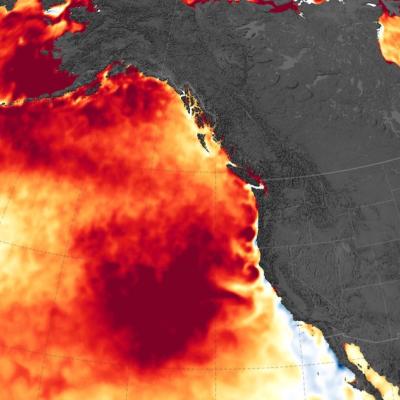
'The blob' revisited: Marine heat waves and the Salish Sea
Years after the appearance of the devastating marine heat wave known as "the blob," scientists are still working to understand how it has affected the Salish Sea. In some ways, they say, it is like the blob never left.

Whose Puget Sound?: Examining place attachment, residency, and stewardship in the Puget Sound region
A 2020 article in the journal Geographical Review examines the current status of place attachment among Puget Sound residents in connection with environmental stewardship behaviors. The authors challenge often-touted negative perceptions of the region’s newcomers and conclude that residents, new and old, share a strong positive place attachment and sense of pro-environmental stewardship.
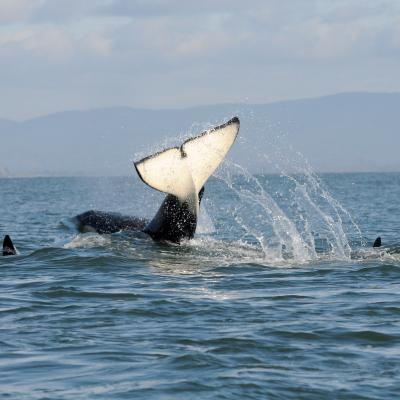
Orcas without borders
The Salish Sea’s endangered southern resident orcas travel freely across the U.S.-Canada border, unconstrained by political boundaries. But while they don’t require passports, they can still face differing policies and conditions as they go back and forth between nations. We look at some of the ways that the United States and Canada compare in their efforts to protect the whales.
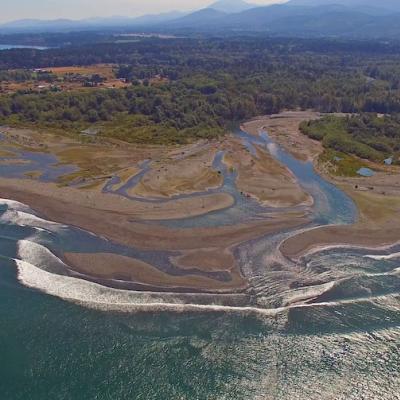
Seawall removal reaps benefits of Elwha recovery
The Elwha River has become famous as the site of the largest dam removal project in U.S. history. Several years ago, scientists began knocking down another barrier about a mile away from the river's delta. They removed a large seawall along the Salish Sea shoreline and discovered that sediment from the dam removal had huge benefits for their project.
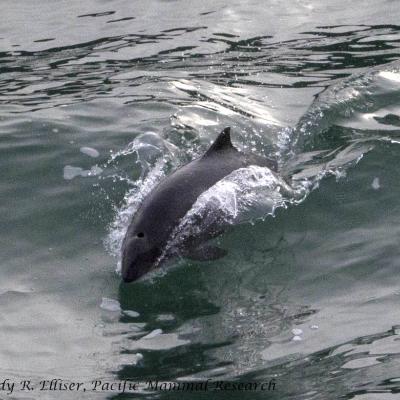
Prey-related asphyxiation in harbor porpoises
A paper published in the journal Oceans in 2020 describes cases of prey-related asphyxiation in harbor porpoises along the U.S. West Coast. The findings suggest that a majority of cases involve non-native American shad and that asphyxiation tends to occur more with reproductively active females than other age and sex classes.
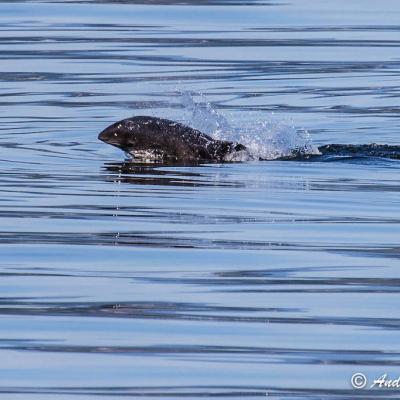
Fungal disease a rising concern for local marine mammals
A 2020 paper published in Frontiers in Marine Science describes details of the fungal disease Mucormycosis which has caused the death of harbor porpoises, harbor seals and one orca in Puget Sound in recent years. The authors discuss the implications for local marine mammals, specifically the endangered southern resident killer whale population.
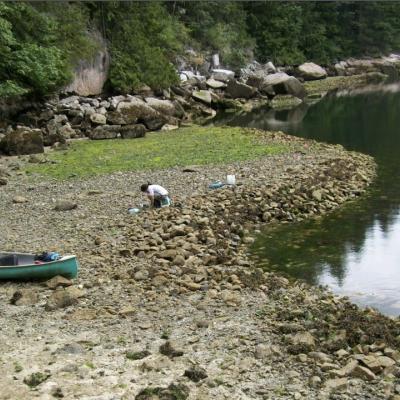
How to plan a clam garden
The revival of an Indigenous aquaculture practice has come to the southern Salish Sea. Clam gardens could help First Nations in British Columbia and Washington state address issues of climate change and food sustainability.
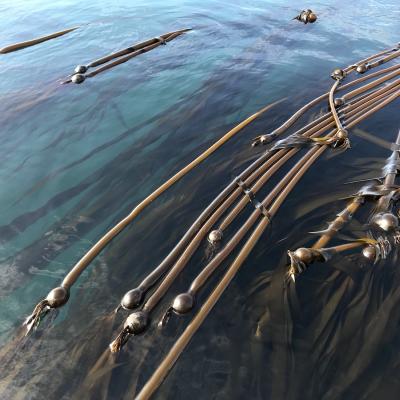
A seed bank for the sea
Identifying kelp stocks that are tolerant of warmer waters could help the Salish Sea’s iconic underwater forests survive climate change.