

All Articles
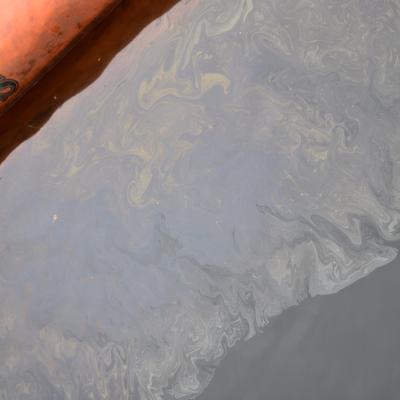
Risk of a major oil spill generates action in Olympia
Bills in the state legislature target oil spill threats to Puget Sound and its endangered killer whales.
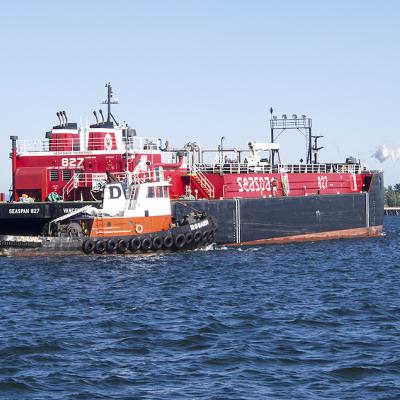
Oil spill risks by the numbers
An EPA-funded study of oil spill risks in Puget Sound forms the basis of new legislation to regulate vessel traffic in the region. We break down some of the numbers from the study and look at where the risks may be greatest.
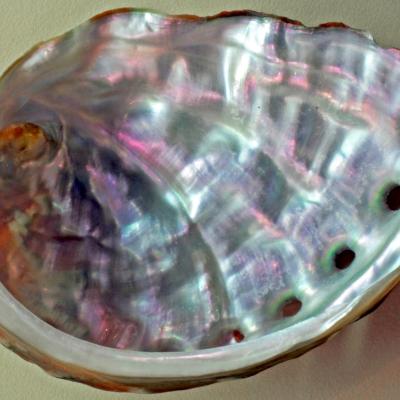
The survival of hatchery‐origin pinto abalone Haliotis kamtschatkana released into Washington waters
In Washington State, the pinto abalone (Haliotis kamtschatkana) has declined by 97 percent since 1992 and is unlikely to recover without intervention. A captive rearing and restocking pilot study shows promise for saving wild populations from local extinction.
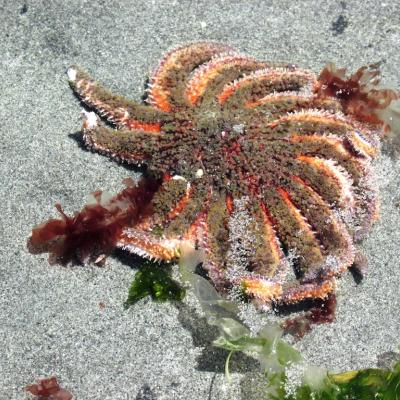
Disease epidemic and a marine heat wave are associated with the continental-scale collapse of a pivotal predator (Pycnopodia helianthoides)
The sunflower sea star (Pycnopodia helianthoides) is highly susceptible to sea star wasting disease. The authors of a 2019 paper published in Science Advances document the rapid, widespread decline of sunflower stars and discuss the ecological implications of losing this important subtidal predator species.
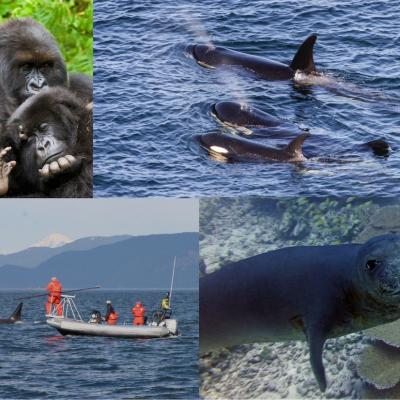
The orca docs: Can medical interventions help?
This three-part series explores opportunities and challenges of using medical interventions to save Puget Sound's southern resident orcas from extinction. Part 1 looks at how scientists might treat endangered southern resident orcas that face starvation and risks of disease; Part 2 considers how veterinarians have intervened with other animals in the wild, and how this might apply to orcas in
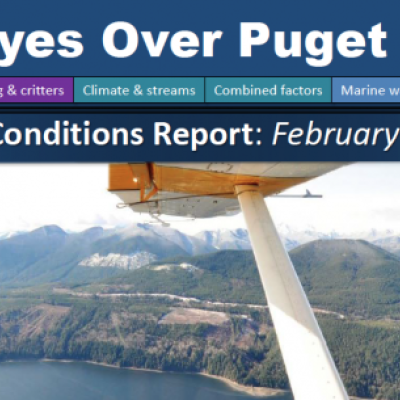
Eyes Over Puget Sound: Surface Conditions Report - February 21, 2019
Although fall and winter were warm, February brought cold snowy weather and low river flows. Despite colder air temperatures, the productive season has already started in Hood Canal and Holmes Harbor. Puget Sound waters were warmer than expected through January, and the warmest waters were in Hood Canal, possibly creating a thermal refuge for cold-sensitive species such as anchovies. We saw lots
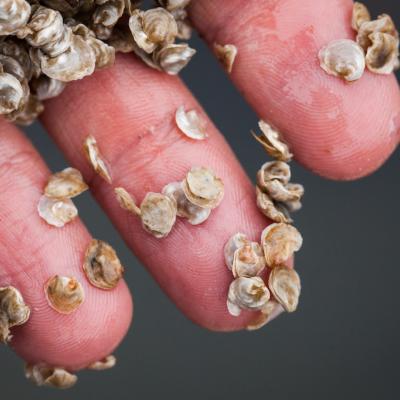
Return of a native: Olympia oysters are making a comeback
Puget Sound’s only native oysters were nearly wiped out in the 19th century from overharvesting. Now a network of scientists and advocates is working to restore them to their historical and cultural prominence.
The whales in our waters: The economic contribution of whale watching in San Juan County
A 2019 report from the non-profit group Earth Economics look at revenues and other economic activity resulting from whale watching in San Juan County, Washington.
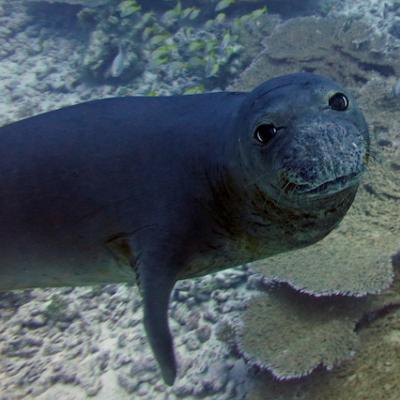
Vaccines now used to reduce the risk of extinction in Hawaiian monk seals
For critically endangered animal populations, experts worry that a highly infectious disease could be the final nail in the coffin, forcing the species into extinction. That’s one reason why federal authorities approved the development and deployment of a new vaccine to ward off the deadly morbillivirus among Hawaiian monk seals. The vaccination program raises the possibility of using vaccines to
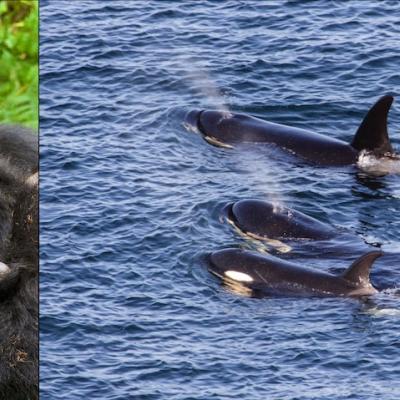
Wildlife rescues may inform orca strategies
As the plight of Puget Sound’s southern resident orcas becomes increasingly desperate, with the population dropping from 98 to 75 in just 22 years, scientists are weighing the options of medical intervention. In part two of our two-part series The Orca Docs we look at how veterinarians have intervened with other animals in the wild, and how this might apply to the situation here in Puget Sound. [P