

All Articles
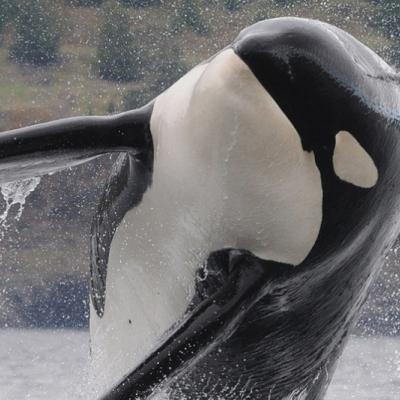
Sightings of southern resident killer whales in the Salish Sea 1976−2014: the importance of a long-term opportunistic dataset
A 2018 paper in the journal Endangered Species Research analyzes southern resident killer whale sightings in the Salish Sea between 1976 and 2014.
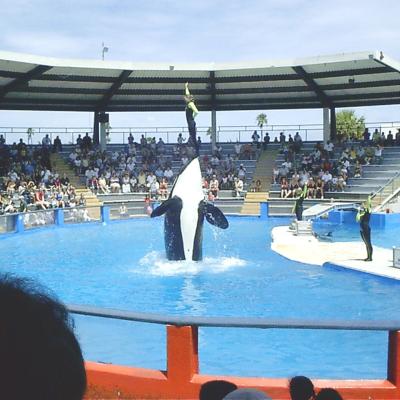
Orca captures for aquariums
Between 1962 and 1973, at least 263 killer whales were caught or killed in the waters of British Columbia and Washington (Bigg and Wolman 1975). Twelve of these died during capture and fifty were kept for display in aquariums. The remainder of the captured animals escaped or were released. Twenty-seven of the whales kept as captive were taken from the population now designated as endangered
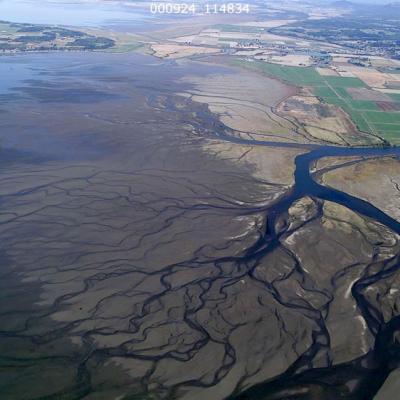
The mosaic of deltas and other estuarine ecosystems in Puget Sound
The diversity and complexity of estuarine ecosystems is vital to the overall health of Puget Sound. This summary fact sheet focuses on the current state of these ecosystems in Puget Sound—large river deltas, embayments, their interconnecting beaches, and rocky coasts—and the historical changes that have occurred since the development of the Puget Sound coastline. Additional emphasis is placed on
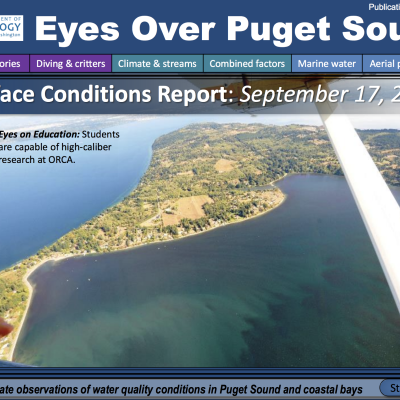
Eyes Over Puget Sound: Surface Conditions Report - September 17, 2018
Air temperatures have remained high with precipitation and river flows below normal, extending the summer’s unusual conditions. Water temperatures were warmer in August, perhaps too warm for bull kelp and some salmon species in South Sound. In contrast, Hood Canal, North Sound, and the San Juan Islands provide optimal growth temperatures for herring and salmon. Many terminal inlets of Puget Sound
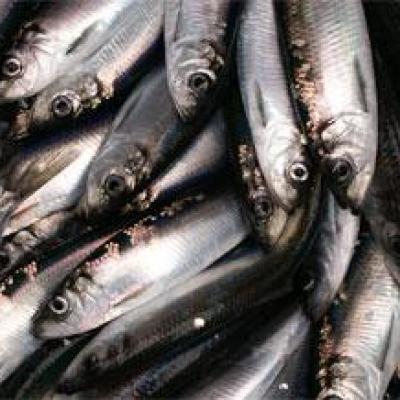
Pacific herring distribution in Puget Sound
Pacific herring are a pelagic fish species found from northern Baja California to northern Honshu Island, Japan. They are found throughout the Puget Sound basin and are a mix of “resident” and “migratory” stocks.
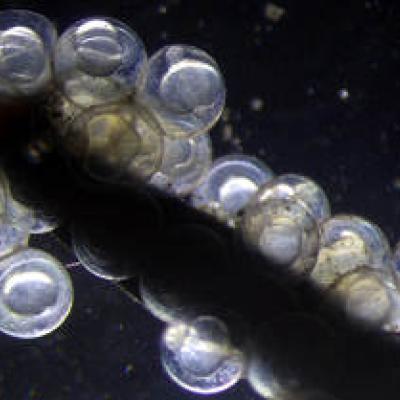
Climate change and ocean acidification may affect herring development
New research shows that warmer and more acidic oceans could lead to shorter embryos and higher respiration in Pacific herring.
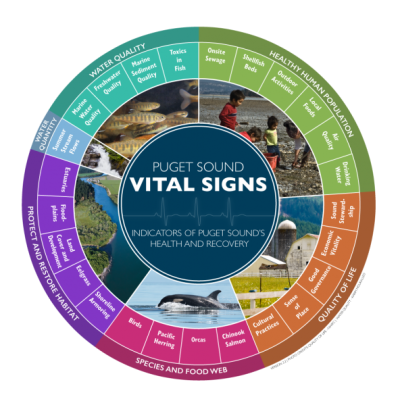
Puget Sound Vital Signs
The Puget Sound Vital Signs are measures of ecosystem health that guide the assessment of progress toward Puget Sound recovery goals. They were adopted by the Puget Sound Partnership at the state of Washington to help guide local, state and federal ecosystem recovery efforts. Each of the six Puget Sound recovery goals are expressed with one or more Vital Signs. Vital Signs represent an important
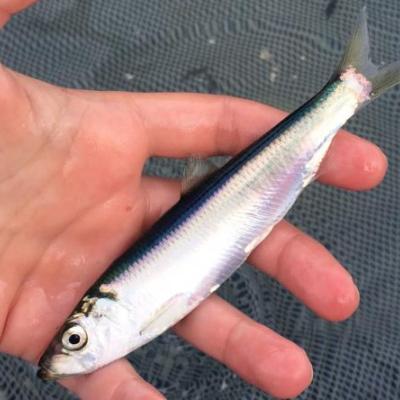
Managing the Salish Sea’s ‘Herring 401 K’
Scientists argue that herring managers should take a tip from stock market investors and diversify the population’s “portfolio.”
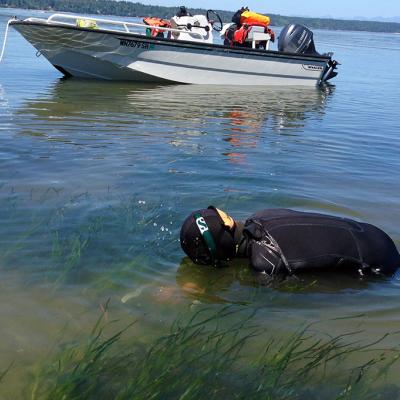
Studies show challenges for eelgrass restoration
As critically important eelgrass declines in some parts of Puget Sound, scientists are trying to plant more of it. The health of the ecosystem may be riding on their efforts, but what they are finding is something that farmers have known for thousands of years: Getting something to grow may be harder than you think.
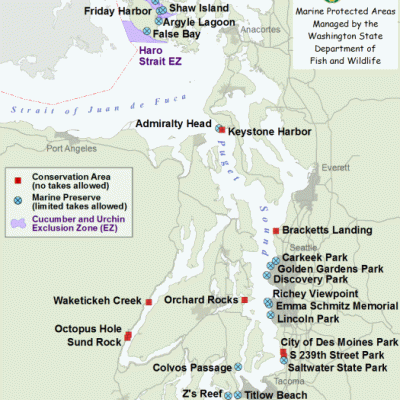
Policy pivot in Puget Sound: Lessons learned from marine protected areas and tribally-led estuarine restoration
A 2018 paper in the journal Ocean and Coastal Management examines and compares planning approaches used to develop marine protected areas and estuary restoration projects in Puget Sound. It finds that management policies can benefit from increasingly collaborative planning with a focus on multiple benefits such as flood control, salmon recovery, recreation and resilience to climate change.