

All Articles
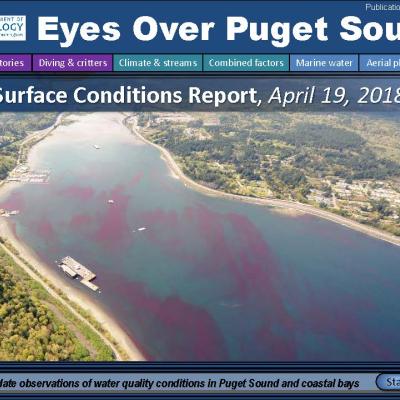
Eyes Over Puget Sound: Surface Conditions Report – April 19, 2018
By March, regional impacts of large-scale climate patterns normalized, and air temperatures, precipitation, and coastal downwelling were below normal. April brought abundant rain and rivers responded. With La Niña returning to ENSO-neutral conditions, will the favorable snowpack maintain beneficial streamflows through summer? In 2018, water conditions in Puget Sound are mostly expected, except in
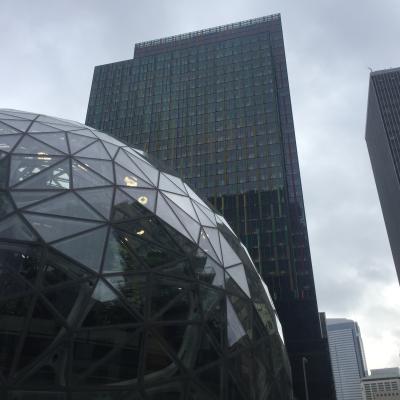
Panel explores digital tech’s role in Salish Sea recovery
Bridging the gap between nature and technology might be a challenge for the Puget Sound region, but tech leaders could play an important role in protecting and restoring the ecosystem, according to a panel of experts at last week’s Salish Sea Ecosystem Conference in Seattle.
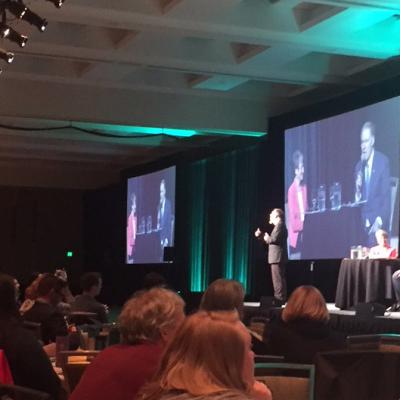
Future of orcas takes center stage at Salish Sea conference
Gov. Jay Inslee joined former Interior Secretary Sally Jewell to open three days of science talks at the Salish Sea Ecosystem Conference in Seattle. The conference includes about 700 scientific presentations on topics ranging from orcas to habitat restoration, from climate change to toxic chemicals.
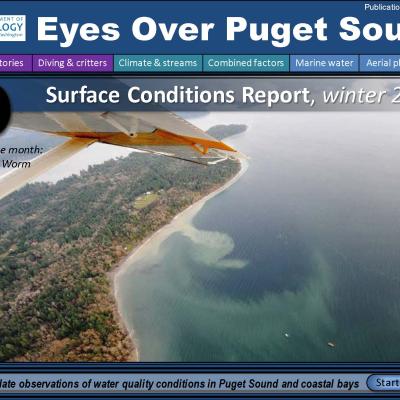
Eyes Over Puget Sound: Surface Conditions Report – Winter 2018
Large-scale climate patterns and local weather patterns are returning to more normal conditions. La Niña helped build a favorable snowpack, projected to persist well into spring due to cooler weather. As a consequence, stream flows are largely normal. In Puget Sound, we see again normal water conditions and observe early spring blooms in Central Sound, northern Hood Canal, and Whidbey Basin
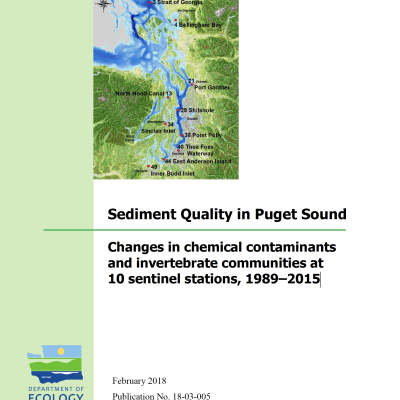
Sediment Quality in Puget Sound: Changes in chemical contaminants and invertebrate communities at 10 sentinel stations, 1989–2015
A 2018 report from the Washington State Department of Ecology presents results from 27 years of sampling sediments and benthic invertebrates at 10 long-term stations throughout the greater Puget Sound area every year from 1989 through 2015.
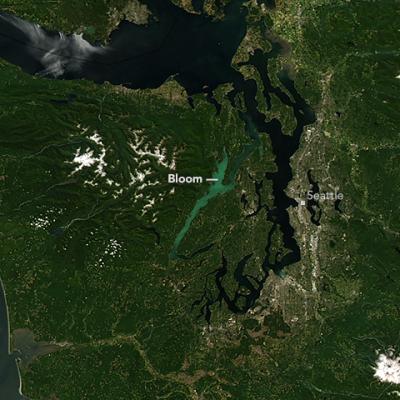
Does Puget Sound need a diet? Concerns grow over nutrients
As the region's population grows, scientists say we can expect to see increasing amounts of nitrogen and other elements flowing into Puget Sound. Known as “nutrients” these elements are naturally occurring and even necessary for life, but officials worry that nutrients from wastewater and other human sources are tipping the balance. That could mean big problems for fish and other marine life
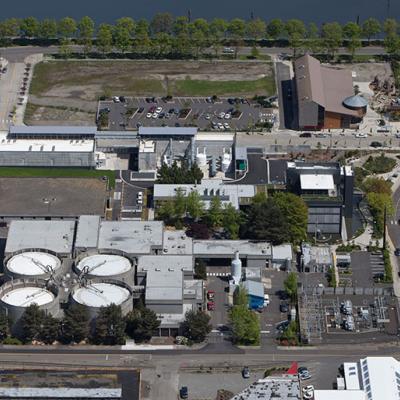
Sewage treatment plant in Olympia a leader in nitrogen removal
A regional sewage-treatment system in Thurston County has helped contain low-oxygen problems in Budd Inlet as the population continues to grow. The system cleans up some of the effluent for replenishing groundwater supplies.
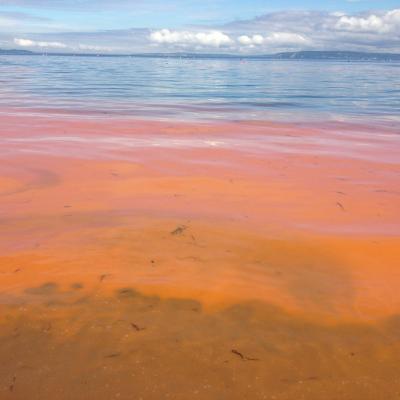
Dead plankton leave clues to a food-web mystery
High amounts of elements such as nitrogen can cause blooms of phytoplankton that sometimes trigger perturbations throughout the food web. This occurs most often in the spring and summer after the long, dark, cloudy days of winter begin to fade.
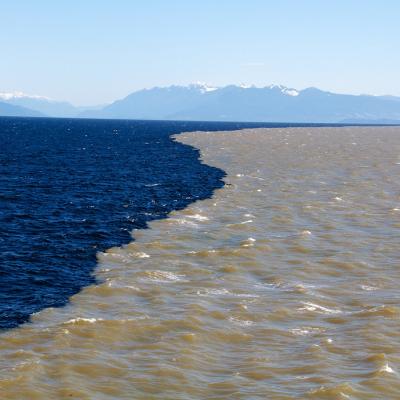
Puget Sound circulation triggers low-oxygen conditions at different times and in different places
The amount of oxygen in the Salish Sea is dependent on water circulation which distributes chemical elements such as nitrogen through the system.
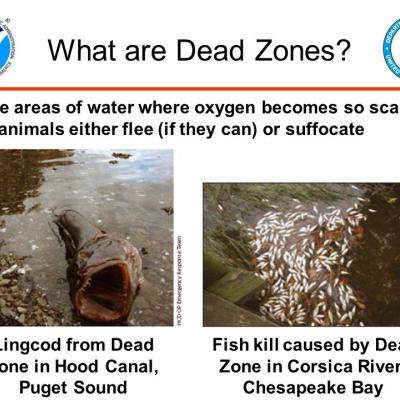
How the state assesses low oxygen in Puget Sound
Under the federal Clean Water Act, states are required to assess the quality of their surface waters and compile a list of polluted water bodies. The law mandates cleanup plans to address pollution and other water-quality problems. This article describes how this process works in Washington state for dissolved oxygen.