All Articles
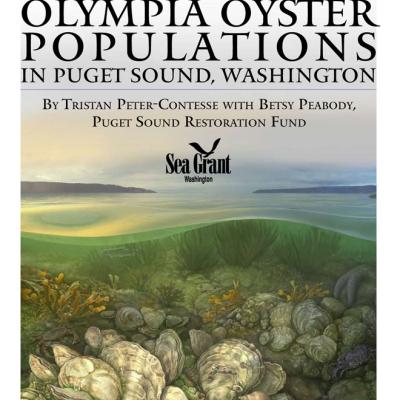
Reestablishing Olympia oyster populations in Puget Sound, Washington
A 2005 report from the Washington Sea Grant Program describing the history and current state of native Olympia oysters including their ecology, history with human interactions, prefered habitat, and reestablishment efforts in the Puget Sound region.
A role for decision science in Puget Sound recovery
The field of decision analysis studies and develops rigorous and practical methods for improving how we make decisions. Over the past three years, the Puget Sound Partnership has invested in decision science expertise in its ongoing role of supporting effective Puget Sound recovery. This paper describes some of these efforts and analyzes several decision support ideals.
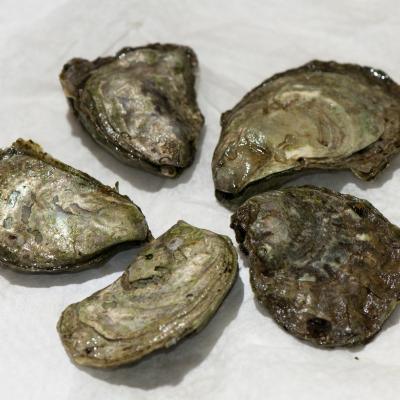
Gifts from the sea: shellfish as an ecosystem service
The region's famed mollusks provide more than just money and jobs. They offer what are called ecosystem services—a wide variety of benefits that humans derive from an ecosystem.
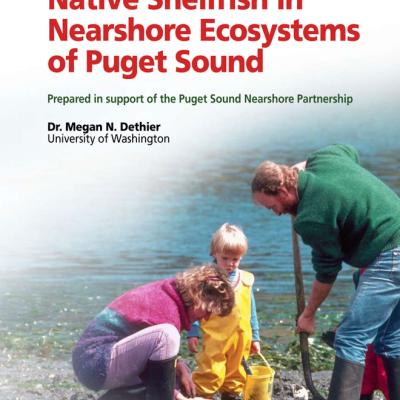
Native shellfish in nearshore ecosystems of Puget Sound
This 2006 technical report for the Puget Sound Nearshore Partnership describes how shellfish have high ecological, economical, cultural, recreational value, however human activity is threatening their existence by altering their native habitat with changes in land use, shoreline modifications, stormwater, sewage and industrial discharge.
Health of the Salish Sea as measured using transboundary ecosystem indicators
A December 2014 paper in the journal Aquatic Ecosystem Health & Management describes a project to identify transboundary ecosystem indicators for the Salish Sea.
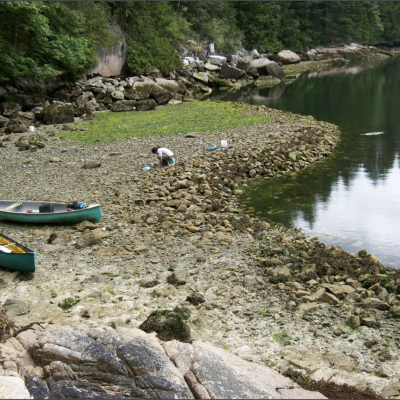
Ancient clam gardens of the Northwest Coast of North America
Northwest Coast First Peoples made clam garden terraces to expand ideal clam habitat at tidal heights that provided optimal conditions for clam growth and survival, therefore enhancing food production and increasing food security.
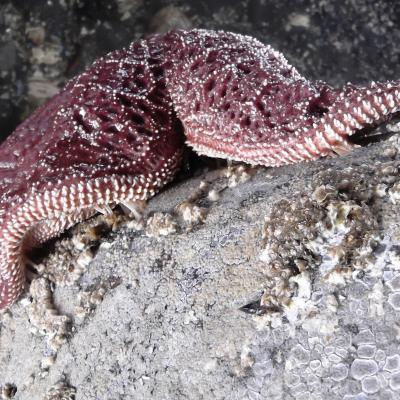
Virus associated with sea-star wasting disease
A virus is the likely cause of sea-star die-offs on the Northeast Pacific Coast and in Puget Sound, according to a November 2014 paper published in the Proceedings of the National Academy of Sciences.
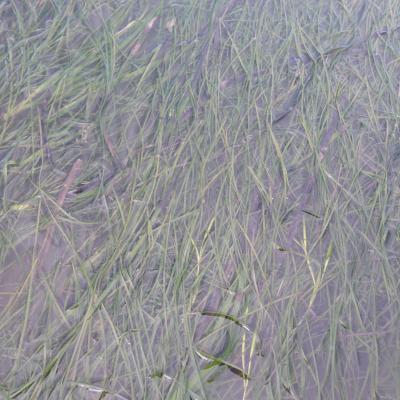
Ecological effect of a nonnative seagrass spreading in the Northeast Pacific: A review of Zostera japonica
A 2014 literature review in the journal Ocean & Coastal Management suggests negative effects of nonnative eelgrass on the native species.
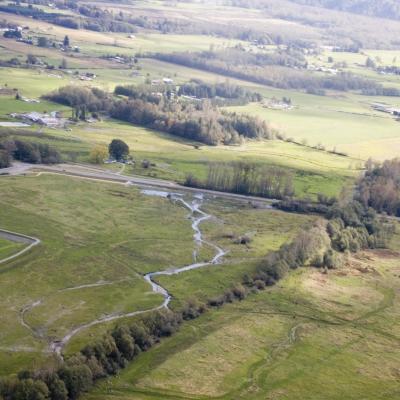
Nature inspires new approach to flood control
Scientists are rethinking floodplain management in Puget Sound. Can we have our farms and salmon too?