

All Articles
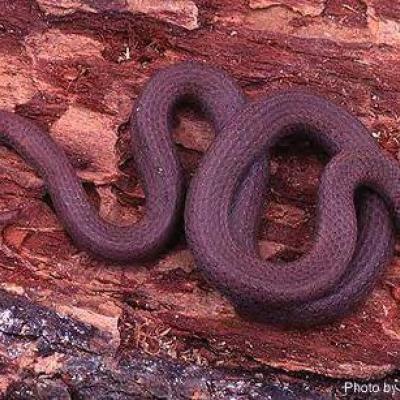
Common Sharp-tailed Snake (Contia tenuis)
This article was originally published by the Washington Department of Fish and Wildlife as part of its annual report Threatened and Endangered Wildlife in Washington.
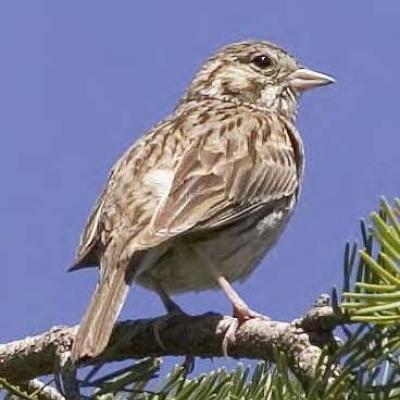
Oregon Vesper Sparrow (Pooecetes gramineus affinis)
This article was originally published by the Washington Department of Fish and Wildlife as part of its annual report Threatened and Endangered Wildlife in Washington.
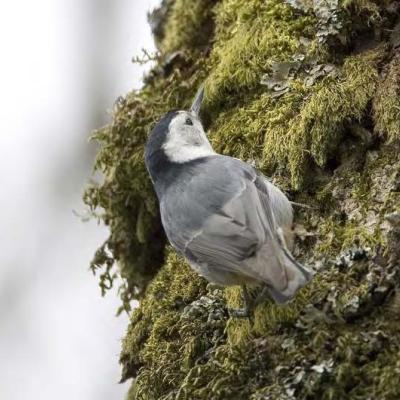
Slender-billed White-breasted Nuthatch (Sitta carolinensis aculeata)
This article was originally published by the Washington Department of Fish and Wildlife as part of its annual report Threatened and Endangered Wildlife in Washington.
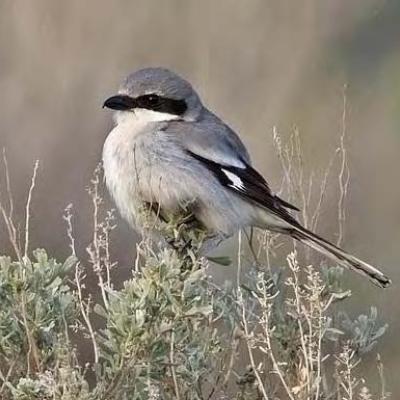
Loggerhead Shrike (Lanius ludovicianus)
This article was originally published by the Washington Department of Fish and Wildlife as part of its annual report Threatened and Endangered Wildlife in Washington.
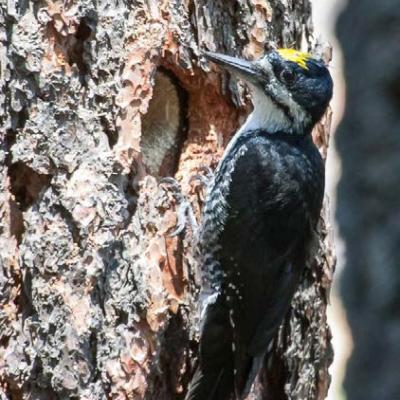
Black-backed Woodpecker (Picoides arcticus)
This article was originally published by the Washington Department of Fish and Wildlife as part of its annual report Threatened and Endangered Wildlife in Washington.
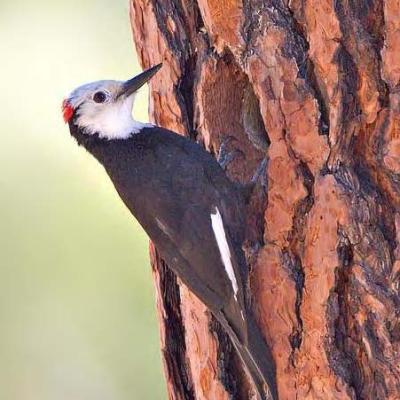
White-headed Woodpecker (Picoides albolarvatus)
This article was originally published by the Washington Department of Fish and Wildlife as part of its annual report Threatened and Endangered Wildlife in Washington.
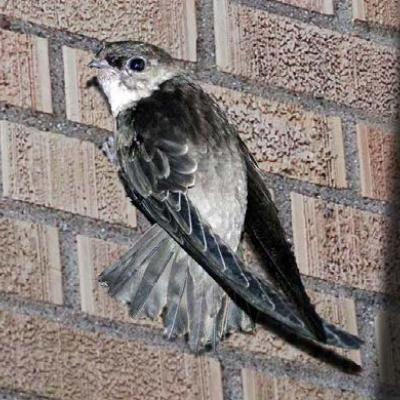
Vaux's Swift (Chaetura vauxi)
This article was originally published by the Washington Department of Fish and Wildlife as part of its annual report Threatened and Endangered Wildlife in Washington.

Flammulated Owl (Otus flammeolus)
This article was originally published by the Washington Department of Fish and Wildlife as part of its annual report Threatened and Endangered Wildlife in Washington.

Yellow-billed Cuckoo (Coccyzus americanus)
This article was originally published by the Washington Department of Fish and Wildlife as part of its annual report Threatened and Endangered Wildlife in Washington.

Bald Eagle (Haliaeetus leucocephalus)
This article was originally published by the Washington Department of Fish and Wildlife as part of its annual report Threatened and Endangered Wildlife in Washington.