

All Articles
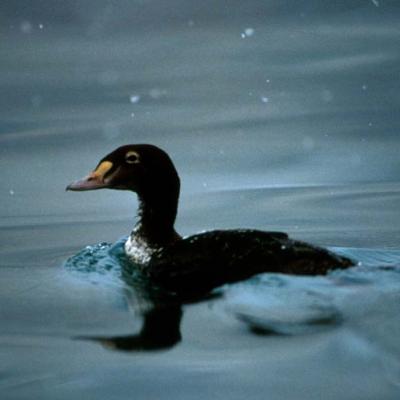
Marine and terrestrial bird indicators for Puget Sound
A December 2013 report identifies marine and terrestrial bird species for use as indicators within the Puget Sound Partnership's "Vital Signs" for ecosystem health.
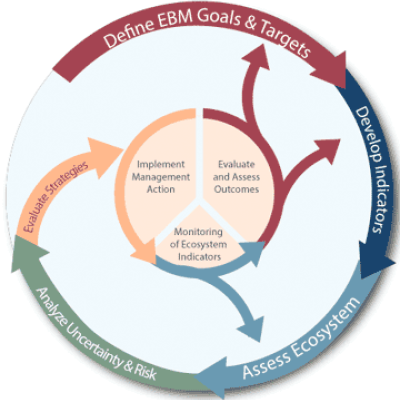
Ecological assessments in the Salish Sea
Ecological assessments (sometimes referred to as "conservation assessments") typically identify and evaluate the ecological attributes of an ecosystem. There is no single type of ecological assessment, but the following list includes an informal inventory of related efforts in the Salish Sea. This list does not include Ecological or Environmental Impact Assessments, which are targeted to specific
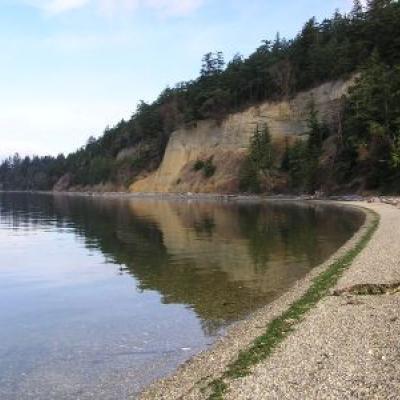
Lessons learned: Island Local integrating pilot process for selecting near term actions for the 2014 Action Agenda.
This report discusses lessons learned from the task of choosing near term actions (NTAs), activities and initiatives for achieving recovery targets for Puget Sound Vital Sign indicators. It focuses on efforts by Local Integrating Organizations in Island County, including Whidbey and Camano Islands.
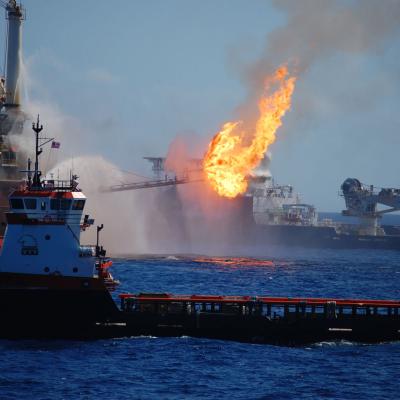
Making science useful in complex political and legal arenas: A case for frontloading science in anticipation of environmental changes to support natural resource laws and policies
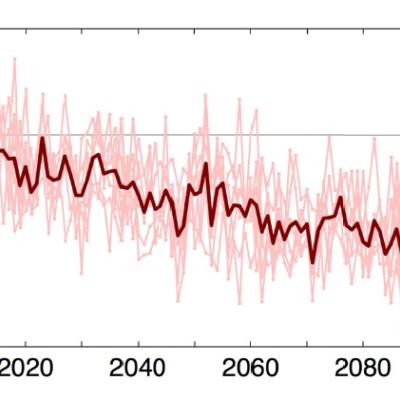
Climate change impacts and adaptations in Washington State: Technical summaries for decision makers
A December 2013 report by the University of Washington Climate Impacts Group projects wide reaching change for the Puget Sound ecosystem and the Pacific Northwest. Lead author: Encyclopedia of Puget Sound climate change topic editor Amy Snover.
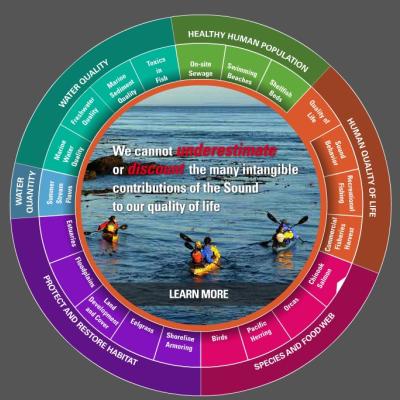
Social science and monitoring needs for Puget Sound recovery
A report by the University of Washington Puget Sound Institute describes a 2013 workshop to integrate the social sciences into Puget Sound ecosystem monitoring. Social scientists will focus in part on several of the Puget Sound Partnership's designated ecosystem indicators, including categories such as Healthy Human Population and Human Quality of Life.
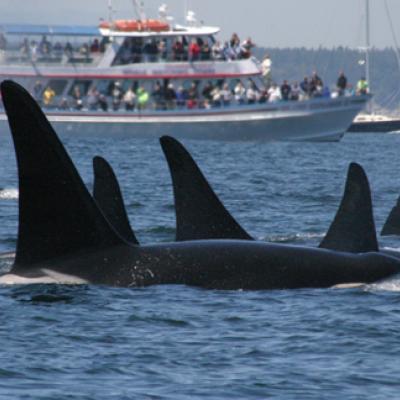
NOAA's draft guidance for assessing the effects of anthropogenic sounds on marine mammals
In December 2013 NOAA released what it classifies as a "Highly Influential Scientific Assessment" of the effects of anthropogenic sound on marine mammals. The comment period on the draft assessment extends until March 13, 2014.
Paper: Choosing and using climate-change scenarios for ecological-impact assessments and conservation decisions
This article appeared in the December 2013 issue of the journal Conservation Biology and addresses some of the challenges related to choosing and using scenarios of climate change for ecosystem-based assessments. Lead author: Encyclopedia of Puget Sound climate change topic editor Amy Snover.
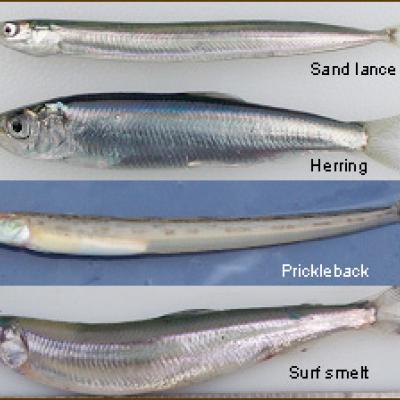
Study panel on ecosystem-based management of forage fish in Puget Sound
Forage fish represent a critical link in the Puget Sound food web and help to sustain key species like salmon, marine mammals and sea birds. But the region’s forage fish may be vulnerable on a variety of fronts, according to a new study panel report from the University of Washington Puget Sound Institute. Download the panel's summary and proposed research plan.
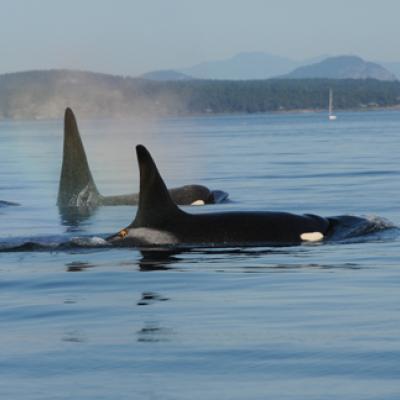
Acoustic quality of critical habitats for three threatened whale populations
A 2013 article in the journal Animal Conservation compares the effects of increasing anthropogenic noise to habitat loss for endangered fin, humpback and killer whales in the Salish Sea.