

All Articles

Report: Potential effects of PBDEs on Puget Sound and Southern Resident Killer Whales
The U.S. Environmental Protection Agency Region 10 and the National Marine Fisheries Service Northwest Region have released a report describing results from a series of technical workgroups about the potential effects of polybrominated diphenyl ethers (PBDEs) on Puget Sound and Southern Resident killer whales.

Toxics research that changed Puget Sound history
In the 1970s and 1980s, research from a division of NOAA's Montlake Lab suddenly changed the way scientists and the public viewed the health of Puget Sound. Their discovery of industrial toxics in the region's sediment-dwelling fish led to the creation of two Superfund sites, and new approaches to ecosystem management across the Sound. The man at the forefront of this research was Dr. Donald

Report: 2013 Health of the Salish Sea Ecosystem Report
The 2013 Health of the Salish Sea Ecosystem Report was prepared jointly by the U.S. Environmental Protection Agency and Environment Canada. View the complete report, or read the Executive Summary below.

Eyes Over Puget Sound: Surface Conditions Report - July 15, 2013
Abundant sunshine gives rise to large algal mats in South Sound, Hood Canal, and Sinclair Inlet. Red-brown algal blooms dominate in Budd, Totten, and Eld Inlets and jellyfish begin to increase. Northerly winds push algal blooms from Whidbey and Central Basins past Seattle and a bloom in northern Hood Canal southward. Satellite thermal imagery shows patterns of near-surface mixing and injection of
Paper: Shifts in the estuarine demersal fish community after a fishery closure in Puget Sound, Washington
This paper looks at 21 years of data on estuarine demersal fish in Puget Sound, assessing changes in population after the closure of bottom trawl fisheries.

Yuma Myotis (Myotis yumanensis)
This article originally appeared in the State of Washington Bat Conservation Plan. Further information is available from the Washington Department of Fish and Wildlife.

Western Long-eared Myotis (Myotis evotis)
This article originally appeared in the State of Washington Bat Conservation Plan. Further information is available from the Washington Department of Fish and Wildlife.
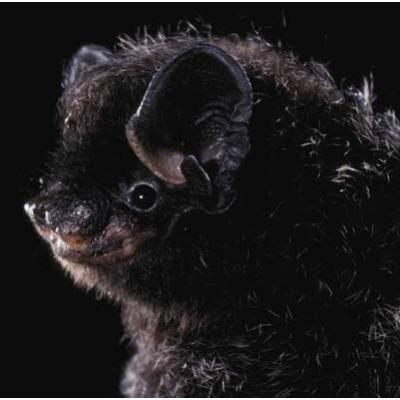
Silver-haired Bat (Lasionycteris noctivagans)
This article originally appeared in the State of Washington Bat Conservation Plan. Further information is available from the Washington Department of Fish and Wildlife.
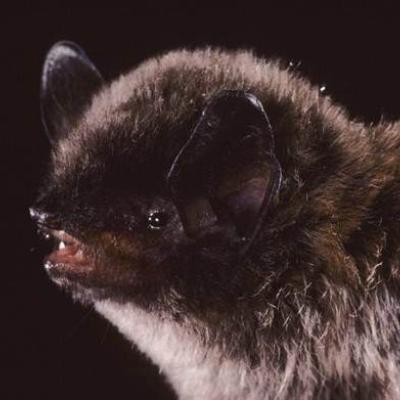
Long-legged Myotis (Myotis volans)
This article originally appeared in the State of Washington Bat Conservation Plan. Further information is available from the Washington Department of Fish and Wildlife.
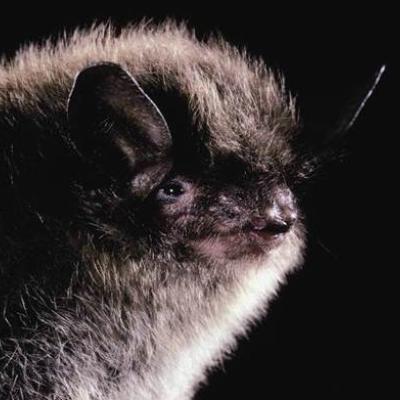
Little Brown Myotis (Myotis lucifugus)
This article originally appeared in the State of Washington Bat Conservation Plan. Further information is available from the Washington Department of Fish and Wildlife.