All Articles
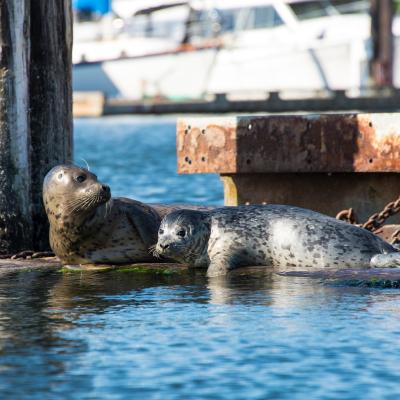
Congress debates lethal removal of seals and sea lions in Puget Sound
A proposed amendment to the Marine Mammal Protection Act has renewed a debate over the merits of killing seals and sea lions to protect salmon. Proponents say it will help some endangered salmon populations while opponents say the legislation is misguided and likely to be counterproductive.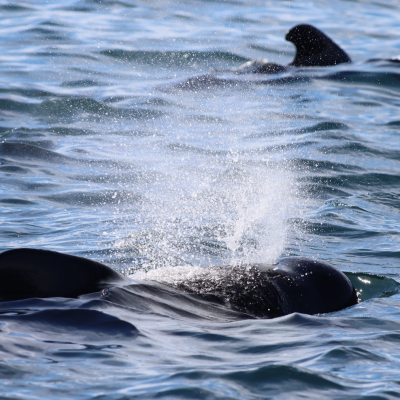
Short-finned pilot whales in the Salish Sea
Short-finned pilot whales occur around the world as distinct populations, but records of their occurrence in the Salish Sea are rare. Pilot whales are highly social, with some of the strongest bonds known among cetaceans. Unfortunately this makes them vulnerable to mass strandings and hunting.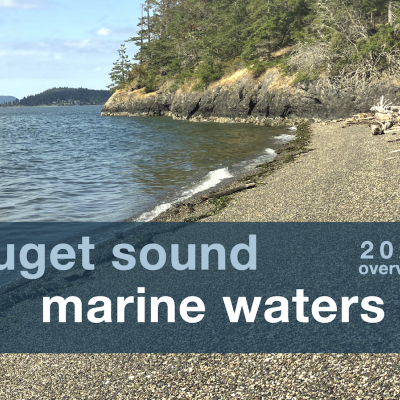
Puget Sound Marine Waters 2025 Overview
The 15th annual Puget Sound Marine Waters Overview combines summaries of monitoring data for marine conditions occurring in 2025. It represents the collective work of federal, tribal, state, and local agencies, academia, nonprofits, and private and volunteer groups.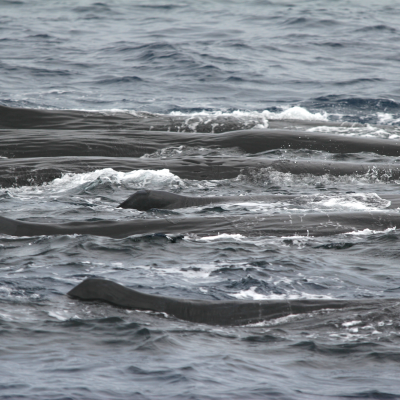
Sperm whales: A rarity in the Salish Sea
Described as ‘ocean nomads,’ sperm whales range widely throughout the world’s oceans. In Puget Sound and the Salish Sea, there has been only one documented record of a sighting in Haro Strait in 2018.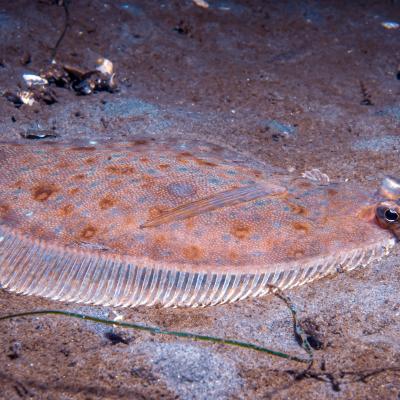
Case studies provide new details on impacts of low oxygen on Puget Sound species
A new report from the Puget Sound Institute and the University of Washington School of Aquatic and Fishery Sciences examines a species-level approach to oxygen risks in Puget Sound. Case studies of Dungeness crabs, English sole, and Chinook salmon provide new details on when and where individual species may be most vulnerable. Funding for this article is provided in part by King County.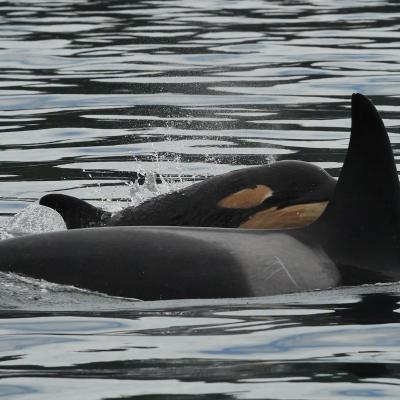
Annual census could show an increase of two killer whales among southern residents
The news of two new southern resident orca calves this year marks the 50th anniversary of whale counts from the Center for Whale Research.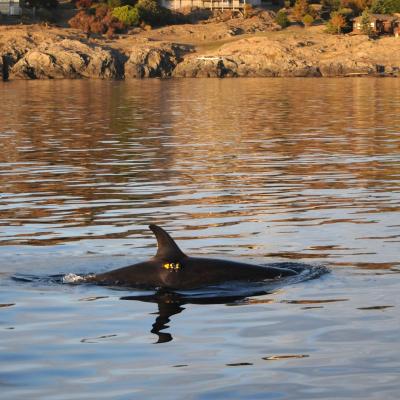
Orcas by night: A rare look at the nighttime activities of endangered killer whales
Killer whales are active both day and night, but most scientific research focuses on their daytime activities. A recent study looked at a small group of endangered southern residents to find out how often they hunt after the sun goes down. Ocean noise tends to decrease at night, potentially making it easier for the whales to catch salmon, but could they take advantage?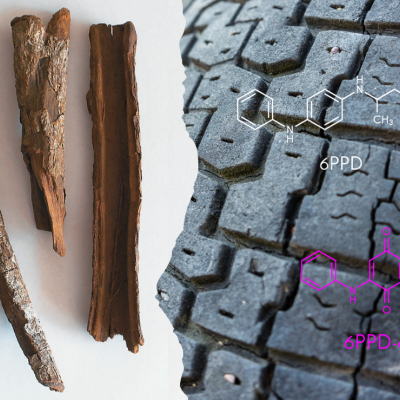
Untangling chemical names and looking back over 200 years of 6PPD history
The tire chemical 6PPD is known worldwide for its deadly effect on salmon, but it also has a complex history. We look at how this history connects to important breakthroughs in modern transportation and medicine and how the unique chemical structure of 6PPD makes it an environmental hazard.
Synthesis of the Shore Friendly Program (2019-2025)
This report describes and analyzes the first six years (2019-2025) of Shore Friendly as an established program within the Washington Department of Fish and Wildlife.