

All Articles
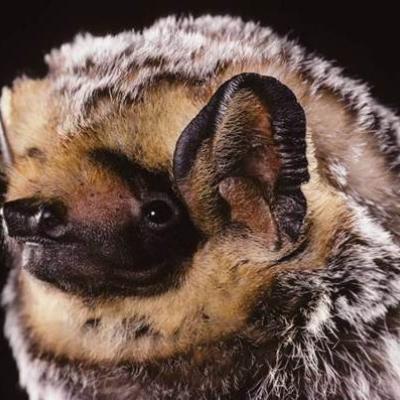
Hoary Bat (Lasiurus cinereus)
This article originally appeared in the State of Washington Bat Conservation Plan. Further information is available from the Washington Department of Fish and Wildlife.
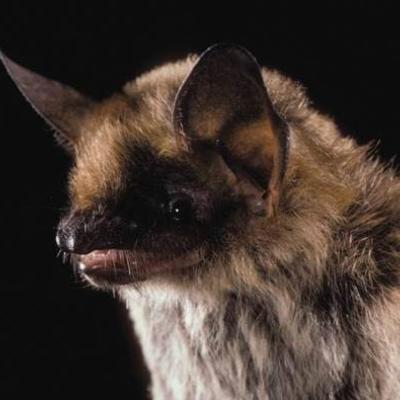
Fringed Myotis (Myotis thysanodes)
This article originally appeared in the State of Washington Bat Conservation Plan. Further information is available from the Washington Department of Fish and Wildlife.
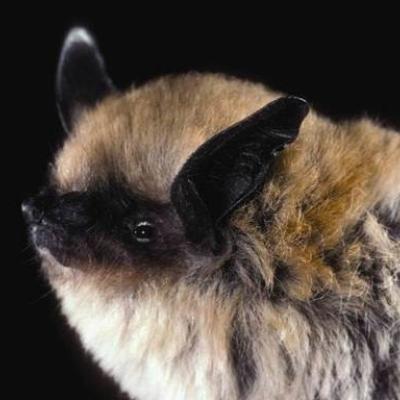
California Myotis (Myotis californicus)
This article originally appeared in the State of Washington Bat Conservation Plan. Further information is available from the Washington Department of Fish and Wildlife.
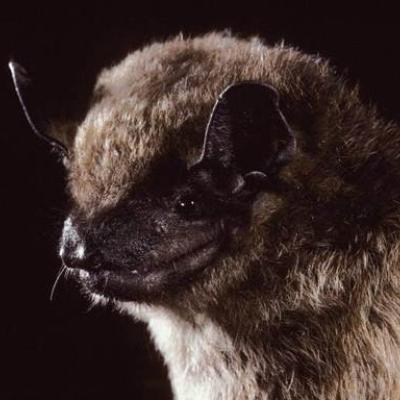
Big Brown Bat (Eptesicus fuscus)
This article originally appeared in the State of Washington Bat Conservation Plan. Further information is available from the Washington Department of Fish and Wildlife.

Field notes: Are Puget Sound herring limited by loss of eelgrass?
Could recent declines in Puget Sound herring be linked to decreases in native eelgrass? Biologist Tessa Francis reports on a new study that may provide insight into the health of one of the region's most iconic forage fish.
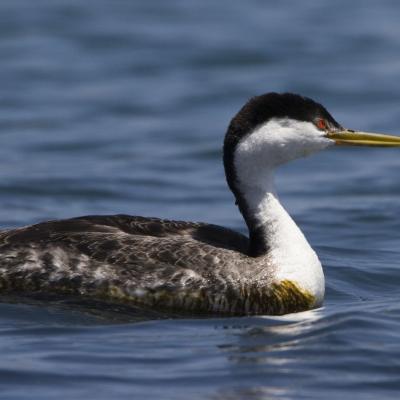
Paper: Citizen science reveals an extensive shift in the winter distribution of migratory Western Grebes
A June 19, 2013 paper in the journal PLoS ONE hypothesizes that regional declines in Western Grebe populations may be related to decreasing numbers of forage fish. Using citizen science data from 36 years of bird counts, researchers were able to look at population trends up and down the entire West Coast, finding that abundance of grebes decreased in the Salish Sea but increased in southern
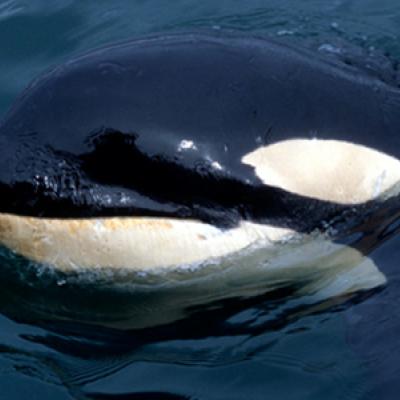
Paper: Spatial and temporal analysis of killer whale (Orcinus orca) strandings in the North Pacific Ocean and the benefits of a coordinated stranding response protocol
A new paper by Puget Sound area scientists from the SeaDoc Society and their collaborators represents the most complete summary to date of killer whale (Orcinus orca) strandings in the North Pacific. The authors analyzed stranding records dating back to 1925, obtained from scientists worldwide, finding that very few whales are stranded (an average of ten a year over the last twenty years). However
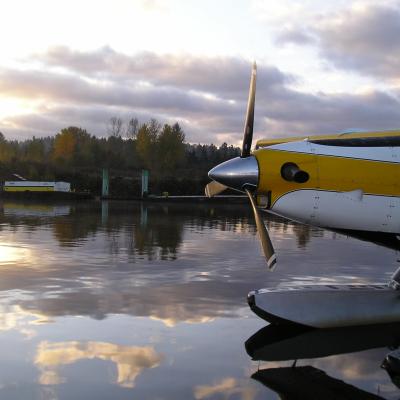
About the Eyes Over Puget Sound monitoring program
Once a month, Washington State Department of Ecology marine scientists take to the air to obtain high-resolution aerial photo observations and gather water data at the agency's monitoring stations and via state ferry transects. This provides a visual picture of the health of Puget Sound, which they call Eyes Over Puget Sound or EOPS.

Eyes Over Puget Sound: Surface Conditions Report - June 17, 2013
A stunning view of a second large Noctiluca bloom captures the attention of many living near Puget Sound. Favorable conditions support several regional phytoplankton blooms. Red-brown blooms in Port Townsend, Discovery Bay and Bellingham Bay. Large algal mats or organic material particularly in Samish Bay. Jellyfish patches increasing in Budd, Totten and Eld Inlets.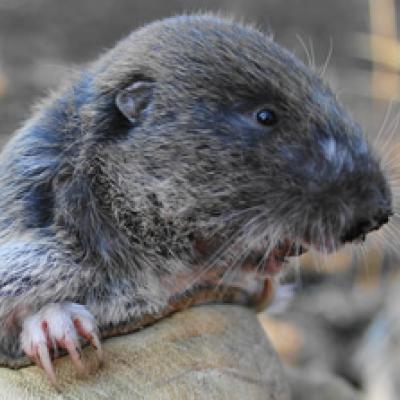
Mazama Pocket Gopher audio recording
Audio recordings of the Mazama Pocket Gopher.