Monitoring

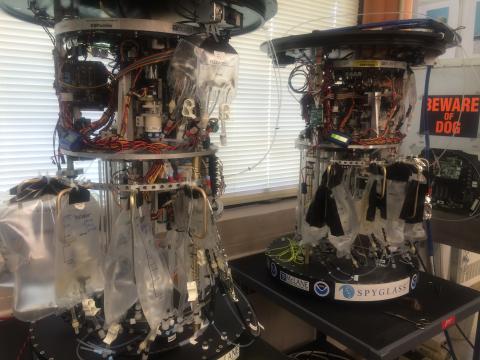
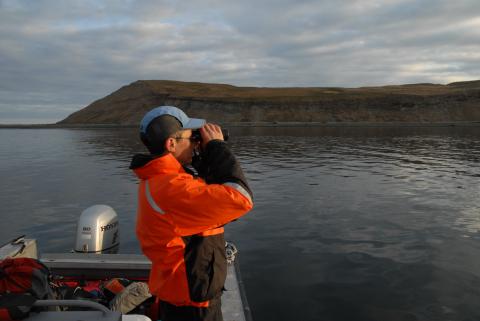
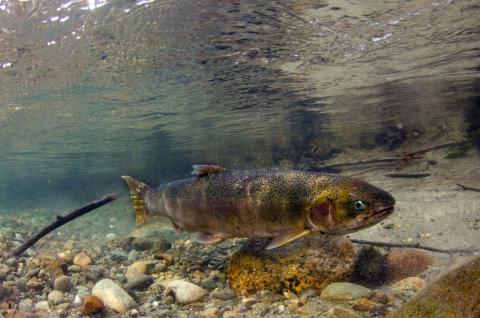
Monitoring encompasses the routine measurement of ecosystem indicators to assess the status and trends of ecosystem structure and function. Broadly, there are two goals for monitoring in the Puget Sound ecosystem. The first goal is to monitor status and trends of the ecosystem. This may take the form of snapshots of specific regions, or, more usefully, status monitoring tracks variability in carefully selected indicators over time. Status monitoring is fundamentally concerned with documenting spatial and temporal variability in ecosystem components and thus ideally relies on consistent long-term monitoring in a network of sites. A second aim of monitoring is to evaluate the effectiveness of management strategies. Effectiveness monitoring thus aims to detect changes in ecosystem status that are caused by specific management actions.

Sources:

Puget Sound Science Review

Additional resources:

Puget Sound Ecosystem Monitoring Program

Eyes Over Puget Sound

Overview

The Puget Sound Ecosystem Monitoring Program (PSEMP) is an independent program established by state and federal statute to monitor environmental conditions in Puget Sound. 

PSEMP logo

Related Articles

An algal bloom is a rapid increase or accumulation in the population of algae in a water system. While most are innocuous, there are a small number of algae species that produce harmful toxins to humans and animals.

January air temperatures and precipitation were above normal as El Nino conditions prevail. This winter our snowpack is in much better shape, though we’ve lost some snow from the stint of warm weather. More rain and higher river flows have lowered salinities in Puget Sound and coastal bays. Nonetheless, water temperatures in Puget Sound remain at record-breaking highs. Jellyfish patches are numerous in finger inlets of South Sound and signs of phytoplankton blooms are visible in coastal bays. When conditions limit flying, Ecology’s research vessel gets the job done.

The year 2015 in pictures: Jellyfish patches persisted through the entire year in response to the exceptionally warm water caused by the Blob. Sediment loads are high as snow melts fast in the winter of 2015. Unexpected phytoplankton species occur in some bays in spring. Noctiluca, jellyfish and macro-algae appear in high numbers when rivers drop to record-low flows in early summer. Low river flows slow the renewal of in Puget Sound throughout summer and fall and jellyfish patches reach record highs.

As coastal and regional conditions gradually normalize in response to a fading Blob and increased rain, the big question remains. Will the snow in the mountains stay there or come down prematurely and lower salinity in Puget Sound like last winter? Cascade snowpack is currently below normal. The El Niño at the equator is still brewing! Major rivers transport large amounts of suspended sediments and soil into Puget Sound, also seen in our ferry sensor data. Our flight team gets in the pool for safety training.

Puget Sound is starting to normalize in response to fall conditions with cooler air temperatures, rain, and recovering river flows. We are seeing fewer algal blooms, jellyfish, and macro-algae as salinities become more normal. Yet warm waters persist and El Nino and the Blob are likely to affect Puget Sound throughout the winter. The Nisqually River fared better through the drought than other rivers and best management practices have been improving its water quality. EOPS and ferry monitoring gain recognition with a national award for innovation!

Air temperatures are warm and Puget Sound continues to show record high water temperatures. Some rain has returned to our region, yet river flows remain unusually low. Puget Sound is saltier than normal allowing oxygen-rich surface waters to more easily mix to greater depths. Lower oxygen was measured only in the Coastal Bays, Hood Canal, and South Sound. Large jellyfish aggregations continue in South Sound, the Kitsap Peninsula, and East Sound (Orcas Island). Sediment plumes in Bellingham Bay form unique patterns. Warm waters and sunny conditions fostered green tides, raising a stink along some local beaches.