Species of concern

Species of concern are native species, sub-species or ecologically significant units that warrant special attention to ensure their conservation. The number of species of concern within the Salish Sea is used by the US Environmental Protection Agency and Environment Canada as a transboundary ecosystem indicator (called "Marine Species at Risk"). 

Source

Zier, Jacqlynn and Gaydos, Joseph K. (2016). The growing number of species of concern in the Salish Sea suggests ecosystem decay is outpacing recovery. Proceedings of the 2016 Salish Sea Ecosystem Conference, April 13-15, 2016
Vancouver, BC. 17 pgs.

Overview

The number of species of concern in the Salish Sea is growing at an average annual rate of 2.6%, according to a report published in the proceedings of the 2016 Salish Sea Ecosystem Conference in Vancouver, B.C.

The Tufted Puffin is among 125 species of concern found in the Salish Sea. Photo: Peter Hodum.

Related Articles

The 2013 Health of the Salish Sea Ecosystem Report was prepared jointly by the U.S. Environmental Protection Agency and Environment Canada. View the complete report, or read the Executive Summary below.


Could recent declines in Puget Sound herring be linked to decreases in native eelgrass? Biologist Tessa Francis reports on a new study that may provide insight into the health of one of the region's most iconic forage fish.

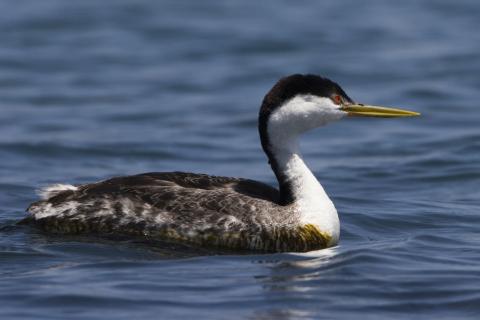
A June 19, 2013 paper in the journal PLoS ONE hypothesizes that regional declines in Western Grebe populations may be related to decreasing numbers of forage fish. Using citizen science data from 36 years of bird counts, researchers were able to look at population trends up and down the entire West Coast, finding that abundance of grebes decreased in the Salish Sea but increased in southern California. North American population declined by 52% overall.

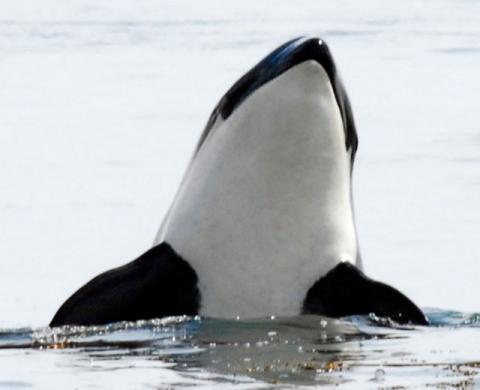
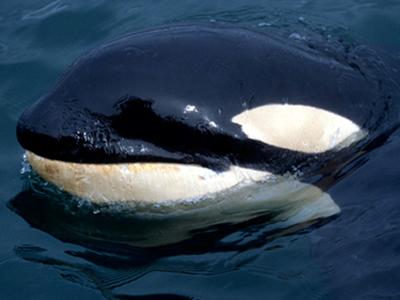
A new paper by Puget Sound area scientists from the SeaDoc Society and their collaborators represents the most complete summary to date of killer whale (Orcinus orca) strandings in the North Pacific. The authors analyzed stranding records dating back to 1925, obtained from scientists worldwide, finding that very few whales are stranded (an average of ten a year over the last twenty years). However, most of those strandings result in death. Only 12% of stranded whales survive.

Necropsy of stranded whales can provide important information about life history, health, genetics, and causes of death, but few of the stranded carcasses

This document was prepared by the U.S. Geological Survey in cooperation with the U.S. Environmental Protection Agency and the National Park Service. Download the entire report, or read the Introduction below. Portions of this document were originally published in June 2013 and were updated in February 2014. 


Seabird populations are declining worldwide. This paper looks at the impact of gillnets on bird populations.