Species of concern

Species of concern are native species, sub-species or ecologically significant units that warrant special attention to ensure their conservation. The number of species of concern within the Salish Sea is used by the US Environmental Protection Agency and Environment Canada as a transboundary ecosystem indicator (called "Marine Species at Risk"). 

Source

Zier, Jacqlynn and Gaydos, Joseph K. (2016). The growing number of species of concern in the Salish Sea suggests ecosystem decay is outpacing recovery. Proceedings of the 2016 Salish Sea Ecosystem Conference, April 13-15, 2016
Vancouver, BC. 17 pgs.

Overview

The number of species of concern in the Salish Sea is growing at an average annual rate of 2.6%, according to a report published in the proceedings of the 2016 Salish Sea Ecosystem Conference in Vancouver, B.C.

The Tufted Puffin is among 125 species of concern found in the Salish Sea. Photo: Peter Hodum.

Related Articles

This 2004 report looks at the status of Washington's four killer whale populations.

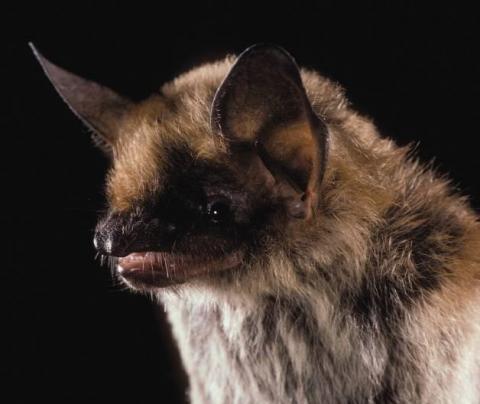
The Washington Department of Fish and Wildlife recently released a Bat Conservation Plan for the 15 species of bats found in Washington State. All but four of these species occur within the greater Puget Sound watershed1, including:

Big Brown Bat (Eptesicus fuscus), California Myotis (Myotis californicus), Fringed Myotis (Myotis thysanodes), Hoary Bat (Lasiurus cinereus), Keen’s Myotis (Myotis keenii), Little Brown Myotis (Myotis lucifugus), Long-legged Myotis (Myotis volans), Silver-haired Bat (Lasionycteris noctivagans), Townsend’s Big-eared Bat (Corynorhinus townsendii), Western Long-eared Myotis (

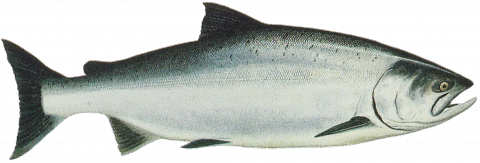
A new Chinook monitoring framework is designed to build cooperation among managers and policymakers working across the Puget Sound watershed. The report, prepared by an independent team of scientists and released by NOAA, includes a regionally specific, common classification system for Chinook habitats and key ecological attributes. 

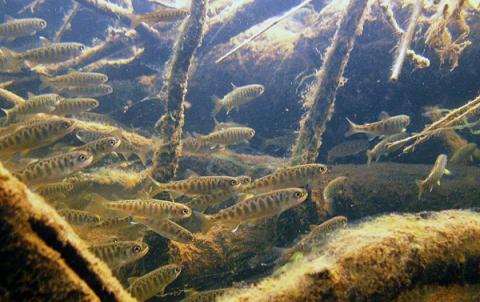
This technical report produced for the Puget Sound Nearshore Partnership on Valued Ecosystem Components (VEC) summarizes existing knowledge of salmon use of nearshore habitats in order to help protect and restore these habitats.

This is the executive summary from a technical report produced for the Puget Sound Nearshore Partnership on Valued Ecosystem Components (VEC). The entire document is included as a PDF with this summary.

This article was originally published by the Washington Department of Fish and Wildlife as part of its annual report Threatened and Endangered Wildlife in Washington.