

Find content specifically related to mammals of the Puget Sound and Salish Sea ecosystems. For checklists and descriptive accounts of individual species, visit our species library.
Additional resources:
Find content specifically related to mammals of the Puget Sound and Salish Sea ecosystems. For checklists and descriptive accounts of individual species, visit our species library.
Additional resources:

A 2017 report from the Puget Sound Ecosystem Monitoring Program presents an overview of selected recent monitoring and research activities focused on toxic contaminants in the Salish Sea.

The Puget Sound Ecosystem Monitoring Program (PSEMP) is an independent program established by state and federal statute to monitor environmental conditions in Puget Sound.

A 2017 article in the online journal Authorea reports that a comparatively small portion of ships produce much of the ocean's underwater noise.

Vessel traffic is increasing in the Puget Sound region. A 2017 article in the journal Aquatic Mammals looks at the potential impacts that increasing vessel disturbance may have on resident harbor seal populations and how future management decisions may need to look at variable buffer zones related to level of human activity.

A new study shows that increased populations of seals and sea lions are eating far more of Puget Sound’s threatened chinook than previously known, potentially hampering recovery efforts for both salmon and endangered killer whales.
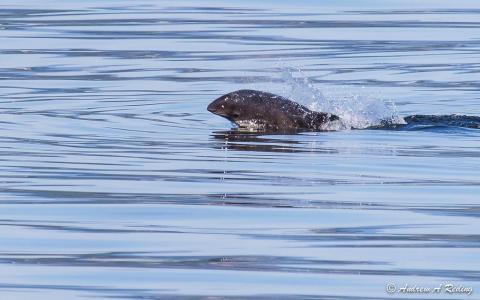
After an almost complete collapse in the 1970s, harbor porpoise populations in Puget Sound have rebounded. Scientists are celebrating the recovery of the species sometimes known as the "puffing pig."