

Find content specifically related to mammals of the Puget Sound and Salish Sea ecosystems. For checklists and descriptive accounts of individual species, visit our species library.
Additional resources:
Find content specifically related to mammals of the Puget Sound and Salish Sea ecosystems. For checklists and descriptive accounts of individual species, visit our species library.
Additional resources:
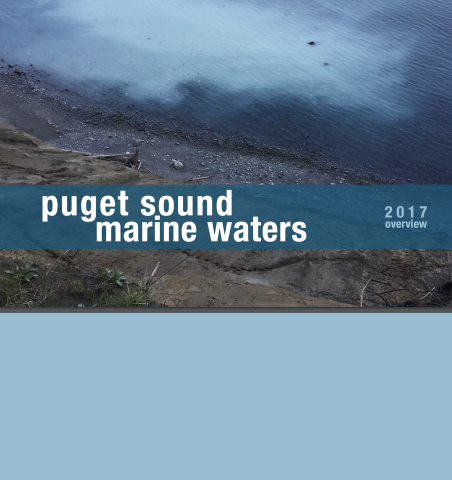
The Puget Sound Ecosystem Monitoring Program has released its seventh annual Marine Waters Overview. The report provides an assessment of marine conditions for the year 2017 and includes updates on water quality as well as status reports for select plankton, seabirds and fish.

With a population growth of about 10 percent per year in inland waters, harbor porpoises are having an undetermined but growing effect on food dynamics in Puget Sound.
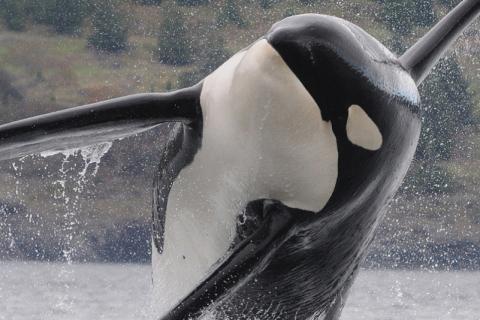
A 2018 paper in the journal Endangered Species Research analyzes southern resident killer whale sightings in the Salish Sea between 1976 and 2014.
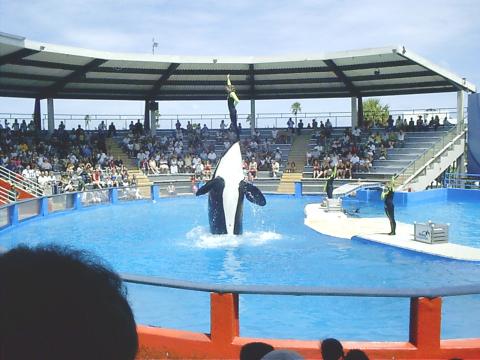
Between 1962 and 1973, at least 263 killer whales were caught or killed in the waters of British Columbia and Washington (Bigg and Wolman 1975). Twelve of these died during capture and fifty were kept for display in aquariums. The remainder of the captured animals escaped or were released. Twenty-seven of the whales kept as captive were taken from the population now designated as endangered southern-resident killer whales (Balcomb 2018). Of those captive whales, all but one have since died. The sole living whale, nicknamed Lolita, remains in captivity at the Miami Seaquarium.
Balcomb, Ken. (2018). Center for Whale Research. Personal correspondence.

The reasons for the surprise visits are unknown, but changes in environmental conditions here or elsewhere are one possibility.

As wildlife managers work to recover Puget Sound’s diminished Chinook population, a proposed white paper is expected to review the impacts of some of the salmon's chief predators. The study would include a section on potential management of seals and sea lions, prompting open discussion of a long taboo subject: Could officials seek to revise the Marine Mammal Protection Act — or even conduct lethal or non-lethal removal of seals and sea lions in some cases? Such actions are hypothetical, but we look at some of the ongoing discussions around the issue as prompted by a new resolution from the Puget Sound Leadership Council.