

Overview
The Puget Sound ecosystem is shaped by its physical environment. This article looks at Puget Sound's geologic history as well as dynamic factors such as the flow of its rivers and currents.

The Puget Sound ecosystem is shaped by its physical environment. This article looks at Puget Sound's geologic history as well as dynamic factors such as the flow of its rivers and currents.
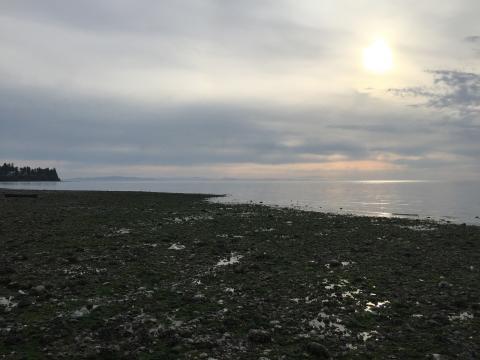
A 2015 report from the Whatcom Conservation District and Whatcom County describes a pilot watershed characterization study focusing on the Terrell Creek and Birch Bay areas. The report and related appendices are available for download.
A 2015 report from the University of Washington Puget Sound Institute summarizes and reviews 14 EPA-funded projects focusing on Puget Sound's marine and nearshore environments. The projects were conducted between 2011-2015 with support from the EPA's National Estuary Program.

A 2015 report from the University of Washington provides the most comprehensive assessment to date of the expected impacts of climate change on the Puget Sound region.

The Puget Sound Fact Book brings together statistics and other information about the health and makeup of the Puget Sound ecosystem. Areas of focus include climate change, geography, water quality, habitats, human dimensions and regional species. The fact book was prepared for the Encyclopedia of Puget Sound with funding from the Environmental Protection Agency and the Puget Sound Partnership.

Puget Sound is the second largest estuary in the contiguous United States. Today, we understand that estuaries — where freshwater and saltwater merge — are among the most productive places for life to exist.
This report documents how Washingtonians have responded to the challenges of protecting and restoring salmon and steelhead to healthy status. It also serves as a tool to summarize achievements, track salmon recovery progress through common indicators, and identify data gaps that need to be filled.