

Overview
The Puget Sound ecosystem is shaped by its physical environment. This article looks at Puget Sound's geologic history as well as dynamic factors such as the flow of its rivers and currents.

The Puget Sound ecosystem is shaped by its physical environment. This article looks at Puget Sound's geologic history as well as dynamic factors such as the flow of its rivers and currents.
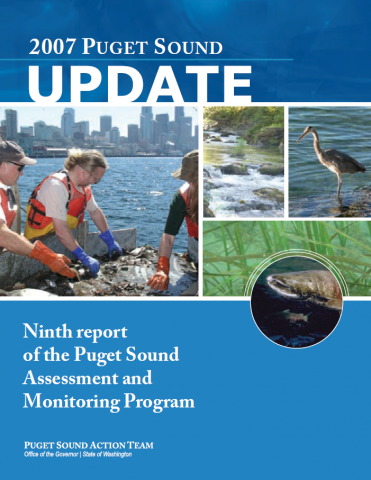
The Puget Sound Update is a technical report that integrates results of PSAMP and other scientific activities in Puget Sound focused on marine life and nearshore habitat, marine and freshwater quality, and toxic contamination.
The Washington Department of Fish and Wildlife has published a comprehensive set of guidelines for managing shoreline development such as bulkheads and seawalls.
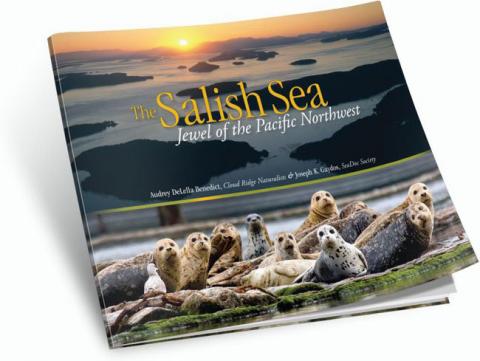
The Salish Sea: Jewel of the Pacific Northwest brings together more than 230 extraordinary images of the Salish Sea. But don't call it a coffee table book. Its lush photos are backed by a serious scientific perspective on this complex and fragile ecosystem.

A 2014 report prepared by the Stillaguamish Tribe analyzes potential causes of changes in peak and low flows in the Stillaguamish River basin.

The Puget Sound Model was designed and built by the University of Washington School of Oceanography in the early 1950s to simulate the tides and currents of Puget Sound. A series of videos produced by the Encyclopedia of Puget Sound describes its construction and operation.