

Healthy Human Population is an indicator of ecosystem health established by the State of Washington's Puget Sound Partnership. It is part of a series of indicators known as "Puget Sound Vital Signs" that include sub-categories such as air quality, drinking water, local foods, onsite sewage systems, outdoor activity and shellfish beds. The goal of the indicator is "a healthy population supported by a healthy Puget Sound that is not threatened by changes in the ecosystem," according to the Partnership's website. Related articles below may include topics pertaining to beneficial—not just adverse—conditions for human health.
Healthy human population
Related Articles
![Bay Mussels (Mytilus trossulus) on Edmonds Ferry Dock. Photo [cropped]: brewbooks (CC BY-SA 2.0) https://www.flickr.com/photos/brewbooks/8840874065](/sites/default/files/styles/large/public/topical_article/images/8840874065_da3b29ce56_crop_1200.jpg?itok=Skf5oEDw "Bay Mussels (Mytilus trossulus) on Edmonds Ferry Dock. Photo [cropped]: brewbooks (CC BY-SA 2.0) https://www.flickr.com/photos/brewbooks/8840874065")
Scientists are testing ways to use transplanted shellfish such as mussels to monitor toxic contaminants in Puget Sound.

Invasive species are considered a top threat to the balance of ecosystems worldwide. New discoveries of non-native green crabs in Puget Sound have highlighted that concern here at home, but invasive species can impact more than just the food web. Some introduced species can produce toxins that accumulate in shellfish or by directly infecting the human body.

Social scientists around the Salish Sea are predicting the effects of environmental change through the lens of culturally important foods.

Formerly known as “Red Tide”, harmful algal blooms are a health concern for both wildlife and humans. The following is a brief review of some of these algae and their effects.
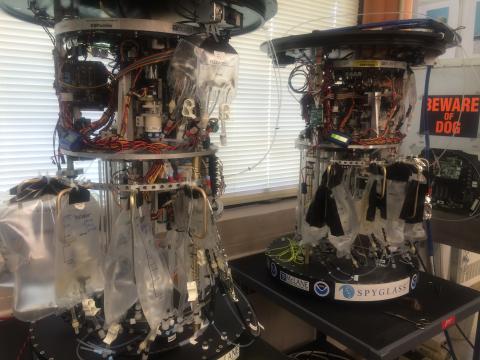
Environmental samplers may provide early detection of harmful algal blooms (HABs) in Puget Sound. This toxic algae is expected to increase as the climate changes, bringing with it new and potentially more severe outbreaks of shellfish poisonings.
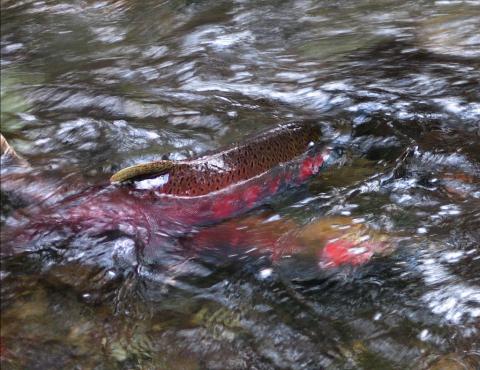
A 2016 paper in Environmental Pollution identifies dozens of pharmaceuticals and other compounds that are accumulating in Puget Sound fish such as salmon.