

Healthy Human Population is an indicator of ecosystem health established by the State of Washington's Puget Sound Partnership. It is part of a series of indicators known as "Puget Sound Vital Signs" that include sub-categories such as air quality, drinking water, local foods, onsite sewage systems, outdoor activity and shellfish beds. The goal of the indicator is "a healthy population supported by a healthy Puget Sound that is not threatened by changes in the ecosystem," according to the Partnership's website. Related articles below may include topics pertaining to beneficial—not just adverse—conditions for human health.
Healthy human population
Related Articles

This is an extended abstract of Poisoning the body to nourish the soul: Prioritising health risks and impacts in a Native American community by Jamie L. Donatuto, Terre A. Satterfield and Robin Gregory. The full article was published in Health, Risk & Society, Vol. 13, No. 2, April 2011, 103–127. The extended abstract was prepared for the Encyclopedia of Puget Sound by Jamie L. Donatuto.
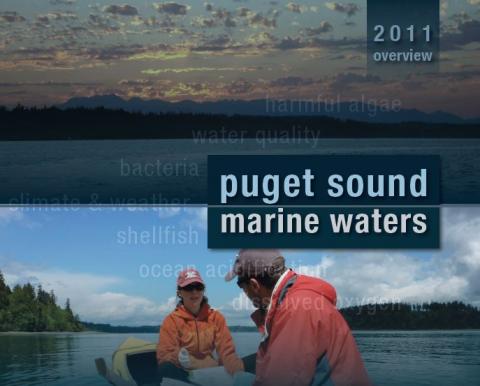
The Puget Sound Marine Waters 2011 report is now available. The report was produced by the Puget Sound Ecosystem Monitoring Program and assesses the condition and quality of the waters of Puget Sound.

Ecosystem services are the “outputs” and experiences of ecosystems that benefit humans, and are generated by the structure and function of natural systems, often in combination with human activities. The Millennium Ecosystem Assessment, a global effort to catalog and assess ecosystem status and functions, offers a useful classification scheme.