

Healthy Human Population is an indicator of ecosystem health established by the State of Washington's Puget Sound Partnership. It is part of a series of indicators known as "Puget Sound Vital Signs" that include sub-categories such as air quality, drinking water, local foods, onsite sewage systems, outdoor activity and shellfish beds. The goal of the indicator is "a healthy population supported by a healthy Puget Sound that is not threatened by changes in the ecosystem," according to the Partnership's website. Related articles below may include topics pertaining to beneficial—not just adverse—conditions for human health.
Healthy human population
Related Articles
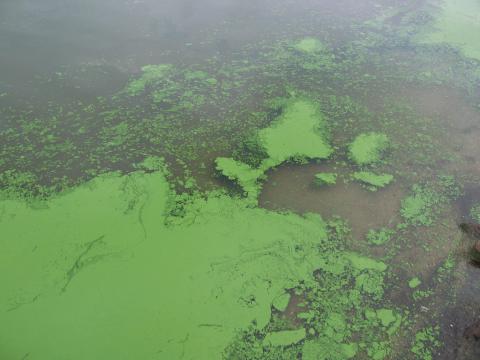
An algal bloom is a rapid increase or accumulation in the population of algae in a water system. While most are innocuous, there are a small number of algae species that produce harmful toxins to humans and animals.
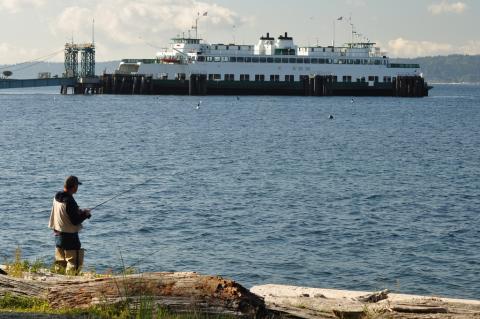
This content initiates a description of the social dimensions of the Puget Sound system with a short list of facts about population growth trends, how humans interact with and depend on the Puget Sound ecosystem for their wellbeing (in the broadest sense), and the large-scale policies and individual human activities that have the greatest potential impact on the Puget Sound ecosystem.

From orcas to starfish to humans, disease affects every living creature in the ecosystem. Scientists are increasingly alarmed by its potential to devastate already compromised populations of species in Puget Sound.
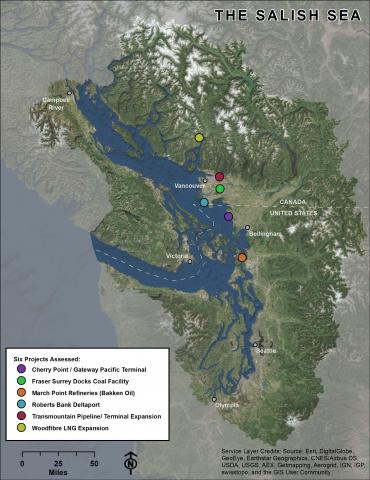
A 2015 paper in the journal PLoS ONE identifies ongoing and proposed energy-related development projects that will increase marine vessel traffic in the Salish Sea. It evaluates the threats each project poses to natural resources important to Coast Salish first nations and tribes.
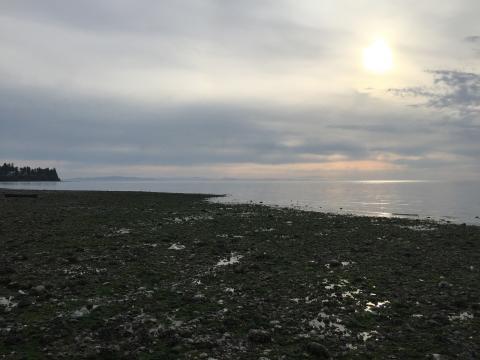
A 2015 report from the Whatcom Conservation District and Whatcom County describes a pilot watershed characterization study focusing on the Terrell Creek and Birch Bay areas. The report and related appendices are available for download.

A 2015 paper in the journal Marine Policy identifies six domains of human wellbeing related to the natural environment. The domains were developed based on case studies in Washington's Hood Canal and Olympic Coast regions.