

Healthy Human Population is an indicator of ecosystem health established by the State of Washington's Puget Sound Partnership. It is part of a series of indicators known as "Puget Sound Vital Signs" that include sub-categories such as air quality, drinking water, local foods, onsite sewage systems, outdoor activity and shellfish beds. The goal of the indicator is "a healthy population supported by a healthy Puget Sound that is not threatened by changes in the ecosystem," according to the Partnership's website. Related articles below may include topics pertaining to beneficial—not just adverse—conditions for human health.
Healthy human population
Related Articles
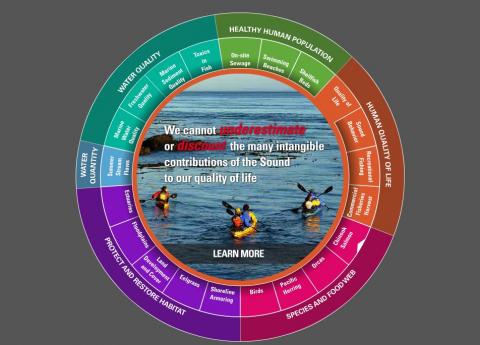
A report by the University of Washington Puget Sound Institute describes a 2013 workshop to integrate the social sciences into Puget Sound ecosystem monitoring. Social scientists will focus in part on several of the Puget Sound Partnership's designated ecosystem indicators, including categories such as Healthy Human Population and Human Quality of Life.
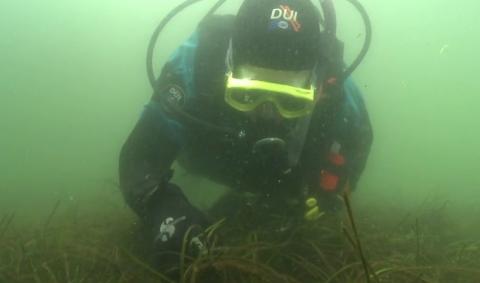
Every two years the Puget Sound Partnership is required to assess the status of scientific research relating to the recovery of Puget Sound, in a document knows as the Biennial Science Work Plan (BSWP). Among other tasks, this entails making an inventory of all ongoing research projects in the current biennium (2011-2013). We are posting this (draft) inventory of recovery-relevant research projects here to make the information generally available.

A November 2013 paper in the journal Conservation Letters examines the importance of cultural values to ecosystem-based management of coastal environments. Extended abstract by Melissa Poe of NOAA Fisheries and Washington Sea Grant, with Phil Levin and Karma Norman.
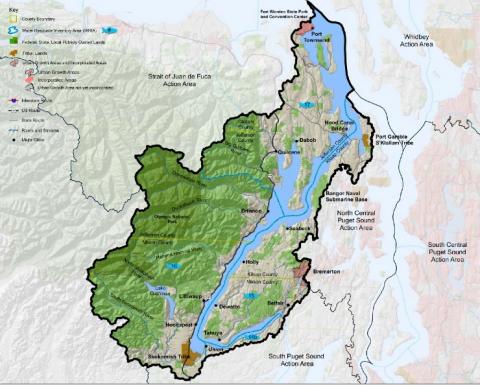
The University of Washington Puget Sound Institute and Stanford University in collaboration with the Hood Canal Coordinating Council report on efforts to select human wellbeing indicators relevant to natural resource management in the Hood Canal watershed.

The Puget Sound Marine Waters 2012 Overview from the Puget Sound Ecosystem Monitoring Program synthesizes conditions measured in 2012 and has been expanded to include observations on seabirds that rely on marine waters. Read an excerpt below, or download the full report.

In the 1970s and 1980s, research from a division of NOAA's Montlake Lab suddenly changed the way scientists and the public viewed the health of Puget Sound. Their discovery of industrial toxics in the region's sediment-dwelling fish led to the creation of two Superfund sites, and new approaches to ecosystem management across the Sound. The man at the forefront of this research was Dr. Donald Malins, featured here as part of the Puget Sound Voices series.