

Healthy Human Population is an indicator of ecosystem health established by the State of Washington's Puget Sound Partnership. It is part of a series of indicators known as "Puget Sound Vital Signs" that include sub-categories such as air quality, drinking water, local foods, onsite sewage systems, outdoor activity and shellfish beds. The goal of the indicator is "a healthy population supported by a healthy Puget Sound that is not threatened by changes in the ecosystem," according to the Partnership's website. Related articles below may include topics pertaining to beneficial—not just adverse—conditions for human health.
Healthy human population
Related Articles

Participants in this year’s Earth Day activities won’t be rallying in large groups, participating in environmental festivals or coming together to clean up the Earth. On the 50th anniversary of Earth Day — April 21st — the environmental movement will be uniquely digital, with many people celebrating from their home computers. [This story is reprinted from the Puget Sound Institute-sponsored blog 'Our Water Ways.']
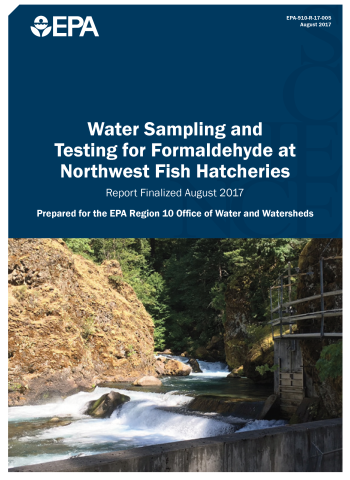
Formaldehyde is often used to control parasites on hatchery salmon and trout. The U.S. Environmental Protection Agency and the Washington State Department of Ecology conducted a joint study of formaldehyde concentrations in effluent from hatcheries in the Pacific Northwest.

The Puget Sound Ecosystem Monitoring Program (PSEMP) is an independent program established by state and federal statute to monitor environmental conditions in Puget Sound.
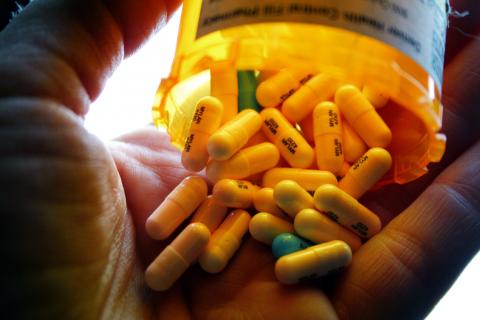
Drugs like Prozac and cocaine have been showing up in the region’s salmon. But these are just some of the potentially thousands of different man-made chemicals that escape into the Salish Sea every day, from pharmaceuticals to industrial compounds. Now the race is on to identify which ones pose the greatest dangers.

Efforts to reduce fire hazards over a half century ago have left an unintended trail of persistent environmental contaminants from flame retardant chemicals known as PBDEs. Bans and substitutes are still evolving.

New federal legislation, approved overwhelmingly by the U.S. Congress in December 2015 and signed into law by President Obama in June 2016, is designed to make sure that people and the environment are not harmed by new and old chemicals on the market.