

Healthy Human Population is an indicator of ecosystem health established by the State of Washington's Puget Sound Partnership. It is part of a series of indicators known as "Puget Sound Vital Signs" that include sub-categories such as air quality, drinking water, local foods, onsite sewage systems, outdoor activity and shellfish beds. The goal of the indicator is "a healthy population supported by a healthy Puget Sound that is not threatened by changes in the ecosystem," according to the Partnership's website. Related articles below may include topics pertaining to beneficial—not just adverse—conditions for human health.
Healthy human population
Related Articles
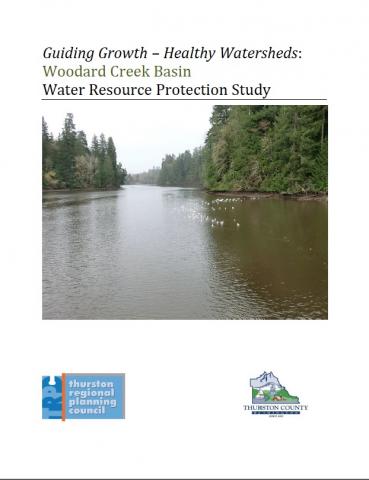
An EPA-funded study by the Thurston Regional Planning Council identified recommended strategies and actions to protect and improve water quality and aquatic resources in the Woodard Creek Basin.
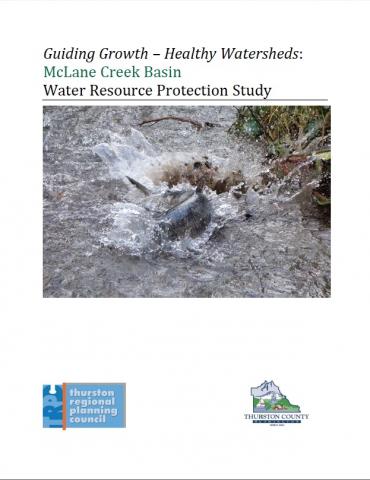
An EPA-funded study by the Thurston Regional Planning Council identified recommended strategies and actions to protect and improve water quality and aquatic resources in the McLane Creek Basin.
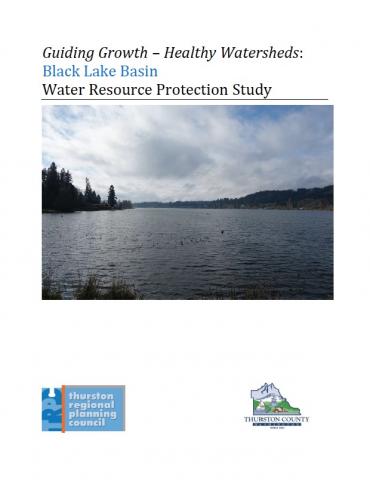
An EPA-funded study by the Thurston Regional Planning Council identified recommended strategies and actions to protect and improve water quality and aquatic resources in the Black Lake Basin.

The Puget Sound Fact Book brings together statistics and other information about the health and makeup of the Puget Sound ecosystem. Areas of focus include climate change, geography, water quality, habitats, human dimensions and regional species. The fact book was prepared for the Encyclopedia of Puget Sound with funding from the Environmental Protection Agency and the Puget Sound Partnership.

Coastal recreation, tourism, and ethical or existence values are among the most important ecosystem service (ES) benefits identified by Puget Sound stakeholders (Iceland et al, 2008). The ecosystem services (ES) concept has become the leading framework to understand and communicate the human dimensions of environmental change. This report focuses on economic, social and cultural values inextricably linked to ES benefits in the context of ongoing efforts to restore and protect the Sound.
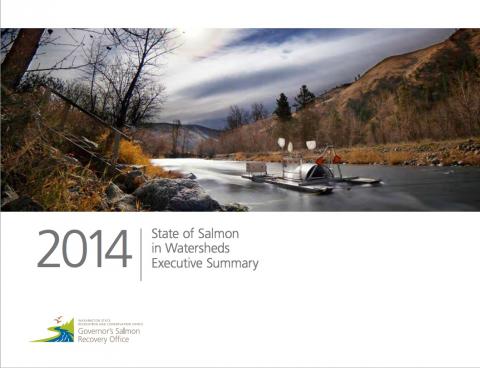
This report documents how Washingtonians have responded to the challenges of protecting and restoring salmon and steelhead to healthy status. It also serves as a tool to summarize achievements, track salmon recovery progress through common indicators, and identify data gaps that need to be filled.