

All Articles
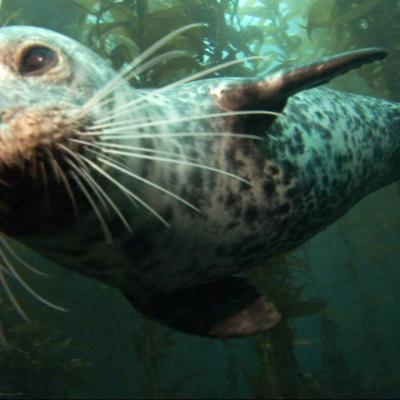
Antibiotic resistance of bacteria in two marine mammal species, harbor seals and harbor porpoises, living in an urban marine ecosystem, the Salish Sea, Washington State, USA
Harbor seals and harbor porpoises in the Salish Sea are showing a relatively high presence of antibiotic-resistant bacteria. A 2021 paper in the journal Oceans suggests that these findings may indicate a wider problem among other species in the region.
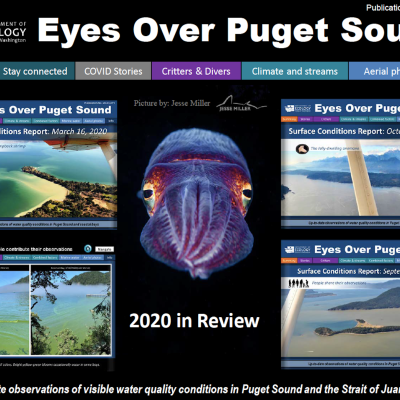
Eyes Over Puget Sound - 2020 Year in Review
The Washington State Department of Ecology has prepared a summary review of its Eyes Over Puget Sound surface condition reports from 2020.
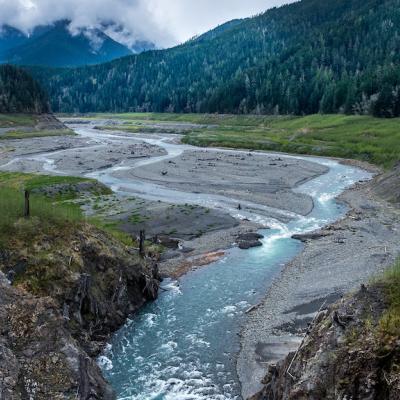
Puget Sound National Estuary Program: Tribal implementation final report
This report details the outcomes, successes, and reflections of the final two years (2014-15) of an Environmental Protection Agency (EPA) National Estuary Program award dedicated to tribal restoration and protection projects in the Puget Sound watershed.
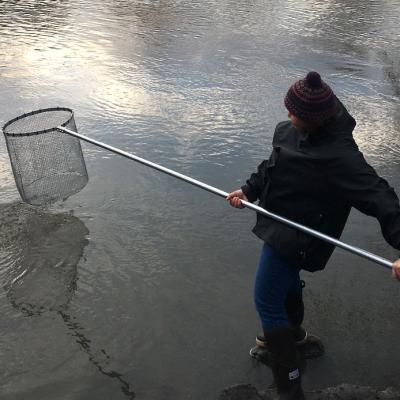
Once hearty 'hooligans' declining in the Salish Sea
A river spawning species of forage fish known as the longfin smelt is rare and getting rarer in the Salish Sea. Biologists are looking into the mysterious decline of the ‘hooligans’ of the Nooksack.
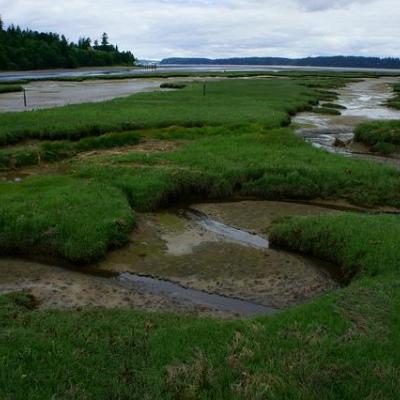
Types of estuaries in Puget Sound
An estuary is a place where saltwater from the ocean mixes with freshwater from rivers and streams. Technically, this defines all of Puget Sound, but scientists have identified several types of "sub-estuaries" within the water body. These include pocket estuaries (or embayments), tidally-influenced rivers and wetlands and other areas near the shoreline connected with freshwater sources. This
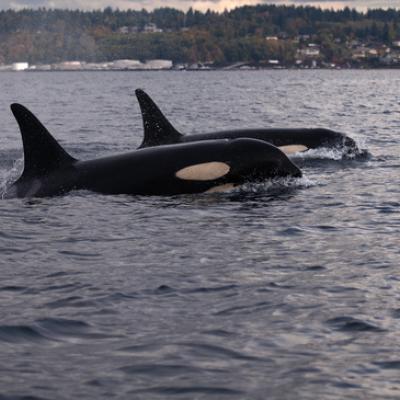
Pathology findings and correlation with body condition index in stranded killer whales (Orcinus orca) in the northeastern Pacific and Hawaii from 2004 to 2013
A 2020 study of pathology reports for 53 stranded killer whales in the northeastern Pacific and Hawaii showed that deaths related to human interaction were found in every age class. Vessel strikes accounted for the deaths of four of the nine endangered southern resident killer whales identified in the study. The findings were published Dec. 2 in the journal PLOS ONE.
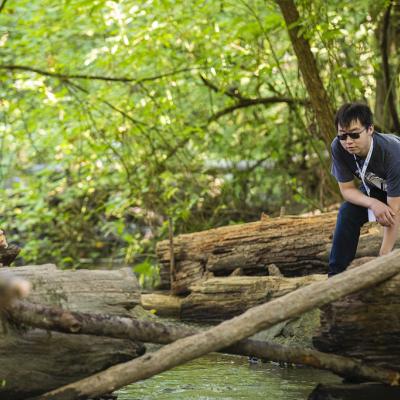
Timeline: The search to find a chemical that kills coho salmon in urban streams
The search for why large numbers of spawning coho salmon have been dying in Puget Sound's urban streams goes as far back as the 1980s and culminated this year with the discovery of a previously unidentified chemical related to automobile tires. We offer a detailed timeline for the discovery.
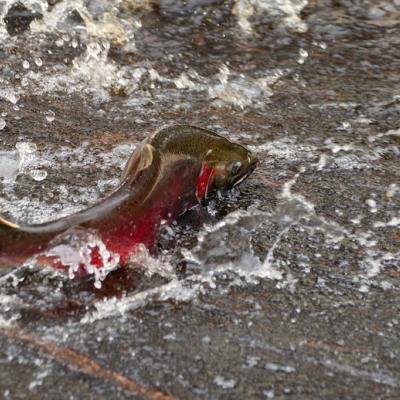
Scientists hunt down deadly chemical that kills coho salmon
Environmental engineers and chemists at the University of Washington Tacoma have identified a mysterious compound implicated in the deaths of large numbers of coho salmon in Puget Sound. The chemical is linked with a rubber additive commonly used in tires and is thought to kill more than half of the spawning coho that enter the region's urban streams every year.
The history and chemistry of tires
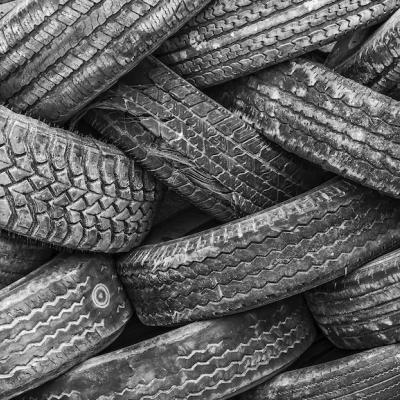
Modern automobile tires are a complex mixture of chemicals, all used together in different ways to give tires their structure and properties, including riding comfort, safety and long life. Chemicals from tire wear particles are now thought to be responsible for the deaths of large numbers of coho salmon returning to spawn in Puget Sound streams.
2019 Puget Sound Marine Waters Overview
A new report from the Puget Sound Ecosystem Monitoring Program details the effects of a changing climate on Puget Sound in 2019, and documents how these changes moved through the ecosystem to affect marine life and seafood consumers.