

All Articles
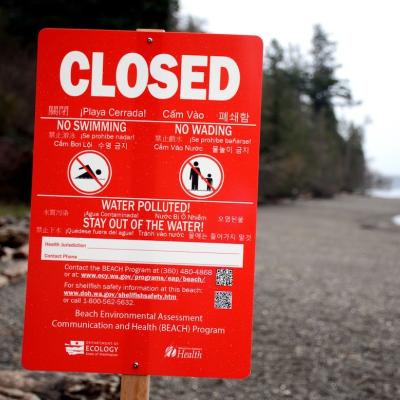
Pathogens Prevention Reduction and Control 5-6 (PC-00J88801) Final Report
The Pathogens Prevention Reduction and Control agreement between the Environmental Protection Agency and the Washington State Department of Health focuses on the prevention and reduction of pathogen pollution in Puget Sound through the management of human and animal waste. The primary objectives of the agreement include restoring shellfish growing areas, avoiding shellfish closures, and protecting
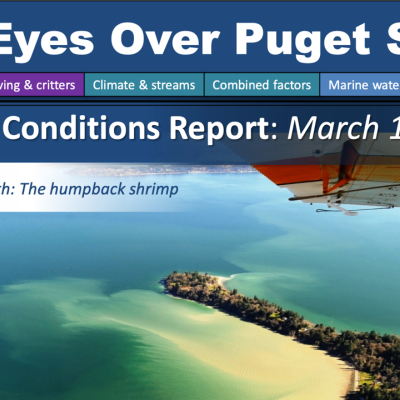
Eyes Over Puget Sound: Surface Conditions Report - March 16, 2020
After a wet January, precipitation has been low and air temperatures have been cooler. As a result, rivers gages are lower than expected, a pattern that has continued since last year. In March we approached the coldest water temperatures of the year. Herring are spawning in Port Madison. Although these cool temperatures are good for herring, temperatures are close to the survival limits for
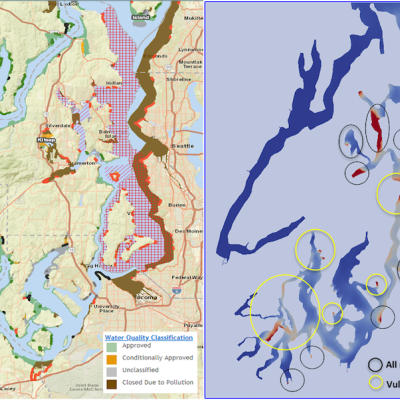
Ecosystem models expand our understanding of the Salish Sea
Scientists are using computer models to address complex issues in the Salish Sea like the rise of harmful algal blooms and the movement of toxic PCBs. LiveOcean, Atlantis and the Salish Sea Model are three systems that are changing the game for ecologists and other researchers.
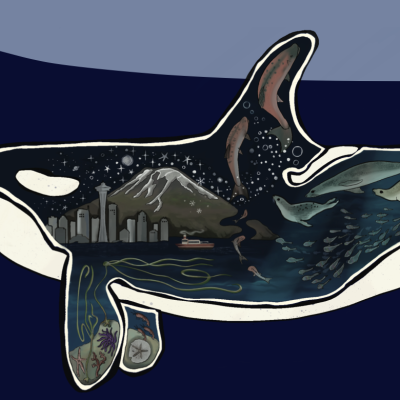
Social scientists analyze public reactions to orca crisis
Social scientists at Oregon State University have been analyzing a trove of more than 17,000 public comments sent to the Washington state governor's southern resident orca recovery task force. The researchers have added the comments to a keyword database to look at public emotions and perceptions around the issue of orca declines.
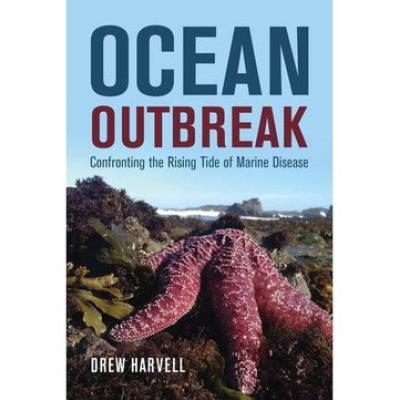
A conversation with "Ocean Outbreak" author Drew Harvell
When Cornell University ecologist Drew Harvell wrote her book "Ocean Outbreak," she couldn't have known that 2020 would be the year of COVID-19. But even as people around the world grapple with the effects of that disease, scientists are keeping watch on potential disasters from viruses and other pathogens for species in the world's oceans. As the oceans warm due to climate change, scientists
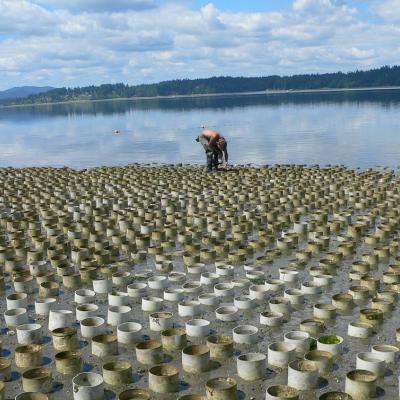
A history of Puget Sound's 'boss clam'
The geoduck has earned an honored place as Puget Sound's largest and most distinctive native clam, but how much do we really know about it? Often seen as a culinary curiosity, the geoduck has only been commercially harvested on a large scale since the 1970s, and the clam's current popularity is based mostly on demand from Asian markets. Nevertheless, this deep-burrowing mollusk has always been a
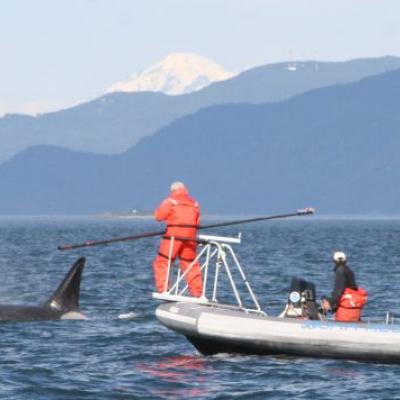
Virus related to measles could push Puget Sound orcas to extinction, study says
Researchers studying the killer whales that frequent Puget Sound are growing increasingly concerned that a dangerous virus or other disease-causing organism could spread through the population and hasten extinction of these critically endangered southern resident orcas.
Warming ocean conditions fuel viruses among species in the Salish Sea
As officials struggle to track and contain the outbreak of the novel coronavirus known as COVID-19, ecologists say widespread impacts from viruses and other pathogens are also a growing threat to the species of the Salish Sea ecosystem.
Puget Sound's 'warm snow’ makes region vulnerable to climate shifts
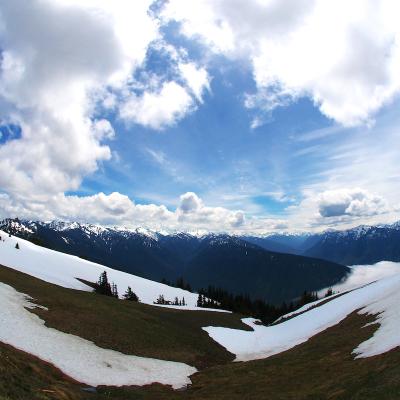
Climate models project that if carbon emmisions continue as they are now, the vast majority of watersheds feeding Puget Sound will receive more rain and far less snow by 2080, causing increased flooding and other dramatic changes to the freshwater ecosystem. We look at the past and possible future of the region's snowpack and what this might mean for salmon and other species — including humans.
Air contaminants, such as mercury and PCBs, undermine the health of Puget Sound
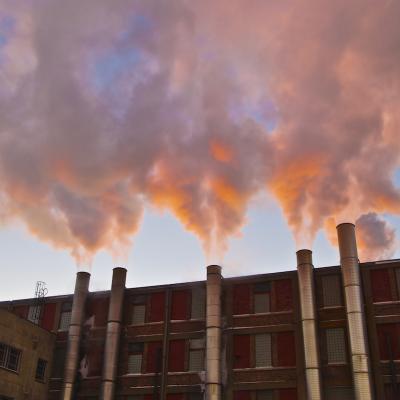
High levels of mercury and other toxic chemicals are showing up in seemingly remote and pristine parts of the Puget Sound watershed, the result of atmospheric deposition. Scientists talk about a “dome” of pollution hanging over urban areas, leading to a never-ending cycle of persistent compounds working their way through the air, onto the land and into the water.