

All Articles
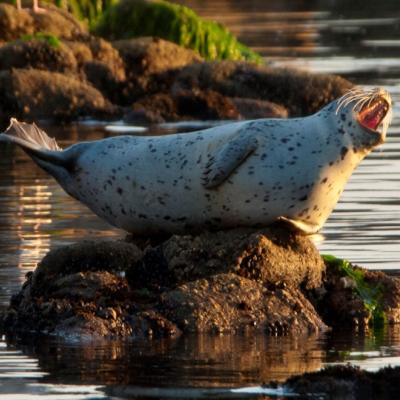
Harbor seal species profile
Harbor seals (Phoca vitulina) are the most commonly seen marine mammals in the Salish Sea and can be found throughout the region year round. They have been intensively studied within the Salish Sea and this species profile provides an overview of what is known about them. It was produced for the Encyclopedia of Puget Sound by the SeaDoc Society.
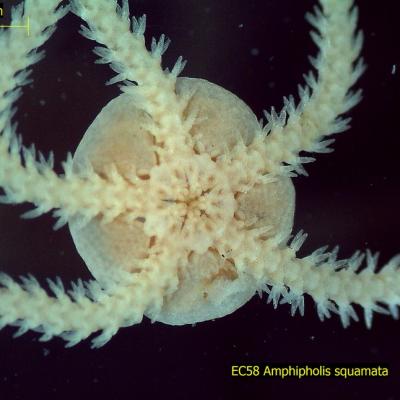
Benthic Invertebrates of Puget Sound
A list of over 1800 benthic infaunal invertebrates is now available on the Encyclopedia of Puget Sound. The list was prepared as part of the Washington State Department of Ecology’s Marine Sediment Monitoring Program (MSMP). This program, initiated in 1989, is one component of the Puget Sound Ecosystem Monitoring Program, a collaborative effort dedicated to monitoring environmental conditions in
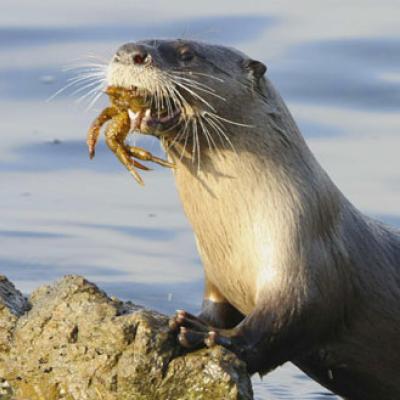
Spatial and Temporal Variation in River Otter (Lontra canadensis) Diet and Predation on Rockfish (Genus Sebastes) in the San Juan Islands, Washington
A 2014 paper in the journal Aquatic Mammals examines coastal river otter predation on rockfish at three islands in the Salish Sea.
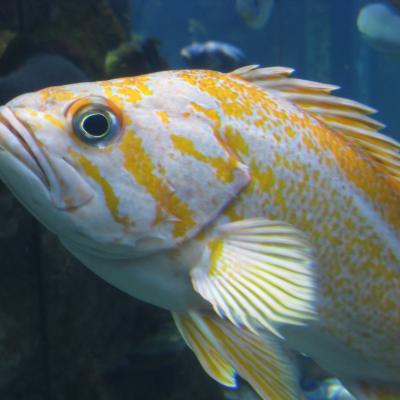
Species of Concern within the Salish Sea nearly double between 2002 and 2013
Approximately every two years, the SeaDoc Society prepares a list of species of concern within the Salish Sea ecosystem. The following paper found 119 species at risk and was presented as part of the proceedings of the 2014 Salish Sea Ecosystem Conference, April 30 – May 2, 2014, Seattle, Washington.
Regional investigations into the effects of CECs
Several research groups in the region are investigating biological markers and/or impacts of Contaminant of Emerging Concern (CEC) exposure in different organisms. An abstract describing each study is included below. Also included are links or contact details for further information about each project.
Regional monitoring of CECs in the Salish Sea
Several studies have been performed to determine the occurrence of selected Contaminants of Emerging Concern (CECs) in the environment.
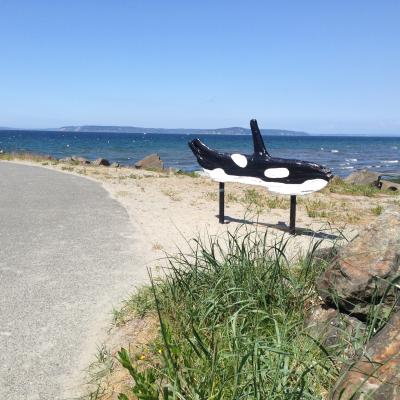
Marine Protected Areas in Puget Sound
Marine Protected Areas (MPAs) have been present in Puget Sound since the early 1900s, although most were established after the 1960s. By 1998 there were at least 102 intertidal and subtidal protected areas in Puget Sound, created and managed by at least 12 different agencies or organizations at the local, county, State and Federal level.
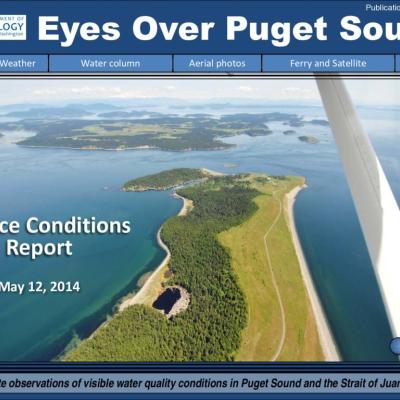
Eyes Over Puget Sound: Surface Conditions Report - May 12, 2014
The weather changed from cool, cloudy and southerlies, to sunny warm conditions and light northerly winds on Mother’s Day. At the water surface, blooms and large debris lines occur in Bellingham, Padilla, and Samish Bays, Hood Canal, East Sound, and the Straits, as well as the finger inlets of South Sound. Large amounts of sediment-laden water from Port Susan are flowing into Central Basin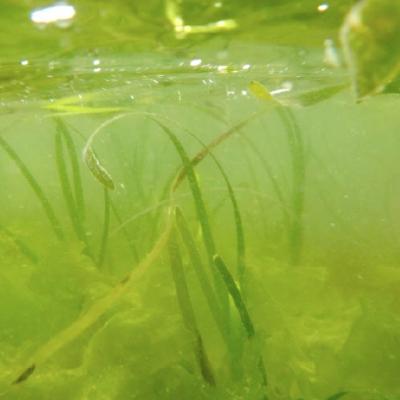
Nitrogen as an Eelgrass Stressor in Puget Sound
Although overall eelgrass abundance appears to be stable in Puget Sound, some local areas are showing declines. A 2014 report from the Washington State Department of Natural Resources looks at the potential impact of increased nitrogen on eelgrass health.
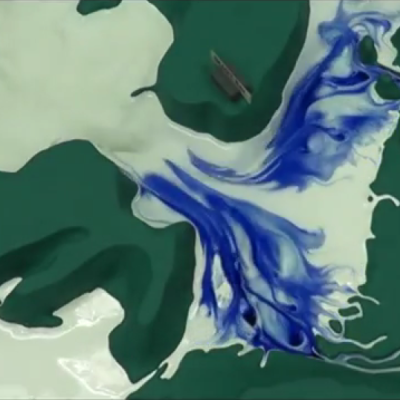
Videos: The Puget Sound Model
The Puget Sound Model was designed and built by the University of Washington School of Oceanography in the early 1950s to simulate the tides and currents of Puget Sound. A series of videos produced by the Encyclopedia of Puget Sound describes its construction and operation.