

All Articles
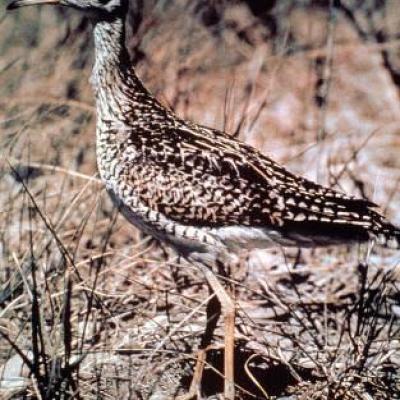
Upland Sandpiper (Bartramia longicauda)
This article was originally published by the Washington Department of Fish and Wildlife as part of its annual report Threatened and Endangered Wildlife in Washington.
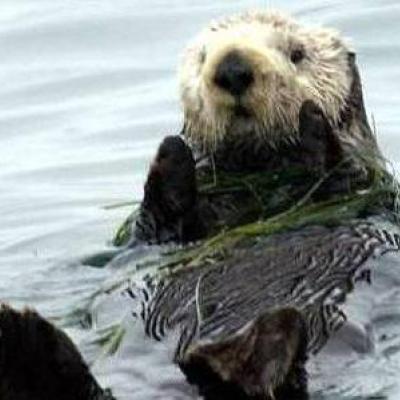
Sea Otter (Enhydra lutris)
This article was originally published by the Washington Department of Fish and Wildlife as part of its annual report Threatened and Endangered Wildlife in Washington.
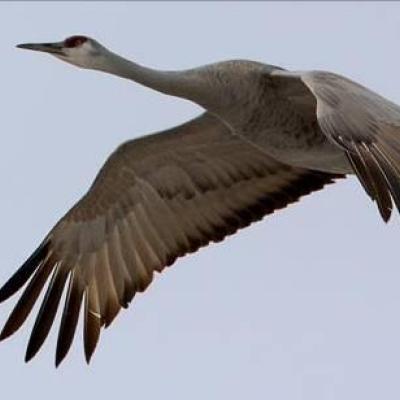
Sandhill Crane (Grus canadensis)
This article was originally published by the Washington Department of Fish and Wildlife as part of its annual report Threatened and Endangered Wildlife in Washington.
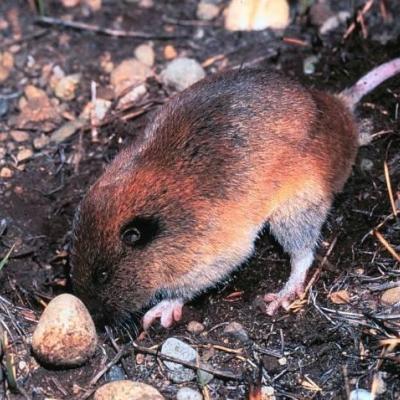
Mazama Pocket Gopher (Thomomys mazama)
This article was originally published by the Washington Department of Fish and Wildlife as part of its annual report Threatened and Endangered Wildlife in Washington.
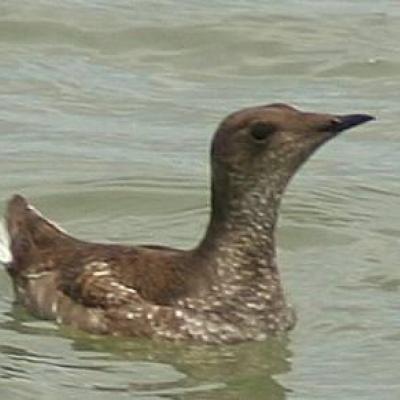
Marbled Murrelet (Brachyramphus marmoratus)
This article was originally published by the Washington Department of Fish and Wildlife as part of its annual report Threatened and Endangered Wildlife in Washington.
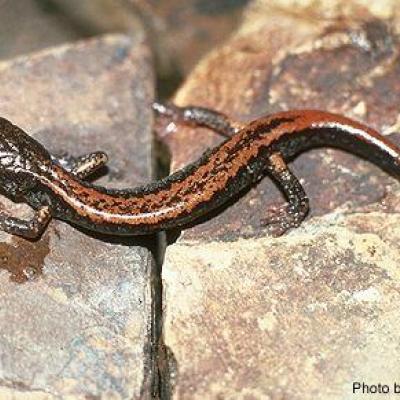
Larch Mountain Salamander (Plethodon larselli)
This article was originally published by the Washington Department of Fish and Wildlife as part of its annual report Threatened and Endangered Wildlife in Washington.
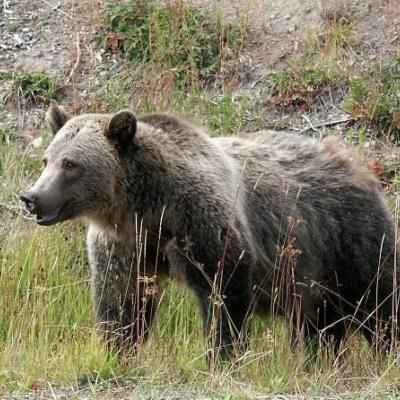
Grizzly Bear (Ursus arctos horribilis)
This article was originally published by the Washington Department of Fish and Wildlife as part of its annual report Threatened and Endangered Wildlife in Washington.
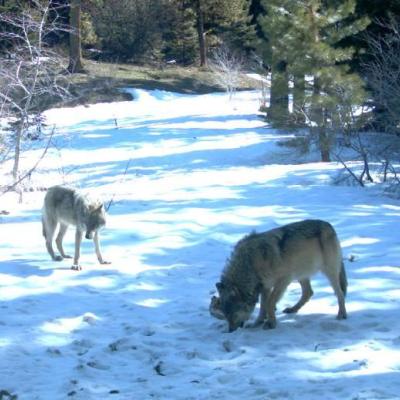
Gray Wolf (Canis lupus)
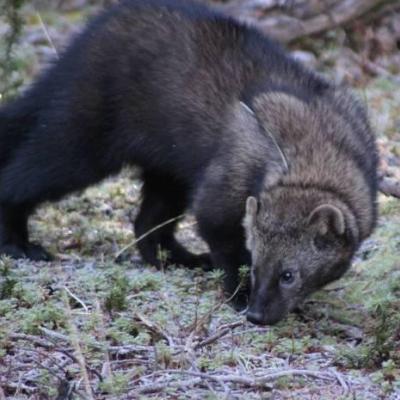
Fisher (Pekania pennanti)
This article was originally published by the Washington Department of Fish and Wildlife as part of its annual report Threatened and Endangered Wildlife in Washington.
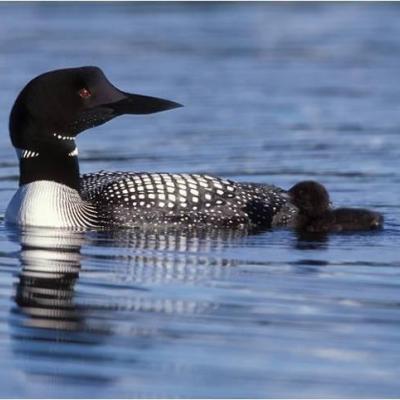
Common Loon (Gavia immer)
This article was originally published by the Washington Department of Fish and Wildlife as part of its annual report Threatened and Endangered Wildlife in Washington.