All Articles
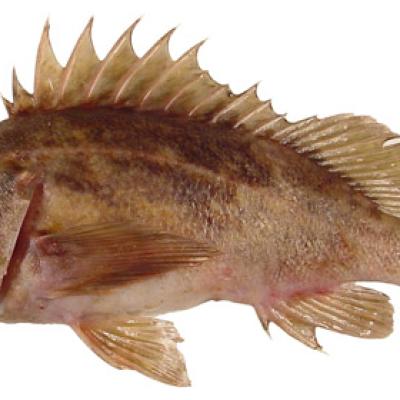
Rockfish
Approximately 27 species of rockfish are reported from Puget Sound, spanning a range of life-history types, habitats, and ecological niches.
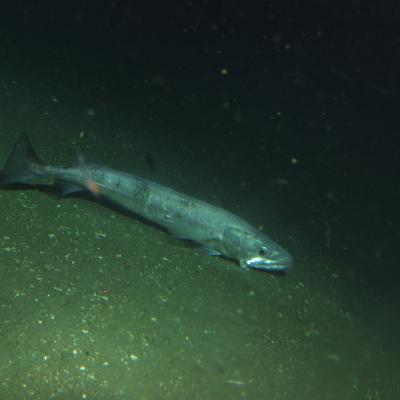
Bentho-pelagic fish in Puget Sound
Bentho-pelagic fish utilize both bottom habitats and shallower portions of the water column, often feeding in shallow water at night and moving to deeper water to form schools during the day.
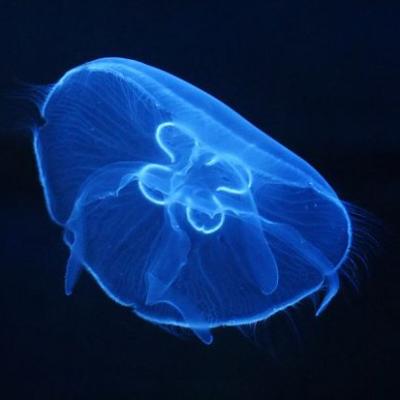
Jellyfish
Recent worldwide increases in the abundance of some jellyfish have been associated with human-caused disturbances to the environment such as eutrophication, overfishing and climate warming.
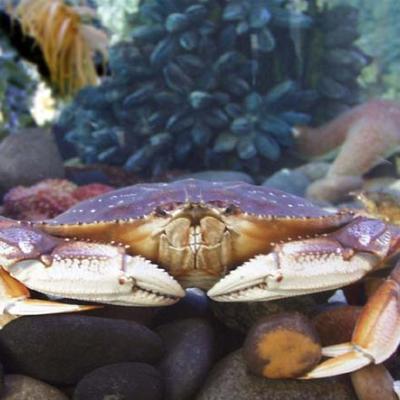
Dungeness crabs in Puget Sound
Dungeness crabs are an important resource in Puget Sound for recreational, commercial, and tribal fisheries. They utilize a variety of habitats over the course of their lives, and are vulnerable to shifts in ocean temperature and water quality.
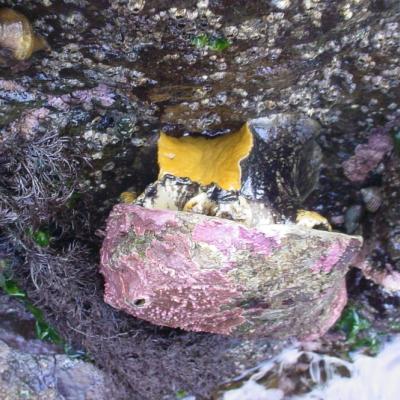
Pinto Abalone in Puget Sound
Pinto abalone are the only abalone species found in Washington State.
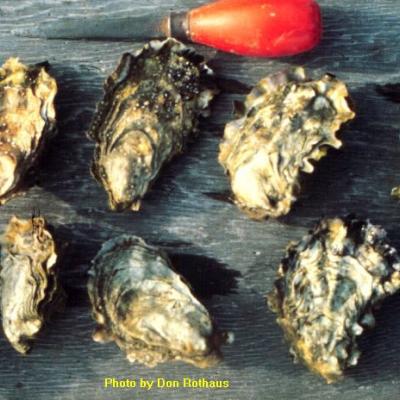
Bivalves in Puget Sound
Many types of bivalves, both native and non-native, flourish in Puget Sound. These species are a crucial part of the Puget Sound ecosystem and are also important for commercial fisheries.
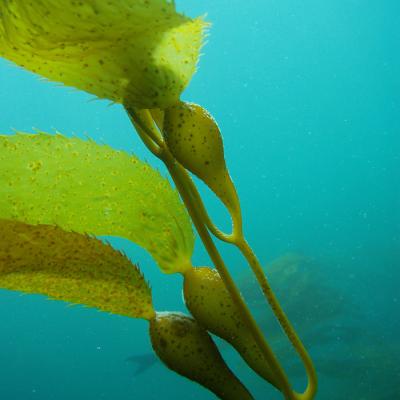
Sweetening the waters - the feasibility and efficacy of measures to protect Washington’s marine resources from ocean acidification
Washington State's ocean acidification initiative began with the launch of Governer Christine Gregoire's Blue Ribbon Panel on Ocean Acidification in December 2011. The initiative is the first of its kind in the country, and a report commissioned by the Global Ocean Health Program was released in November 2012. The report is a first step towards assessing and improving the tools at hand.
Puget Sound watershed hydrologic units
There are many ways of defining the boundaries of the Puget Sound watershed. Hydrologic unit codes (HUCs) are nationally standardized divisions that are often used by conservation agencies and national organizations.
2012 State of the Sound
The Puget Sound Partnership is charged with preparing a State of the Sound report every two years to inform the legislature and the public on the status of restoration efforts in Puget Sound.