Marine habitat

The Marine System encompasses all coastal areas not appreciably diluted by freshwater (surface salinities seldom falling below 30 ppt), including open coastal areas, straits, and euhaline inland waters.  It can extend from the outer edge of the continental shelf to (1) the landward limit of tidal inundation or wave splash or (2) the seaward limit of the Estuarine System.

Source:

Dethier, M.N. 1990. A marine and estuarine habitat classification system for Washington State. Natural Heritage Program, WA DNR, Olympia, WA. 60 pp.

Overview

Each year, the Puget Sound Ecosystem Monitoring Program releases the annual Puget Sound Marine Waters Overview report. The latest report combines a wealth of data from comprehensive monitoring programs and provides a concise summary of what was happening in Puget Sound’s marine waters during 2022. The report represents the collective effort of 84 contributors from federal, tribal, state, and local agencies, academia, nonprofits, and private and volunteer groups.

Image of a sailboat on the water at sunset.Text overlay reads: Puget Sound Marind Waters 2022 Overview.

Related Articles

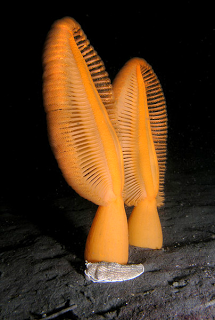
The Orange Sea Pen, also called the Fleshy Sea Pen or Gurney’s Sea Pen, resembles a colorful autumn tree waving in the “breeze” of moving water currents. Article courtesy of the Washington Department of Ecology's Eyes Under Puget Sound series. 

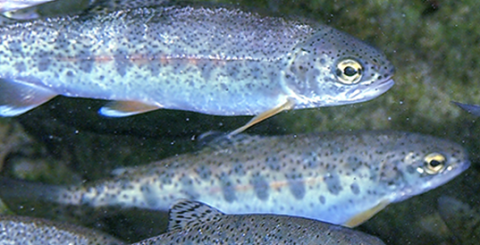
Toxic chemicals have been showing up in Puget Sound fish for more than a century, but consistent testing over the past 30 years has helped to reveal some unusual patterns of pollution.

In recent decades, hundreds of millions of dollars have been spent to restore habitat for Puget Sound salmon. In this article, we look at how scientists are gauging their progress. Are environmental conditions improving or getting worse? The answer may depend on where you look and who you ask.

A biennial report produced by the Governor's Salmon Recovery Office provides stories and data about salmon, habitat, and salmon recovery in Washington, including Puget Sound.

The marine habitat of Puget Sound can be divided up into nearshore, benthic (associated with the sea floor), and pelagic (open water) habitats. This article focuses on the pelagic habitat within the Puget Sound. This article was prepared as part of the 2015 Puget Sound Fact Book produced by the University of Washington Puget Sound Institute. 

A 2017 report from the Puget Sound Ecosystem Monitoring Program presents an overview of selected recent monitoring and research activities focused on toxic contaminants in the Salish Sea.