Marine habitat

The Marine System encompasses all coastal areas not appreciably diluted by freshwater (surface salinities seldom falling below 30 ppt), including open coastal areas, straits, and euhaline inland waters.  It can extend from the outer edge of the continental shelf to (1) the landward limit of tidal inundation or wave splash or (2) the seaward limit of the Estuarine System.

Source:

Dethier, M.N. 1990. A marine and estuarine habitat classification system for Washington State. Natural Heritage Program, WA DNR, Olympia, WA. 60 pp.

Overview

Each year, the Puget Sound Ecosystem Monitoring Program releases the annual Puget Sound Marine Waters Overview report. The latest report combines a wealth of data from comprehensive monitoring programs and provides a concise summary of what was happening in Puget Sound’s marine waters during 2022. The report represents the collective effort of 84 contributors from federal, tribal, state, and local agencies, academia, nonprofits, and private and volunteer groups.

Image of a sailboat on the water at sunset.Text overlay reads: Puget Sound Marind Waters 2022 Overview.

Related Articles

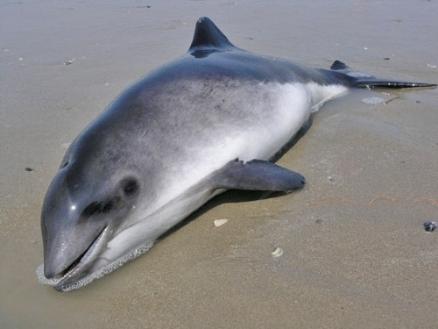
Harbor porpoises were once common in Puget Sound, but had all but disappeared from local waters by the 1970s. Regular and numerous anecdotal sightings in recent years show that populations of these cetaceans are now increasing and may be approaching their former status. The attached document from NOAA Fisheries describes harbor porpoise numbers and their geographic range in Puget Sound as of 2011. 

HARBOR PORPOISE (Phocoena phocoena vomerina): Washington Inland Waters Stock (NOAA Fisheries 2011)

Scientists have identified the strong underwater currents of Puget Sound's Admiralty Inlet as a potential source of electricity for nearby utilities. The following article describes some of the basic principles and mechanisms of tidal energy.  

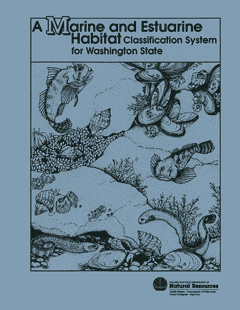
Species and their habitats are a foundation of the ecosystem framework, but there is currently no generally agreed upon habitat classification system for Puget Sound. The closest thing for its marine and nearshore environments may be Dr. Megan Dethier’s 1990 resource A Marine and Estuarine Habitat Classification System for Washington State. Much of the work for that document was done in the general vicinity of Puget Sound, and it has been an influential resource for major habitat mapping efforts in the region, such as Shorezone.

The Puget Sound Model was designed and built in the early 1950s at the University of Washington School of Oceanography as a research and teaching tool for understanding Puget Sound circulation patterns.

A 2014 paper in the journal Water Research sheds new light on a novel ‘in place’ treatment option that effectively lowers risk by reducing the activity of PCBs in sediment.

The Salish Sea Hydrophone Network and Orca Network are two citizen science projects dedicated to furthering our understanding of abundance, distribution, behavior, and habitat use by the endangered population of Southern Resident Killer Whales, also called orcas. The Hydrophone Network lets the public listen for orcas through their computers and phones, while the Orca Network gathers and disseminates sightings of orcas as they move between Puget Sound, the Fraser River, and the Pacific Ocean.