Marine habitat

The Marine System encompasses all coastal areas not appreciably diluted by freshwater (surface salinities seldom falling below 30 ppt), including open coastal areas, straits, and euhaline inland waters.  It can extend from the outer edge of the continental shelf to (1) the landward limit of tidal inundation or wave splash or (2) the seaward limit of the Estuarine System.

Source:

Dethier, M.N. 1990. A marine and estuarine habitat classification system for Washington State. Natural Heritage Program, WA DNR, Olympia, WA. 60 pp.

Overview

Each year, the Puget Sound Ecosystem Monitoring Program releases the annual Puget Sound Marine Waters Overview report. The latest report combines a wealth of data from comprehensive monitoring programs and provides a concise summary of what was happening in Puget Sound’s marine waters during 2022. The report represents the collective effort of 84 contributors from federal, tribal, state, and local agencies, academia, nonprofits, and private and volunteer groups.

Image of a sailboat on the water at sunset.Text overlay reads: Puget Sound Marind Waters 2022 Overview.

Related Articles

Scientists argue that environmental disasters are inevitable and that it is just a matter of when and where they will occur. "Our coasts and oceans routinely experience significant environmental crises," writes Dr. Usha Varanasi, who makes a case for staying ahead of the curve and "frontloading the science." Her 2013 paper in the Washington Journal of Environmental Law & Policy proposes a new model for ecological disaster planning and response, in which baseline ecosystem data and syntheses are collected in advance of possible incidents. 
 

A December 2013 report by the University of Washington Climate Impacts Group projects wide reaching change for the Puget Sound ecosystem and the Pacific Northwest. Lead author: Encyclopedia of Puget Sound climate change topic editor Amy Snover.

In December 2013 NOAA released what it classifies as a "Highly Influential Scientific Assessment" of the effects of anthropogenic sound on marine mammals. The comment period on the draft assessment extends until March 13, 2014. 

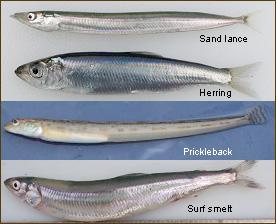
Forage fish represent a critical link in the Puget Sound food web and help to sustain key species like salmon, marine mammals and sea birds. But the region’s forage fish may be vulnerable on a variety of fronts, according to a new study panel report from the University of Washington Puget Sound Institute. Download the panel's summary and proposed research plan.

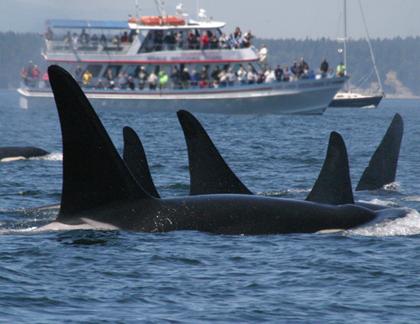
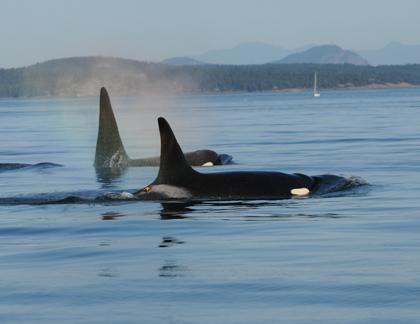
A 2013 article in the journal Animal Conservation compares the effects of increasing anthropogenic noise to habitat loss for endangered fin, humpback and killer whales in the Salish Sea.

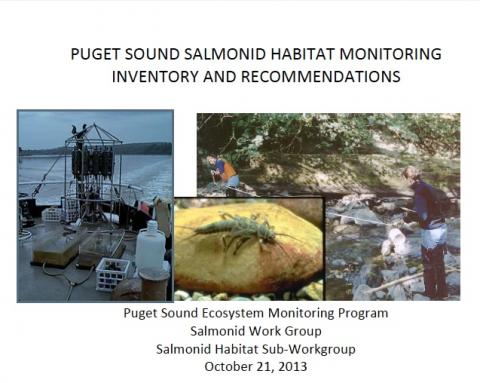
An October 2013 report released by the Puget Sound Ecosystem Monitoring Program inventories and assesses monitoring activities of Puget Sound's ESA-listed salmon and steelhead stocks and habitats.