Nearshore habitat

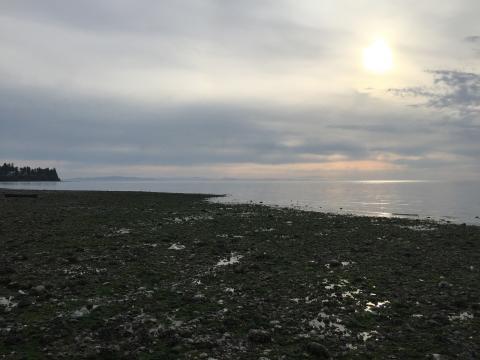
The nearshore habitat of Puget Sound is usually defined as the area from the bluffs that line the shore to the area where water becomes too deep for light to penetrate and allow plants to grow, measured relative to mean lower low water (MLLW). It includes marine habitat and estuarine habitat, but stops at the farthest reach of the tide into an estuary, or the point where saltwater no longer mixes with fresh. Within Puget Sound’s nearshore are many varied habitat types, including rocky and sandy beaches, mudflats, salt marshes, kelp and eelgrass beds, and lagoons.

Sources:

Puget Sound Nearshore Ecosystem Restoration Project: http://www.pugetsoundnearshore.org/technical_reports.html.

Overview

The Puget Sound Nearshore Ecosystem Restoration Project (PSNERP) works to assess the health of Puget Sound nearshore environments and provides strategies for their protection and restoration. 

PSNERP logo

Related Articles

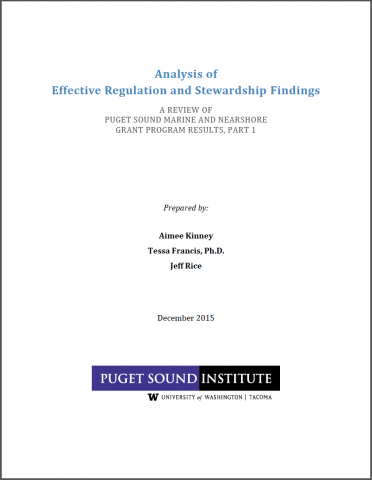
A 2015 report from the University of Washington Puget Sound Institute summarizes and reviews 14 EPA-funded projects focusing on Puget Sound's marine and nearshore environments. The projects were conducted between 2011-2015 with support from the EPA's National Estuary Program.

A 2015 report from the University of Washington provides the most comprehensive assessment to date of the expected impacts of climate change on the Puget Sound region.

The Lower Duwamish Waterway in Puget Sound was designated a Superfund cleanup site in 2001. Its legacy of contamination predates World War II and the waterway continues to pollute Puget Sound through stormwater runoff.

The Puget Sound Fact Book brings together statistics and other information about the health and makeup of the Puget Sound ecosystem. Areas of focus include climate change, geography, water quality, habitats, human dimensions and regional species. The fact book was prepared for the Encyclopedia of Puget Sound with funding from the Environmental Protection Agency and the Puget Sound Partnership.

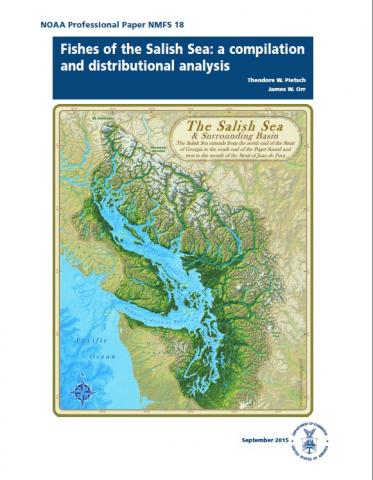
A 2015 NOAA report creates an updated and comprehensive list of the fishes of the Salish Sea. 

In the 1940s, harbor porpoise were among the most frequently sighted cetaceans in Puget Sound, but by the early 1970s they had all but disappeared from local waters. Their numbers have since increased, but they remain a Species of Concern in the state of Washington. This in-depth profile looks at harbor porpoise in the Salish Sea, and was prepared by the SeaDoc Society for inclusion in the Encyclopedia of Puget Sound.