Nearshore habitat

The nearshore habitat of Puget Sound is usually defined as the area from the bluffs that line the shore to the area where water becomes too deep for light to penetrate and allow plants to grow, measured relative to mean lower low water (MLLW). It includes marine habitat and estuarine habitat, but stops at the farthest reach of the tide into an estuary, or the point where saltwater no longer mixes with fresh. Within Puget Sound’s nearshore are many varied habitat types, including rocky and sandy beaches, mudflats, salt marshes, kelp and eelgrass beds, and lagoons.

Sources:

Puget Sound Nearshore Ecosystem Restoration Project: http://www.pugetsoundnearshore.org/technical_reports.html.

Overview

The Puget Sound Nearshore Ecosystem Restoration Project (PSNERP) works to assess the health of Puget Sound nearshore environments and provides strategies for their protection and restoration. 

PSNERP logo

Related Articles

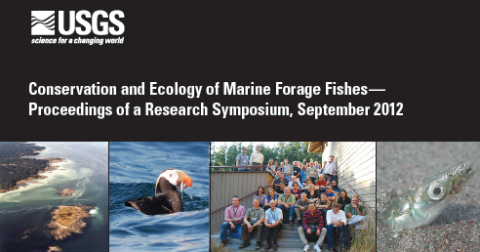
The symposium was held on September 12–14, 2012, at the University of Washington, Friday Harbor Laboratories campus. Sixty scientists, graduate students, and fisheries policy experts convened; showcasing ongoing research, conservation, and management efforts targeting forage fish from regional and national perspectives.

A 2015 paper in the journal Diseases of Aquatic Organisms examines potential causes of increased harbor porpoise strandings in Washington and Oregon.  

This 2008 report highlights the vision and accomplishments of ESRP in advancing an ecosystem restoration strategy in Puget Sound to restore the ecosystem processes that are essential for a self-sustaining coastal ecosystem.

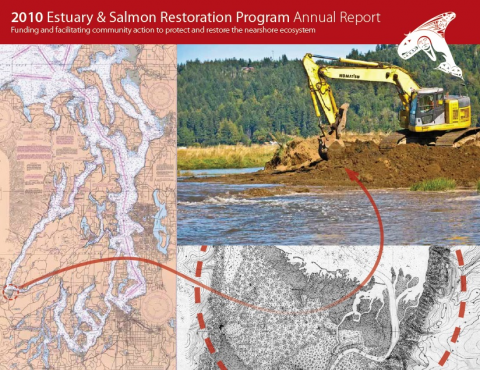
This report highlights the vision and accomplishments of ESRP in advancing an ecosystem restoration strategy in Puget Sound to restore the ecosystem processes that are essential for a self-sustaining coastal ecosystem.

By the end of 2010, the PSP Science Panel’s efforts had reached the stage where an independent review by the WSAS (Washington State Academy of Sciences) was timely and useful to help guide its future indicator development efforts.

This report, Priority science for restoring and protecting Puget Sound: a Biennial Science Work Plan for 2011-2013, identifies priority science and monitoring questions needed to coordinate and implement effective recovery and protection strategies for Puget Sound.