Nearshore habitat

The nearshore habitat of Puget Sound is usually defined as the area from the bluffs that line the shore to the area where water becomes too deep for light to penetrate and allow plants to grow, measured relative to mean lower low water (MLLW). It includes marine habitat and estuarine habitat, but stops at the farthest reach of the tide into an estuary, or the point where saltwater no longer mixes with fresh. Within Puget Sound’s nearshore are many varied habitat types, including rocky and sandy beaches, mudflats, salt marshes, kelp and eelgrass beds, and lagoons.

Sources:

Puget Sound Nearshore Ecosystem Restoration Project: http://www.pugetsoundnearshore.org/technical_reports.html.

Overview

The Puget Sound Nearshore Ecosystem Restoration Project (PSNERP) works to assess the health of Puget Sound nearshore environments and provides strategies for their protection and restoration. 

PSNERP logo

Related Articles

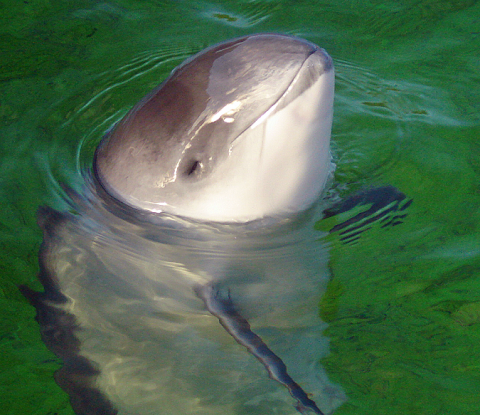
A 2016 technical report from the Washington Department of Fish and Wildlife and the Cascadia Research Collective details the decline of the harbor porpoise in Puget Sound in the 1970s and reports that species numbers have increased over the past twenty years likely due to outside immigration.

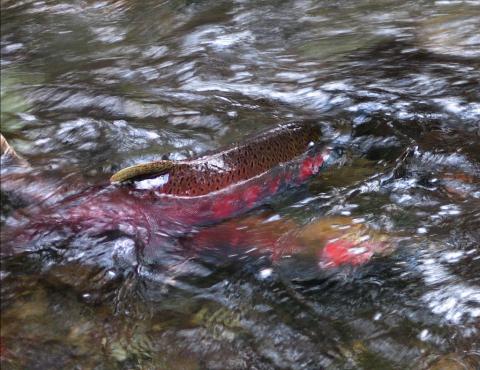
A 2016 paper in Environmental Pollution identifies dozens of pharmaceuticals and other compounds that are accumulating in Puget Sound fish such as salmon.

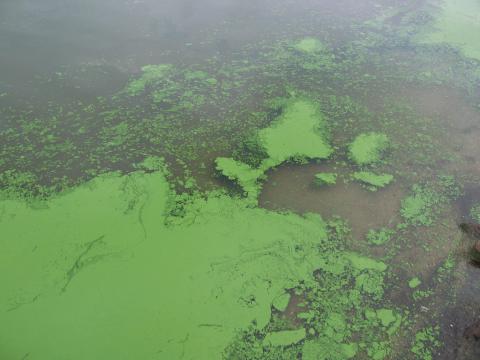
An algal bloom is a rapid increase or accumulation in the population of algae in a water system. While most are innocuous, there are a small number of algae species that produce harmful toxins to humans and animals.

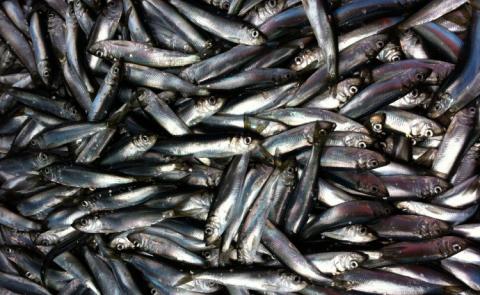
A 2016 paper in the journal Oecologia describes how individual herring populations in Puget Sound exhibit a portfolio effect, collectively influencing and stabilizing the region’s population as a whole. 

Complex physical processes such as hydrology, nutrient cycling, and sediment transport are linked to water circulation patterns in Puget Sound. 

This overview discusses the processes that control ocean and climate characteristics. Topics include atmospheric forcing, precipitation patterns, oscillation trends, coastal upwelling, and climate change.