Nearshore habitat

The nearshore habitat of Puget Sound is usually defined as the area from the bluffs that line the shore to the area where water becomes too deep for light to penetrate and allow plants to grow, measured relative to mean lower low water (MLLW). It includes marine habitat and estuarine habitat, but stops at the farthest reach of the tide into an estuary, or the point where saltwater no longer mixes with fresh. Within Puget Sound’s nearshore are many varied habitat types, including rocky and sandy beaches, mudflats, salt marshes, kelp and eelgrass beds, and lagoons.

Sources:

Puget Sound Nearshore Ecosystem Restoration Project: http://www.pugetsoundnearshore.org/technical_reports.html.

Overview

The Puget Sound Nearshore Ecosystem Restoration Project (PSNERP) works to assess the health of Puget Sound nearshore environments and provides strategies for their protection and restoration. 

PSNERP logo

Related Articles

This overview discusses the processes that control ocean and climate characteristics. Topics include atmospheric forcing, precipitation patterns, oscillation trends, coastal upwelling, and climate change.

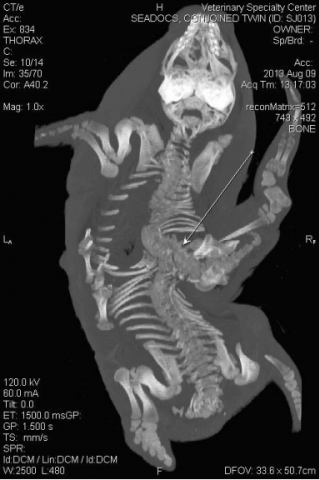
This article describes the first known case of conjoined twins in a harbor seal. The case was documented in the Salish Sea region where harbor seals are often used as indicators of contaminant levels. However, researchers say their findings do not support that this anomaly was due to any common contaminants and hypothesize that the twinning was caused by disordered embryo migration and fusion. 

Runoff from rain and melting snow is one of the leading causes of pollution in Puget Sound. Here are selected facts related to stormwater, its prevalence, how it affects the Puget Sound ecosystem, and its environmental and economic impacts.

Chinook, coho and steelhead populations in Puget Sound have declined dramatically over the past 30 years. In some cases, counts of fish returning to the rivers are just a tenth what they were in the 1980s. While many possible causes of this decline are under consideration, some researchers are focusing on the combined effects of predators and disease. This article continues our coverage of the ecological impacts of disease in Puget Sound.

From orcas to starfish to humans, disease affects every living creature in the ecosystem. Scientists are increasingly alarmed by its potential to devastate already compromised populations of species in Puget Sound.  

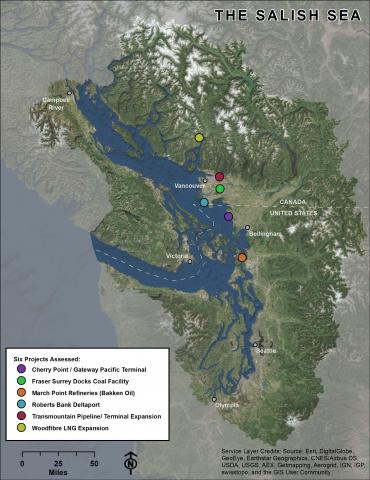
A 2015 paper in the journal PLoS ONE identifies ongoing and proposed energy-related development projects that will increase marine vessel traffic in the Salish Sea. It evaluates the threats each project poses to natural resources important to Coast Salish first nations and tribes.