

Find content specifically related to mammals of the Puget Sound and Salish Sea ecosystems. For checklists and descriptive accounts of individual species, visit our species library.
Additional resources:
Find content specifically related to mammals of the Puget Sound and Salish Sea ecosystems. For checklists and descriptive accounts of individual species, visit our species library.
Additional resources:
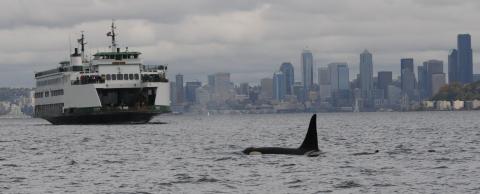
While a scarcity of Chinook salmon and other environmental factors may be pushing the Southern Resident killer whales toward extinction, a new genetics study has revealed that inbreeding has been exerting a powerful, overriding influence upon the small, genetically isolated population.

The Washington State Department of Ecology has reached one hundred Eyes Over Puget Sound reports. Since 2011, Ecology has provided aerial observations and documented visible features at the surface of Puget Sound from a floatplane. This unique perspective from the air featured Puget Sound's natural beauty, its oceanographic complexity, and its ecological treasures. It also raised awareness of the challenges that the water body is facing today. Our image-rich documentation of known eutrophication indicators ranges from algal and Noctiluca blooms to macroalgae, jellyfish, and human stressors. It provides a visually captivating time-capsule of issues facing Puget Sound. The report is rich in educational and outreach material, inspired numerous news reports, and drew academic and public attention during the period of marine heat wave of the north Pacific, The Blob.

Environmental reporter Christopher Dunagan remembers the life and influence of pioneering orca researcher Ken Balcomb.

Occasionally, our magazine includes reports and essays from guest writers on the subject of Puget Sound ecosystem recovery. Biologist and author Eric Wagner has this look at an ongoing harbor seal survey at the mouth of the Stillaguamish River. Wagner says the study hinges on a basic question: Who is eating the salmon?

It has been four summers since a mother orca’s dramatic vigil brought worldwide attention to the plight of Puget Sound’s southern resident killer whales. A recent gathering of legal experts, conservationists, and academic scholars looked at how perceptions of the whales have changed since then and whether laws and policies should reflect new thinking about ethical responsibilities to orcas and other animals.