

Find content specifically related to mammals of the Puget Sound and Salish Sea ecosystems. For checklists and descriptive accounts of individual species, visit our species library.
Additional resources:
Find content specifically related to mammals of the Puget Sound and Salish Sea ecosystems. For checklists and descriptive accounts of individual species, visit our species library.
Additional resources:

Collisions with boats and other interactions with humans are "significant" causes of death for killer whales in the northeastern Pacific, a recent study says. The findings come from one of the most comprehensive looks at killer whale pathology to date, but scientists say determining how a killer whale may have died is often notoriously difficult.

Harbor seals and harbor porpoises in the Salish Sea are showing a relatively high presence of antibiotic-resistant bacteria. A 2021 paper in the journal Oceans suggests that these findings may indicate a wider problem among other species in the region.
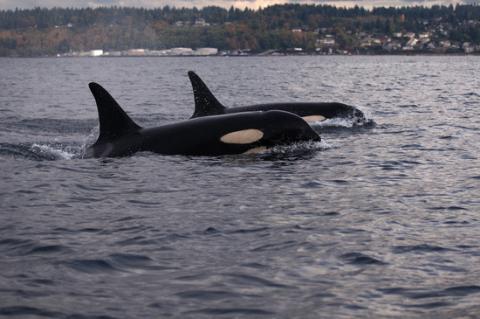
A 2020 study of pathology reports for 53 stranded killer whales in the northeastern Pacific and Hawaii showed that deaths related to human interaction were found in every age class. Vessel strikes accounted for the deaths of four of the nine endangered southern resident killer whales identified in the study. The findings were published Dec. 2 in the journal PLOS ONE.

A new report from the Puget Sound Ecosystem Monitoring Program details the effects of a changing climate on Puget Sound in 2019, and documents how these changes moved through the ecosystem to affect marine life and seafood consumers.
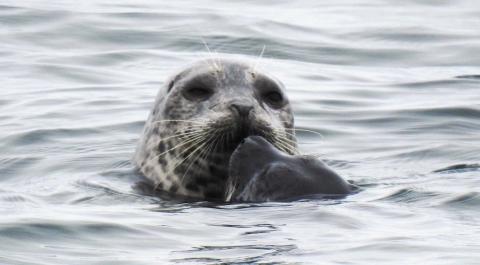
A study published in Marine Mammal Science in June 2020 followed the movements and behavior of rehabilitated harbor seal pups after being released into the Salish Sea. The results suggest that although their movements differ from wild pups that have been weaned, the rehabilitated pups do successfully make the transition.

Tiny bone samples show that seals alter their diets as conditions change. The findings could help scientists understand whether seals are contributing to local salmon declines.