

Find content specifically related to mammals of the Puget Sound and Salish Sea ecosystems. For checklists and descriptive accounts of individual species, visit our species library.
Additional resources:
Find content specifically related to mammals of the Puget Sound and Salish Sea ecosystems. For checklists and descriptive accounts of individual species, visit our species library.
Additional resources:

Salmon restoration groups are learning how to work with beavers to create better salmon habitat. The process hinges on reducing human-beaver conflicts while taking a natural approach to ecosystem recovery. The beavers are happy to help.
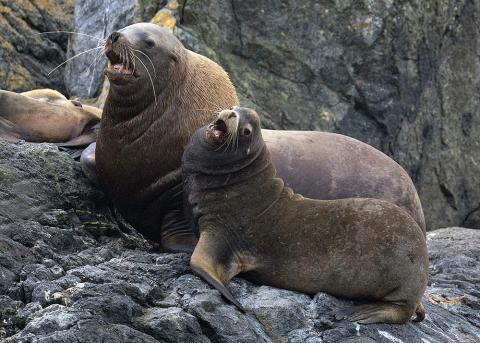
Steller sea lions use Puget Sound as a feeding area from autumn through spring when they are not breeding in British Columbia and Alaska during summer. While the Western Stock of the species is considered Endangered under the US Endangered Species Act (ESA), the Eastern Stock, which occurs in Puget Sound, is increasing in numbers and not listed under the ESA.
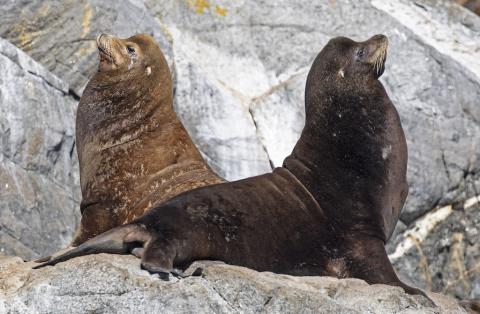
California sea lions have become common in Puget Sound in non-summer months. The overall trend for the population has been a dramatic increase in numbers since the species was protected in 1972. They are opportunistic feeders that often target herring and juvenile salmon and steelhead species in Puget Sound.

The Salish Sea may be a giant ‘practice room’ for humpback whales as they get ready to sing in their winter breeding grounds in Hawaii and Mexico. A network of hydrophones is recording it all.

A 2023 report from the Puget Sound Ecosystem Monitoring Program presents an overview of selected recent monitoring and research activities focused on toxic contaminants in the Salish Sea.

The three-dimensional Atlantis model can represent physical, chemical and biological processes and can incorporate direct human involvement, such as fisheries management, habitat improvements and economic outcomes. It has been used to study the food web to determine whether salmon in Puget Sound are more threatened by predators or by the lack of a stable food supply and to evaluate specific recovery actions to help the endangered Southern Resident killer whales.