

All Articles
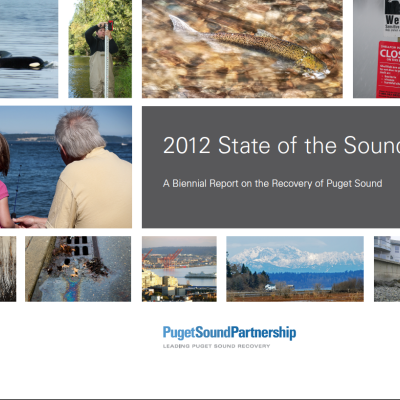
2012 State of the Sound
The Puget Sound Partnership is charged with preparing a State of the Sound report every two years to inform the legislature and the public on the status of restoration efforts in Puget Sound.
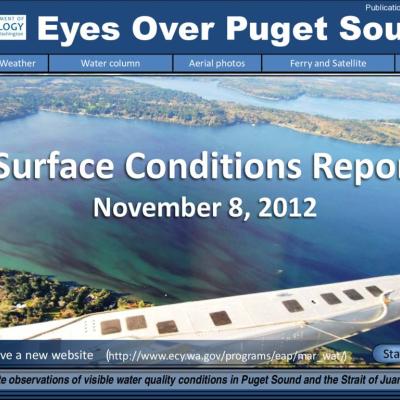
Eyes Over Puget Sound: Surface Conditions Report - November 8, 2012
Temperatures range from 9-11°C. Red-brown blooms and jellyfish continue in terminal inlets. Low fluorescence throughout Central Sound and Admiralty Inlet. Since 2011 much colder and much fresher and oxygen levels are up.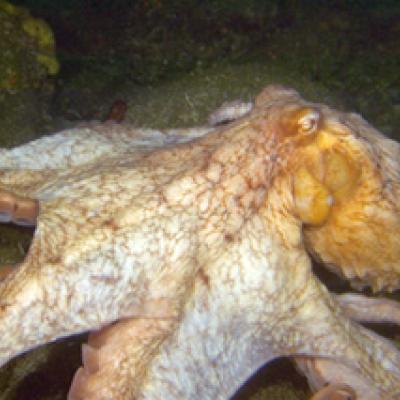
Giant Pacific Octopus
GIANT PACIFIC OCTOPUS (Enteroctopus dofleini) is the largest species of octopus in the world. It is found in the northern Pacific Ocean from the northwest coast of the continental United States to Japan, including Puget Sound.
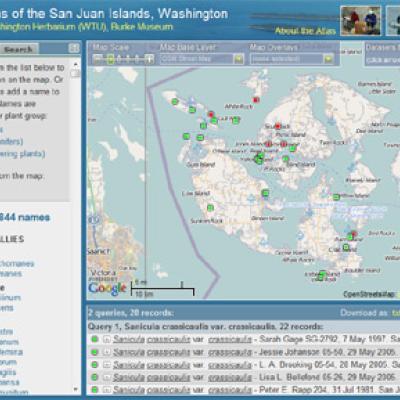
The watershed: A floristic atlas of the San Juan Islands
The Floristic Atlas of the San Juan Islands was created by the University of Washington Herbarium and provides a tool for mapping and comparing the distributions of vascular plant species within the San Juan Islands of Washington.
Well-being indicators in the Puget Sound Basin
A summary and categorization of types of social indicators and metrics used by government and non-government agencies in the Puget Sound Basin.
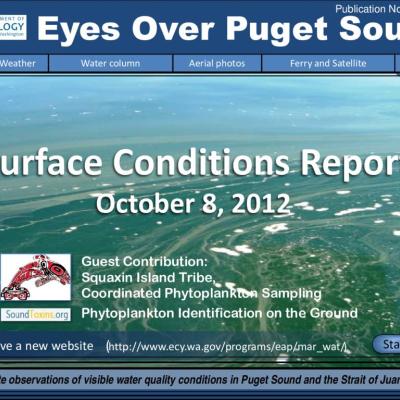
Eyes Over Puget Sound: Surface Conditions Report - October 8, 2012
Low to moderate fluorescence in northern Puget Sound. Red-brown blooms, and large jellyfish aggregations in the inlets of South and Central Sound. Dry weather and decreased thickness of the freshwater layer in Possession Sound.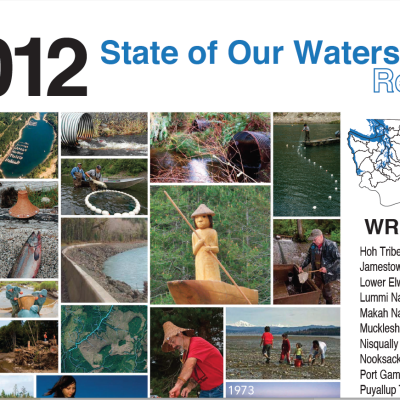
Report: 2012 State of Our Watersheds
The State of Our Watersheds Report is produced by the treaty tribes of western Washington, and seeks to present a comprehensive view of 20 watersheds in the Puget Sound region and the major issues that are impacting habitat.
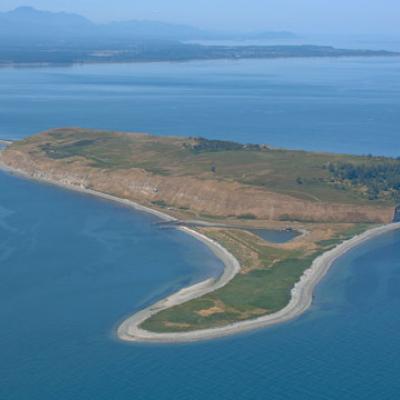
Protection Island
Protection Island, a National Wildlife Refuge in the Strait of Juan de Fuca, provides important habitat for seabirds and marine mammals.
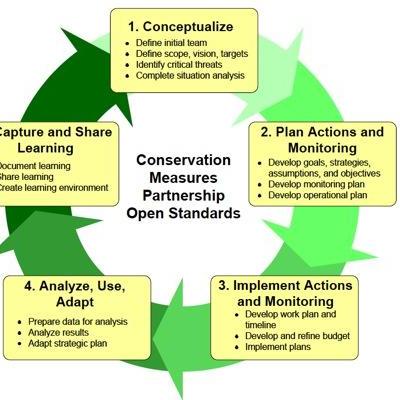
Open Standards
Open Standards seek to build a common language and framework for decision making and prioritization of conservation issues.
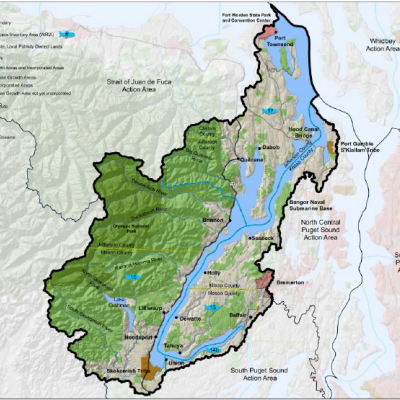
Review finds minimal evidence for human impacts on Hood Canal hypoxia
An independent review conducted by the Puget Sound Institute (PSI) is featured in findings by the Environmental Protection Agency and the Washington State Department of Ecology that there is currently “no compelling evidence” that humans are the cause for recent trends in declines in dissolved oxygen in Hood Canal.