

All Articles
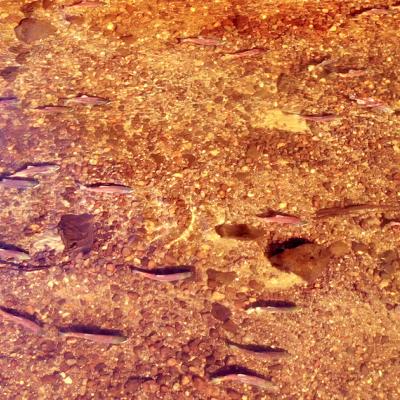
Lost freshwater salmon population may still inhabit Lake Washington
Scientists think they may have discovered a lost population of native kokanee salmon in Lake Washington. Salmon watchers are monitoring local creeks this fall to confirm the finding.
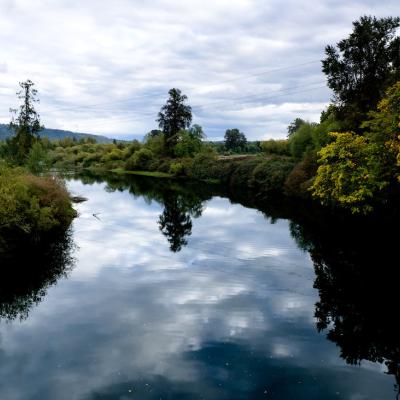
Puget Sound National Estuary Program Synthesis of Integrated Floodplain Management in Selected Puget Sound River Deltas
A 2021 synthesis report from the University of Washington Puget Sound Institute synthesizes leading integrated floodplain management approaches to support the EPA-funded Floodplains and Estuaries Implementation Strategy.
Puget Sound Marine Waters 2020 Overview
The tenth annual Puget Sound Marine Waters Overview looks at marine water quality and other conditions in the region in 2020. According to the report, there were few extreme weather or ecological events in 2020, but overall, conditions in Puget Sound were generally warmer, sunnier, and wetter than in typical years. The overview also examines patterns and trends in numerous environmental parameters
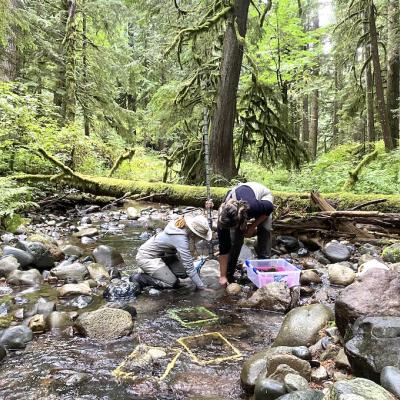
Can 'bug seeding' improve the health of local creeks?
Bug seeding involves moving beneficial insects and other aquatic invertebrates from healthy streams to streams where these creatures are missing from the food web.
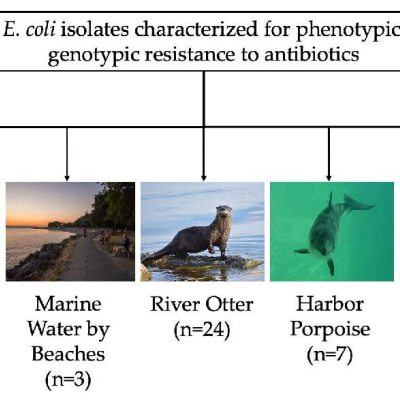
Surveillance for antibiotic-resistant E.coli in the Salish Sea ecosystem
A 2021 study published in the journal Antibiotics suggests that animals may be potential sentinels for antibiotic-resistant and extraintestinal pathogenic E. coli in the Salish Sea ecosystem.
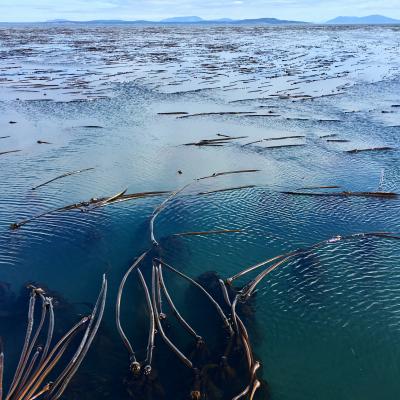
New studies aid kelp conservation
Bull kelp is easily recognized by its wavy leaves and long, floating stipes that sometimes wash ashore like slimy green bullwhips. In that sense, it is one of the more familiar types of seaweed in Puget Sound. But as kelp forests decline throughout the region, scientists are finding that there is much about this increasingly rare species that remains a mystery.
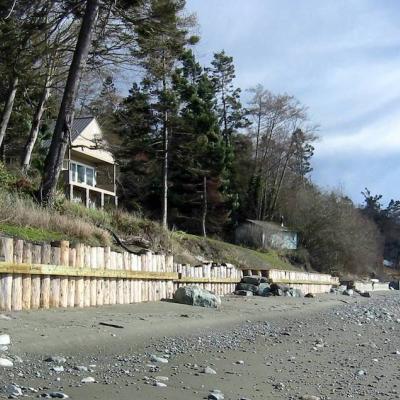
Shared shorelines, shared meanings?: Examining place meaning in Puget Sound (extended abstract)
A 2021 article in the journal Applied Geography examines perceptions of shorelines in the Puget Sound region. A community survey described in the article showed that local residents preferred undeveloped shorelines to shorelines with armored structures such as seawalls and bulkheads.
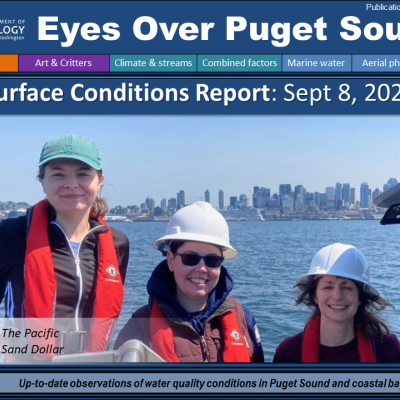
Eyes Over Puget Sound: Surface Conditions Report - September 8, 2021
This summer river flows were generally lower than in 2020. And in August, high air temperatures and low precipitation continued, following a drought emergency declaration in mid-July that affected also marine conditions. The higher-than-normal salinity anomaly which persisted during summer in Puget Sound marine water is, however, eroding away, and lower-than-normal oxygen conditions developed in
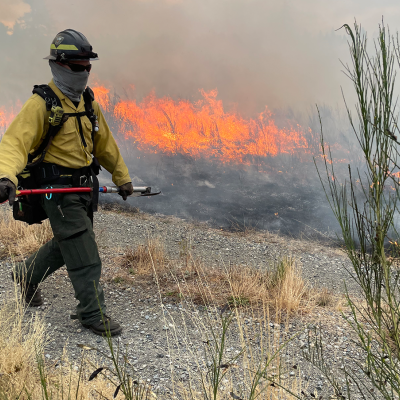
Controlled burn in Puget Sound prairie habitat
Raging wildfires can be an ecological disaster, especially as the planet warms due to climate change. But in small doses, some wildfires are actually beneficial. In prairie habitats, fires can enrich soils and maintain native plant species. In late September, state wildlife biologists oversaw several controlled burns near Joint Base Lewis-McChord (JBLM) as part of an effort to preserve habitat for
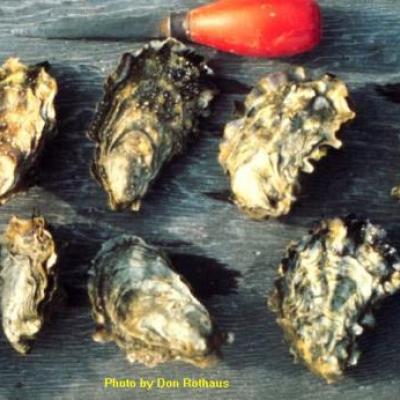
Regional perspectives on the effectiveness of Puget Sound shellfish recovery actions
A 2021 report commissioned by the Washington State Department of Natural Resources identifies potential actions at the state or local level, or in combination, that could further bolster shellfish bed recovery in support of the Puget Sound Partnership's shellfish bed recovery target.