Marine habitat

The Marine System encompasses all coastal areas not appreciably diluted by freshwater (surface salinities seldom falling below 30 ppt), including open coastal areas, straits, and euhaline inland waters.  It can extend from the outer edge of the continental shelf to (1) the landward limit of tidal inundation or wave splash or (2) the seaward limit of the Estuarine System.

Source:

Dethier, M.N. 1990. A marine and estuarine habitat classification system for Washington State. Natural Heritage Program, WA DNR, Olympia, WA. 60 pp.

Overview

Each year, the Puget Sound Ecosystem Monitoring Program releases the annual Puget Sound Marine Waters Overview report. The latest report combines a wealth of data from comprehensive monitoring programs and provides a concise summary of what was happening in Puget Sound’s marine waters during 2022. The report represents the collective effort of 84 contributors from federal, tribal, state, and local agencies, academia, nonprofits, and private and volunteer groups.

Image of a sailboat on the water at sunset.Text overlay reads: Puget Sound Marind Waters 2022 Overview.

Related Articles

The number of species of concern in the Salish Sea is growing at an average annual rate of 2.6%, according to a report published in the proceedings of the 2016 Salish Sea Ecosystem Conference in Vancouver, B.C.

The number of species of concern in the Salish Sea is growing at an average annual rate of 2.6%, according to a report published in the proceedings of the 2016 Salish Sea Ecosystem Conference in Vancouver, B.C.

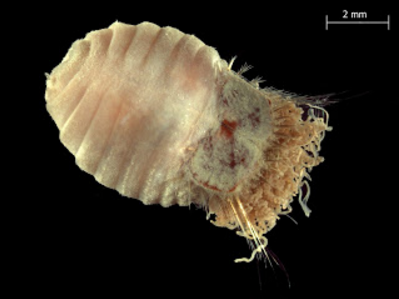
The genus Sternaspis is comprised of sedentary invertebrates with short and thick anterior setae. The dumbbell worm (Sternaspis affinis) can be found on the West Coast of North America, from Alaska to the Gulf of California.

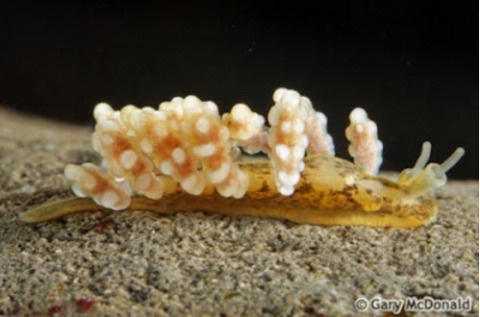
The Doto is a species of sea slug, also known as a nudibranch. It is a marine gastropod in the family Dotidae. This species was first discovered in British Columbia and has been reported as far south as Santa Barbara, California.

Priapula are a small phylum of small, worm-like animals found in Puget Sound. They occur in most seas, both tropical and polar, at a variety of depths, from shallow coastal waters to as far down as 7,200 meters. 

Sea pens are marine cnidarians that belong to the order Pennatulacea. They are colonial organisms, composed of specialized polyps.