Marine habitat

The Marine System encompasses all coastal areas not appreciably diluted by freshwater (surface salinities seldom falling below 30 ppt), including open coastal areas, straits, and euhaline inland waters.  It can extend from the outer edge of the continental shelf to (1) the landward limit of tidal inundation or wave splash or (2) the seaward limit of the Estuarine System.

Source:

Dethier, M.N. 1990. A marine and estuarine habitat classification system for Washington State. Natural Heritage Program, WA DNR, Olympia, WA. 60 pp.

Overview

Each year, the Puget Sound Ecosystem Monitoring Program releases the annual Puget Sound Marine Waters Overview report. The latest report combines a wealth of data from comprehensive monitoring programs and provides a concise summary of what was happening in Puget Sound’s marine waters during 2022. The report represents the collective effort of 84 contributors from federal, tribal, state, and local agencies, academia, nonprofits, and private and volunteer groups.

Image of a sailboat on the water at sunset.Text overlay reads: Puget Sound Marind Waters 2022 Overview.

Related Articles

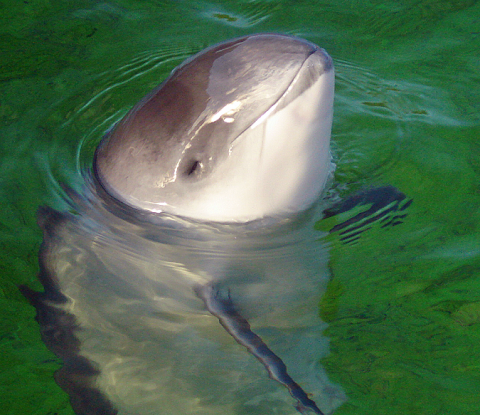
A 2016 technical report from the Washington Department of Fish and Wildlife and the Cascadia Research Collective details the decline of the harbor porpoise in Puget Sound in the 1970s and reports that species numbers have increased over the past twenty years likely due to outside immigration.

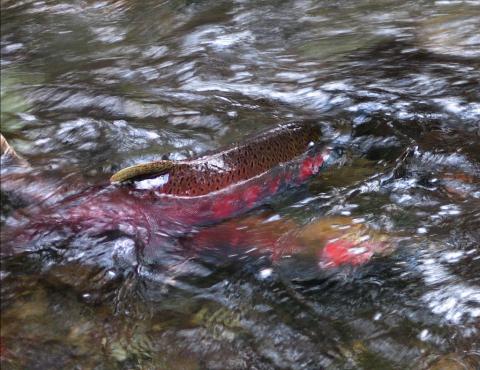
A 2016 paper in Environmental Pollution identifies dozens of pharmaceuticals and other compounds that are accumulating in Puget Sound fish such as salmon.

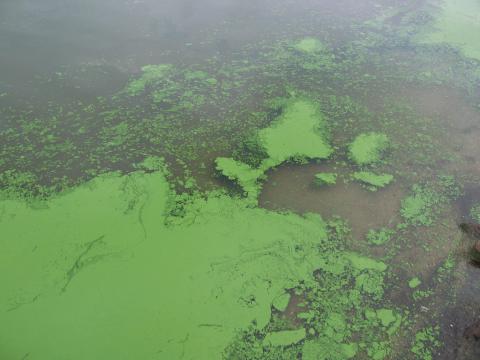
An algal bloom is a rapid increase or accumulation in the population of algae in a water system. While most are innocuous, there are a small number of algae species that produce harmful toxins to humans and animals.

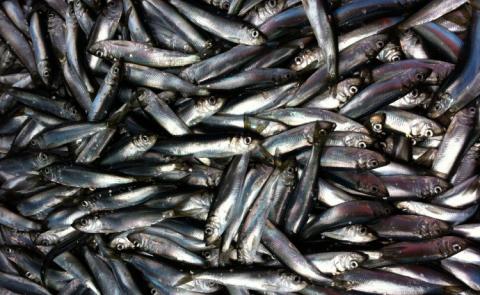
A 2016 paper in the journal Oecologia describes how individual herring populations in Puget Sound exhibit a portfolio effect, collectively influencing and stabilizing the region’s population as a whole. 

Complex physical processes such as hydrology, nutrient cycling, and sediment transport are linked to water circulation patterns in Puget Sound. 

This overview discusses the processes that control ocean and climate characteristics. Topics include atmospheric forcing, precipitation patterns, oscillation trends, coastal upwelling, and climate change.