Marine habitat

The Marine System encompasses all coastal areas not appreciably diluted by freshwater (surface salinities seldom falling below 30 ppt), including open coastal areas, straits, and euhaline inland waters.  It can extend from the outer edge of the continental shelf to (1) the landward limit of tidal inundation or wave splash or (2) the seaward limit of the Estuarine System.

Source:

Dethier, M.N. 1990. A marine and estuarine habitat classification system for Washington State. Natural Heritage Program, WA DNR, Olympia, WA. 60 pp.

Overview

Each year, the Puget Sound Ecosystem Monitoring Program releases the annual Puget Sound Marine Waters Overview report. The latest report combines a wealth of data from comprehensive monitoring programs and provides a concise summary of what was happening in Puget Sound’s marine waters during 2022. The report represents the collective effort of 84 contributors from federal, tribal, state, and local agencies, academia, nonprofits, and private and volunteer groups.

Image of a sailboat on the water at sunset.Text overlay reads: Puget Sound Marind Waters 2022 Overview.

Related Articles

A 2015 review in Ocean & Coastal Management looks at trends in research related to anthropogenic noise and its affect on a wide variety of marine organisms, from whales and fish to invertebrates. The review includes case studies from the Salish Sea. 

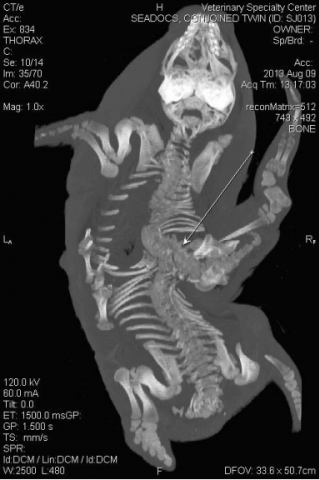
This article describes the first known case of conjoined twins in a harbor seal. The case was documented in the Salish Sea region where harbor seals are often used as indicators of contaminant levels. However, researchers say their findings do not support that this anomaly was due to any common contaminants and hypothesize that the twinning was caused by disordered embryo migration and fusion. 

Chinook, coho and steelhead populations in Puget Sound have declined dramatically over the past 30 years. In some cases, counts of fish returning to the rivers are just a tenth what they were in the 1980s. While many possible causes of this decline are under consideration, some researchers are focusing on the combined effects of predators and disease. This article continues our coverage of the ecological impacts of disease in Puget Sound.

From orcas to starfish to humans, disease affects every living creature in the ecosystem. Scientists are increasingly alarmed by its potential to devastate already compromised populations of species in Puget Sound.  

A 2015 paper in the journal PLoS ONE identifies ongoing and proposed energy-related development projects that will increase marine vessel traffic in the Salish Sea. It evaluates the threats each project poses to natural resources important to Coast Salish first nations and tribes.

A 2015 report from the Whatcom Conservation District and Whatcom County describes a pilot watershed characterization study focusing on the Terrell Creek and Birch Bay areas. The report and related appendices are available for download.