Marine habitat

The Marine System encompasses all coastal areas not appreciably diluted by freshwater (surface salinities seldom falling below 30 ppt), including open coastal areas, straits, and euhaline inland waters.  It can extend from the outer edge of the continental shelf to (1) the landward limit of tidal inundation or wave splash or (2) the seaward limit of the Estuarine System.

Source:

Dethier, M.N. 1990. A marine and estuarine habitat classification system for Washington State. Natural Heritage Program, WA DNR, Olympia, WA. 60 pp.

Overview

Each year, the Puget Sound Ecosystem Monitoring Program releases the annual Puget Sound Marine Waters Overview report. The latest report combines a wealth of data from comprehensive monitoring programs and provides a concise summary of what was happening in Puget Sound’s marine waters during 2022. The report represents the collective effort of 84 contributors from federal, tribal, state, and local agencies, academia, nonprofits, and private and volunteer groups.

Image of a sailboat on the water at sunset.Text overlay reads: Puget Sound Marind Waters 2022 Overview.

Related Articles

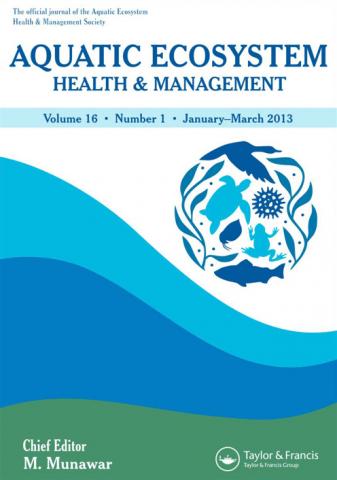
A December 2014 paper in the journal Aquatic Ecosystem Health & Management describes a project to identify transboundary ecosystem indicators for the Salish Sea. 

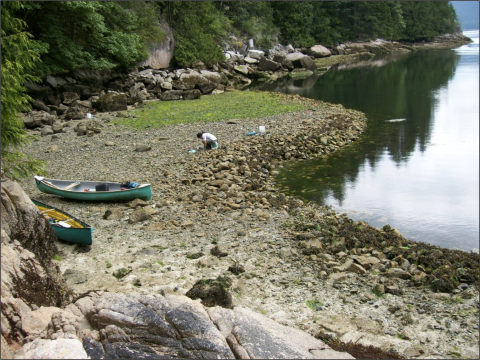
Northwest Coast First Peoples made clam garden terraces to expand ideal clam habitat at tidal heights that provided optimal conditions for clam growth and survival, therefore enhancing food production and increasing food security.

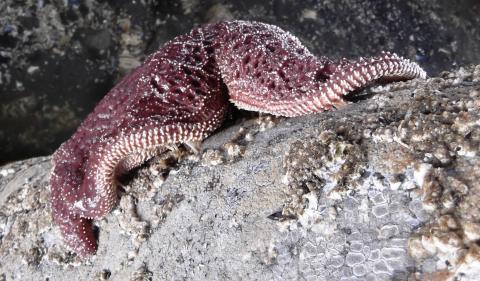
A virus is the likely cause of sea-star die-offs on the Northeast Pacific Coast and in Puget Sound, according to a November 2014 paper published in the Proceedings of the National Academy of Sciences.

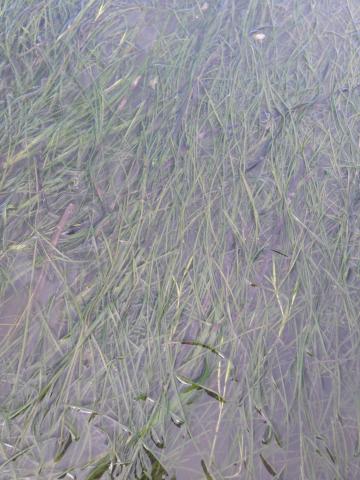
A 2014 literature review in the journal Ocean & Coastal Management suggests negative effects of nonnative eelgrass on the native species. 

A report from the Tacoma-Pierce County Health Department describes the results of a project to address threats to water quality in Pierce County, focusing on shellfish areas most at risk.

The decaying seawall along Seattle’s waterfront is providing scientists with an opportunity to improve long-lost habitat for migrating salmon. It could also show the way for habitat enhancements to crumbling infrastructure worldwide. One University of Washington researcher describes the project.