Marine habitat

The Marine System encompasses all coastal areas not appreciably diluted by freshwater (surface salinities seldom falling below 30 ppt), including open coastal areas, straits, and euhaline inland waters.  It can extend from the outer edge of the continental shelf to (1) the landward limit of tidal inundation or wave splash or (2) the seaward limit of the Estuarine System.

Source:

Dethier, M.N. 1990. A marine and estuarine habitat classification system for Washington State. Natural Heritage Program, WA DNR, Olympia, WA. 60 pp.

Overview

Each year, the Puget Sound Ecosystem Monitoring Program releases the annual Puget Sound Marine Waters Overview report. The latest report combines a wealth of data from comprehensive monitoring programs and provides a concise summary of what was happening in Puget Sound’s marine waters during 2022. The report represents the collective effort of 84 contributors from federal, tribal, state, and local agencies, academia, nonprofits, and private and volunteer groups.

Image of a sailboat on the water at sunset.Text overlay reads: Puget Sound Marind Waters 2022 Overview.

Related Articles

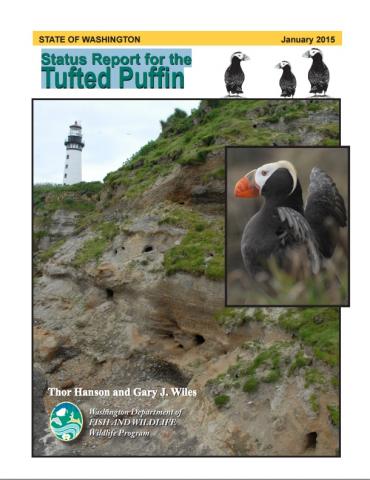
A 2015 report from the Washington Department of Fish and Wildlife reviews information relevant to the status of the tufted puffin in Washington and addresses factors affecting this status. 

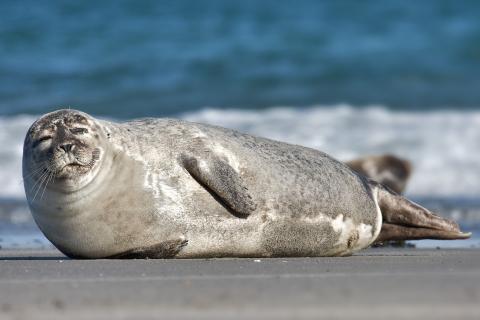
A 2015 article published in the Marine Ecology Progress Series identifies intraspecific differences in diet between harbor seals in the Salish Sea, suggesting implications for marine reserve management. 

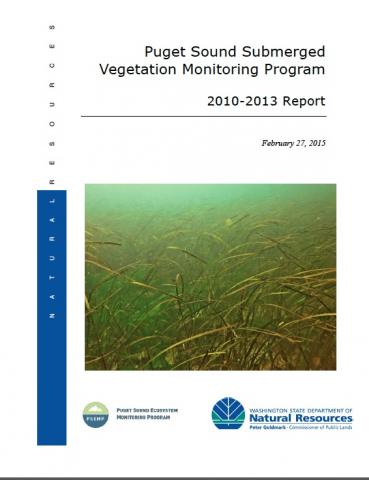
A 2015 report from the Washington State Department of Natural Resources summarizes the status and trends for native eelgrass and other seagrasses in Puget Sound from 2010-2013.

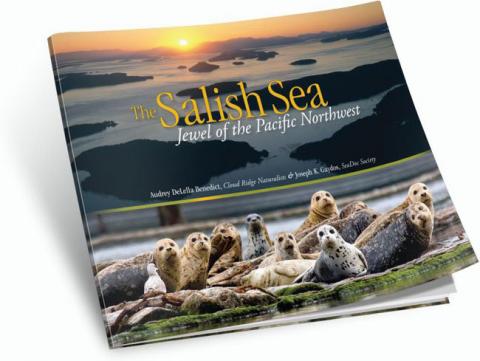
The Salish Sea: Jewel of the Pacific Northwest brings together more than 230 extraordinary images of the Salish Sea. But don't call it a coffee table book. Its lush photos are backed by a serious scientific perspective on this complex and fragile ecosystem.

This paper summarizes a 2014 report ranking the greatest human-caused threats to the Puget Sound ecosystem. 

The Puget Sound Ecosystem Monitoring Program (PSEMP), along with partners from the US EPA Columbia River Program and USGS Oregon Water Science Center, have developed a framework for prioritizing monitoring of Contaminants of Emerging Concern (CECs) in the Pacific Northwest.