Marine habitat

The Marine System encompasses all coastal areas not appreciably diluted by freshwater (surface salinities seldom falling below 30 ppt), including open coastal areas, straits, and euhaline inland waters.  It can extend from the outer edge of the continental shelf to (1) the landward limit of tidal inundation or wave splash or (2) the seaward limit of the Estuarine System.

Source:

Dethier, M.N. 1990. A marine and estuarine habitat classification system for Washington State. Natural Heritage Program, WA DNR, Olympia, WA. 60 pp.

Overview

Each year, the Puget Sound Ecosystem Monitoring Program releases the annual Puget Sound Marine Waters Overview report. The latest report combines a wealth of data from comprehensive monitoring programs and provides a concise summary of what was happening in Puget Sound’s marine waters during 2022. The report represents the collective effort of 84 contributors from federal, tribal, state, and local agencies, academia, nonprofits, and private and volunteer groups.

Image of a sailboat on the water at sunset.Text overlay reads: Puget Sound Marind Waters 2022 Overview.

Related Articles

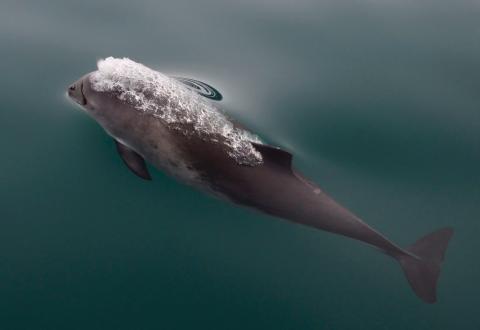
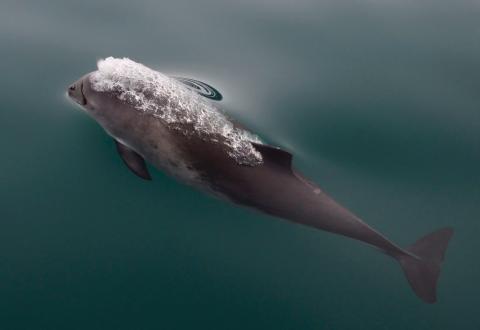
A study in the Journal of Comparative Physiology shows that muscle development necessary for diving can take several years to mature in harbor porpoises. Scientists argue that this may make immature harbor porpoises more vulnerable than adults to impacts from boat traffic or other disturbances. 

A 2015 paper presented to the International Whaling Commission compares the impacts of kayaks and powerboats on killer whale populations.

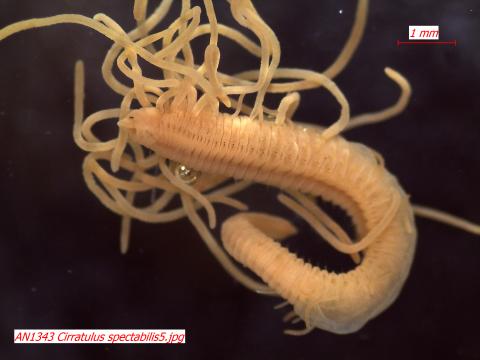
A 2014 Washington State Department of Ecology report provides a taxonomic guide for Puget Sound sediment-dwelling invertebrates (benthos). Surveys of these species are used to monitor the health of the foodweb, as well as levels of toxic contaminants in the seafloor.

A 2014 paper in Endangered Species Research suggests that harbour porpoises inhabiting coastal waters of southern British Columbia constitute a single genetic population, which should be reflected in management decisions.

A 2014 King County report projects the capital and maintenance costs of the stormwater treatment facilities that would be needed, within WRIA 9 and the Puget Sound region, to fully comply with the Clean Water Act. 

The region's famed mollusks provide more than just money and jobs. They offer what are called ecosystem services—a wide variety of benefits that humans derive from an ecosystem.