Marine habitat

The Marine System encompasses all coastal areas not appreciably diluted by freshwater (surface salinities seldom falling below 30 ppt), including open coastal areas, straits, and euhaline inland waters.  It can extend from the outer edge of the continental shelf to (1) the landward limit of tidal inundation or wave splash or (2) the seaward limit of the Estuarine System.

Source:

Dethier, M.N. 1990. A marine and estuarine habitat classification system for Washington State. Natural Heritage Program, WA DNR, Olympia, WA. 60 pp.

Overview

Each year, the Puget Sound Ecosystem Monitoring Program releases the annual Puget Sound Marine Waters Overview report. The latest report combines a wealth of data from comprehensive monitoring programs and provides a concise summary of what was happening in Puget Sound’s marine waters during 2022. The report represents the collective effort of 84 contributors from federal, tribal, state, and local agencies, academia, nonprofits, and private and volunteer groups.

Image of a sailboat on the water at sunset.Text overlay reads: Puget Sound Marind Waters 2022 Overview.

Related Articles

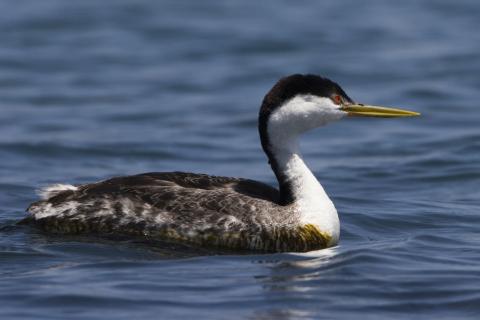
A June 19, 2013 paper in the journal PLoS ONE hypothesizes that regional declines in Western Grebe populations may be related to decreasing numbers of forage fish. Using citizen science data from 36 years of bird counts, researchers were able to look at population trends up and down the entire West Coast, finding that abundance of grebes decreased in the Salish Sea but increased in southern California. North American population declined by 52% overall.

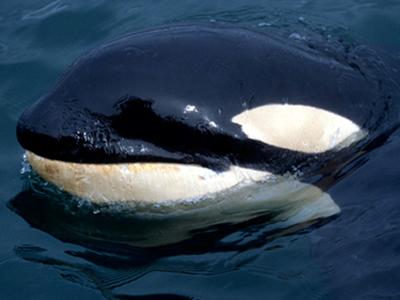
A new paper by Puget Sound area scientists from the SeaDoc Society and their collaborators represents the most complete summary to date of killer whale (Orcinus orca) strandings in the North Pacific. The authors analyzed stranding records dating back to 1925, obtained from scientists worldwide, finding that very few whales are stranded (an average of ten a year over the last twenty years). However, most of those strandings result in death. Only 12% of stranded whales survive.

Necropsy of stranded whales can provide important information about life history, health, genetics, and causes of death, but few of the stranded carcasses

Once a month, Washington State Department of Ecology marine scientists take to the air to obtain high-resolution aerial photo observations and gather water data at the agency's monitoring stations and via state ferry transects. This provides a visual picture of the health of Puget Sound, which they call Eyes Over Puget Sound or EOPS.

Sediment health in Central Puget Sound has shown a recent steep decline, according to a report by the Washington Department of Ecology. The report compares monitoring data over a ten-year period between 1998/1999 and 2008/2009.

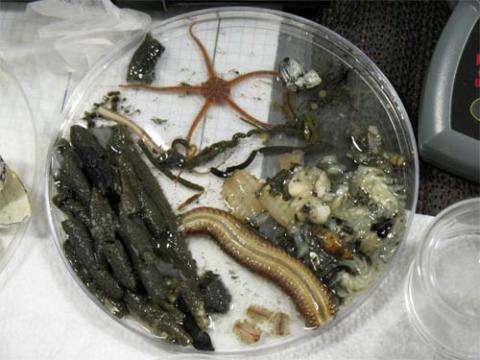
Researchers monitored populations of benthic invertebrates, sediment-dwelling organisms that depend on an environment free of pollutants, as part of the Puget Sound Ecosystem Monitoring Project (PSEMP). The report shows that adversely affected invertebrates were found across 28% of the region, compared with 7% ten years prior.

Sediment samples were also tested for 133 different potentially toxic chemicals. Samples revealed an overall increase in low-level toxicity

Vern Morgus remembers the early days of scuba diving in Puget Sound.

Seabird populations are declining worldwide. This paper looks at the impact of gillnets on bird populations.