Marine habitat

The Marine System encompasses all coastal areas not appreciably diluted by freshwater (surface salinities seldom falling below 30 ppt), including open coastal areas, straits, and euhaline inland waters.  It can extend from the outer edge of the continental shelf to (1) the landward limit of tidal inundation or wave splash or (2) the seaward limit of the Estuarine System.

Source:

Dethier, M.N. 1990. A marine and estuarine habitat classification system for Washington State. Natural Heritage Program, WA DNR, Olympia, WA. 60 pp.

Overview

Each year, the Puget Sound Ecosystem Monitoring Program releases the annual Puget Sound Marine Waters Overview report. The latest report combines a wealth of data from comprehensive monitoring programs and provides a concise summary of what was happening in Puget Sound’s marine waters during 2022. The report represents the collective effort of 84 contributors from federal, tribal, state, and local agencies, academia, nonprofits, and private and volunteer groups.

Image of a sailboat on the water at sunset.Text overlay reads: Puget Sound Marind Waters 2022 Overview.

Related Articles

This is the executive summary from a technical report produced for the Puget Sound Nearshore Partnership on Valued Ecosystem Components (VEC). The entire document is included as a PDF with this summary.

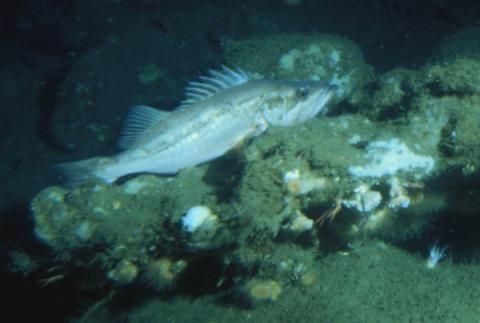
Canadian and U.S. governments differ on special status for bocaccio in the Salish Sea. 

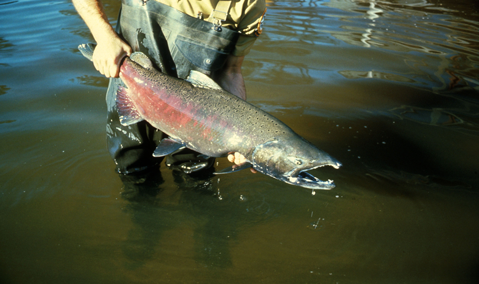
Download a November 2012 assessment of monitoring of viable salmonid population (VSP) criteria. 

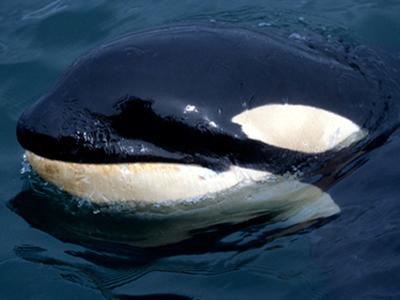
A recent report by an independent science panel reviewed data on the effects of salmon fisheries on Southern Resident Killer Whale populations. The report was released on November 30, 2012 and was commissioned by NOAA Fisheries and Oceans Canada.

Harbor seal numbers were severely reduced in Puget Sound during the first half of the twentieth century by a state-financed population control program. This bounty program ceased in 1960, and in 1972, harbor seals became protected under the federal Marine Mammal Protection Act and by Washington State.

More than 70 bird species regularly utilize Puget Sound during some or all stages of their life histories, but only a portion of these are actively being investigated.